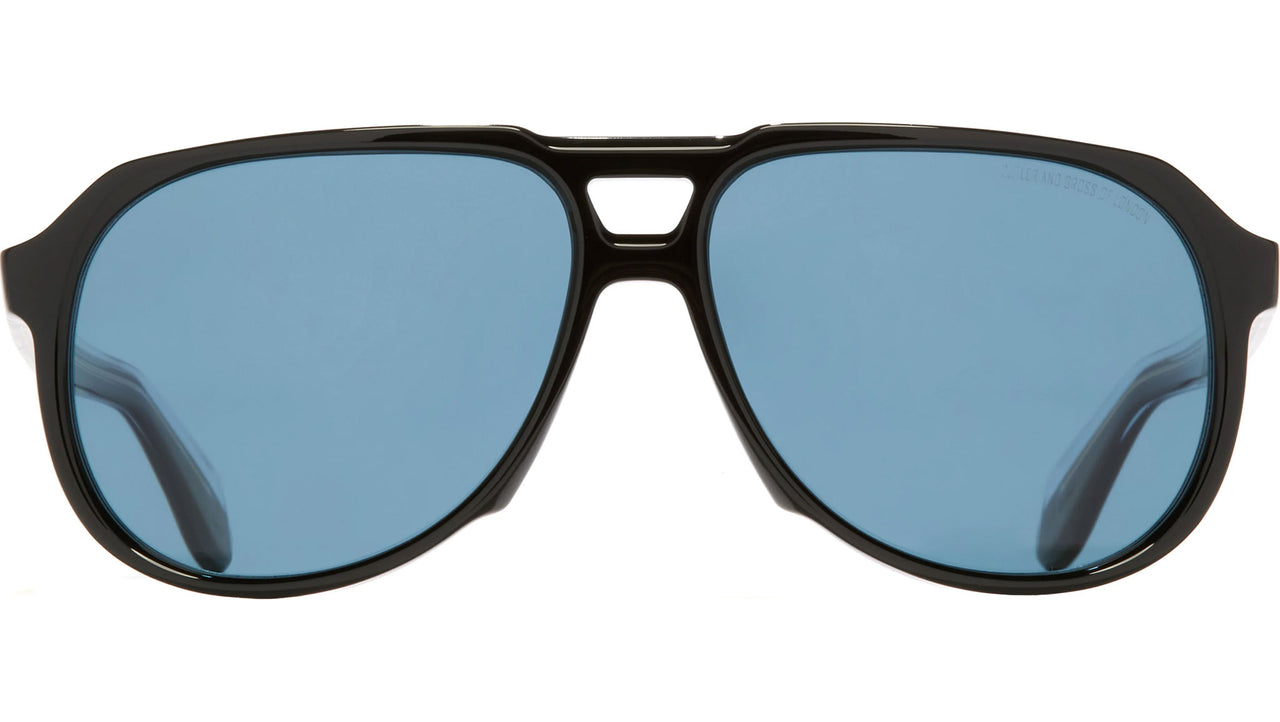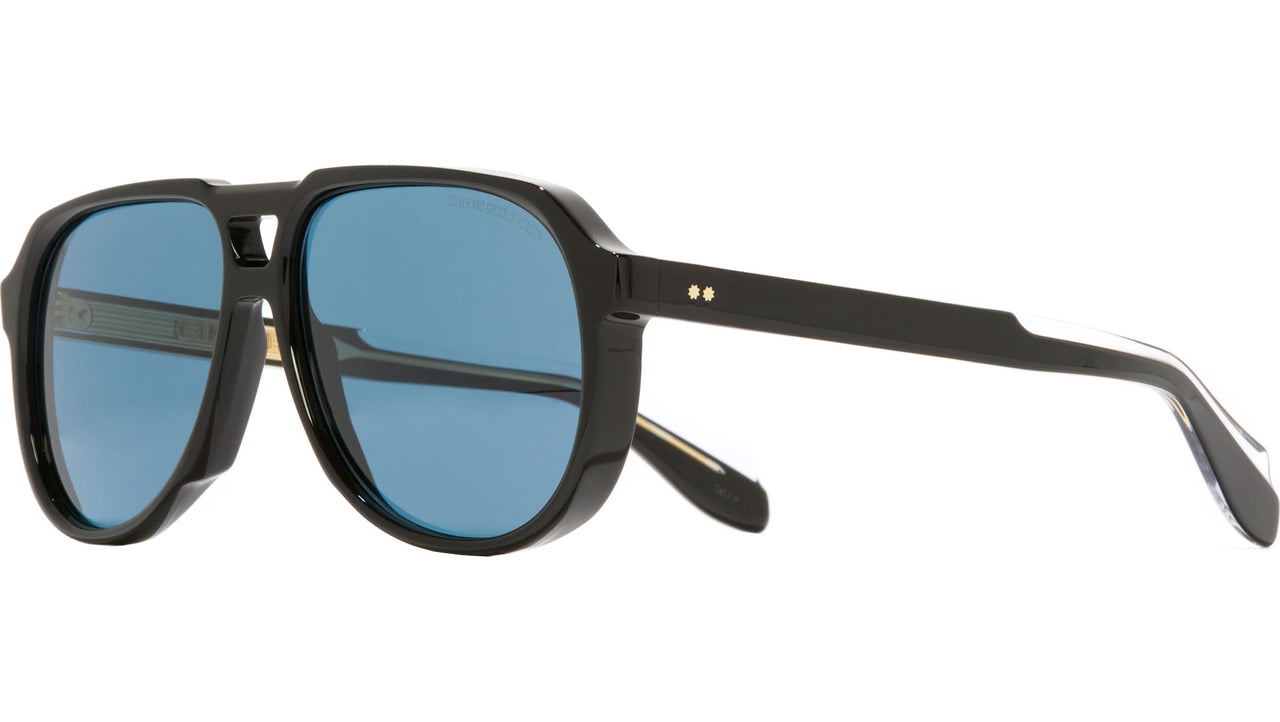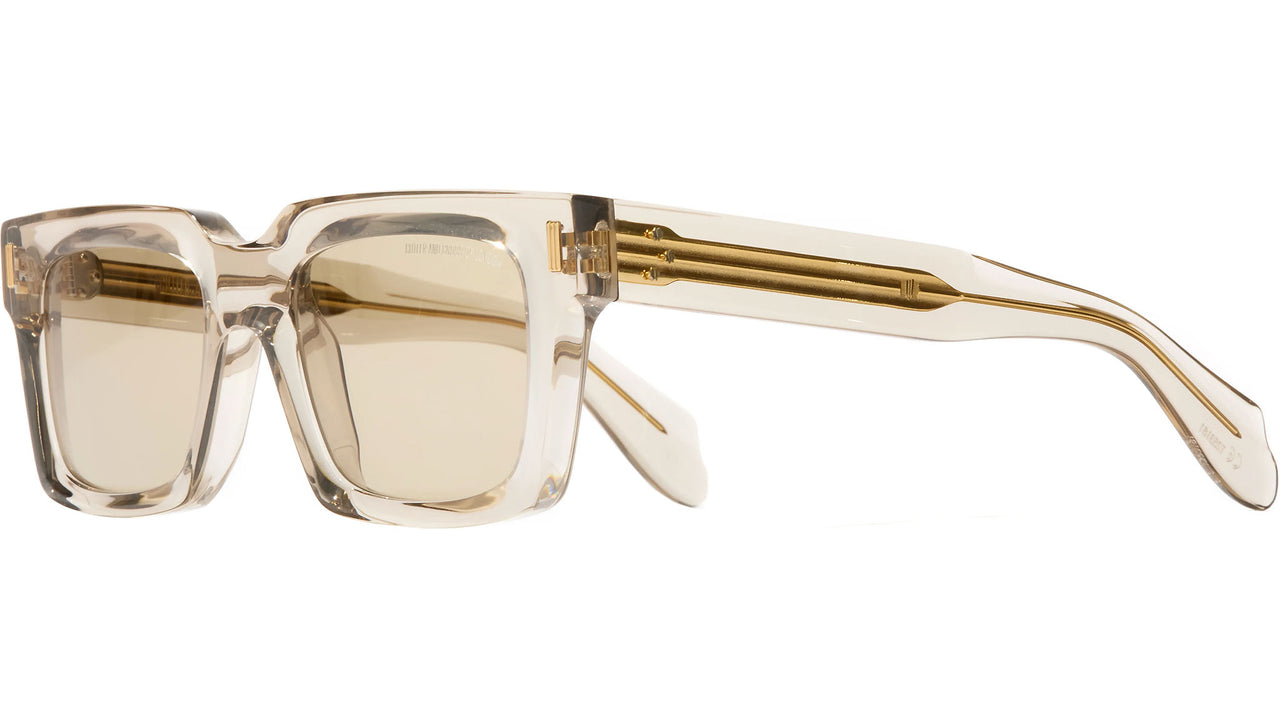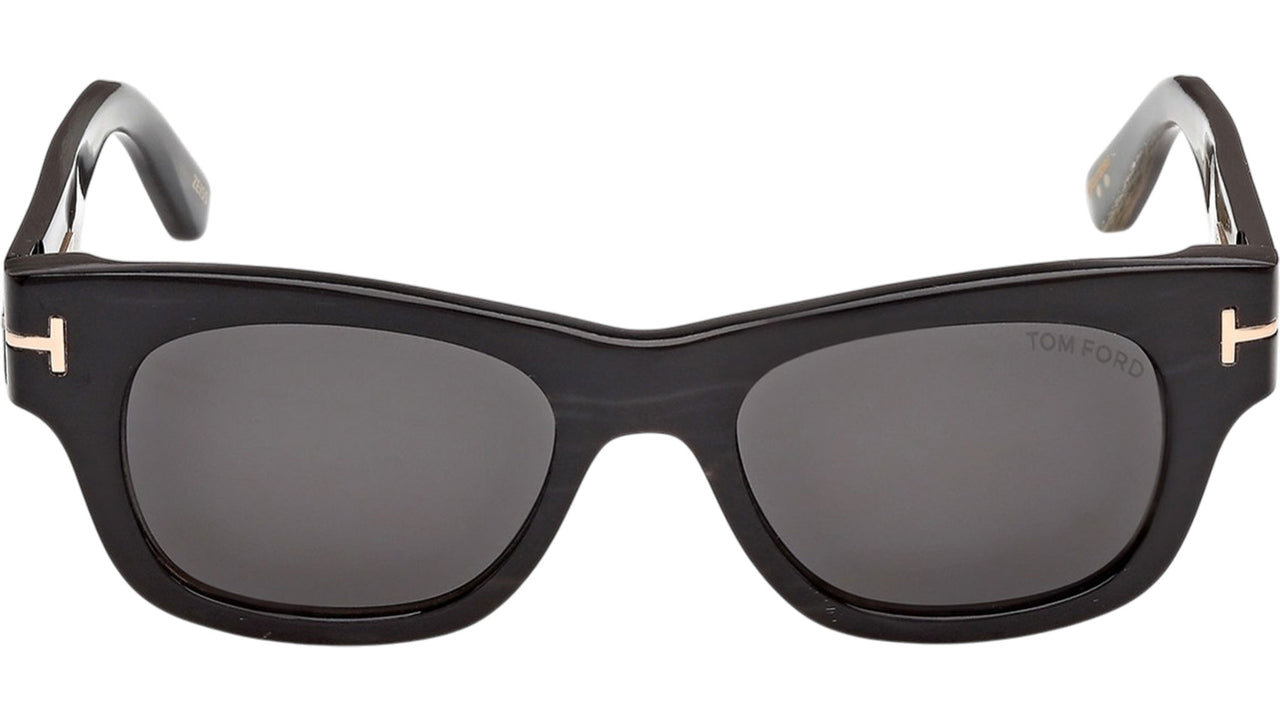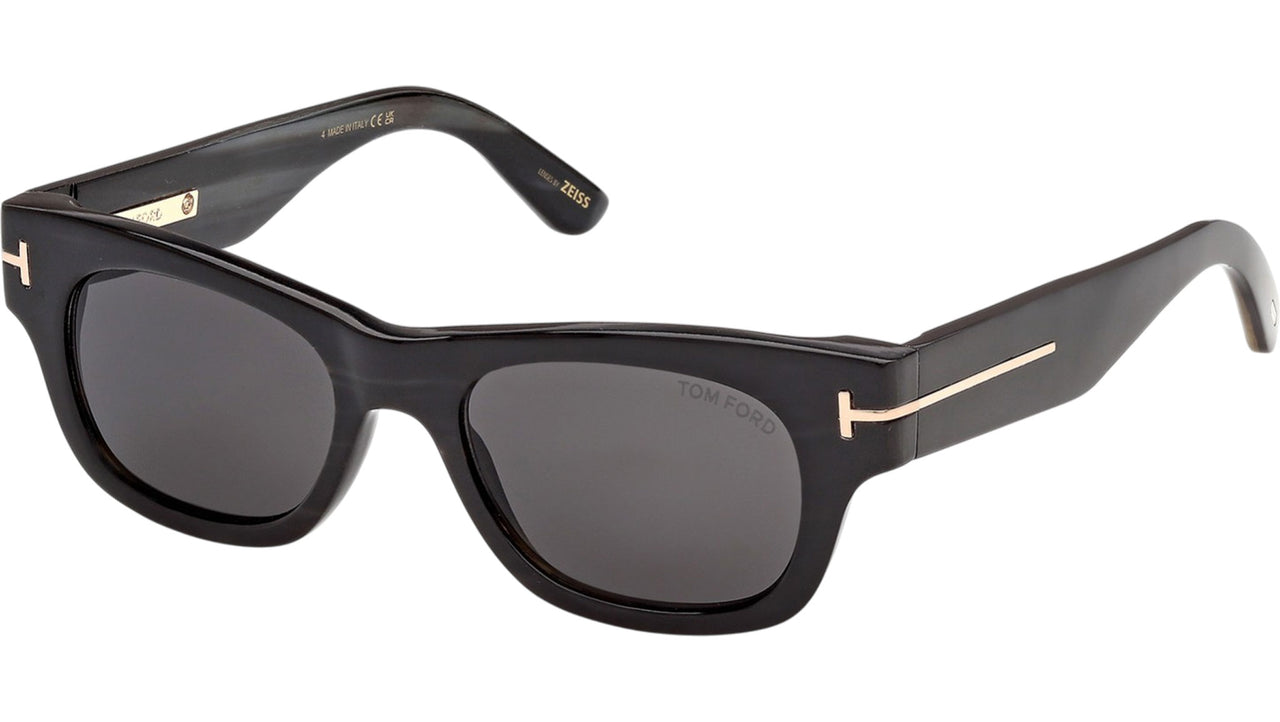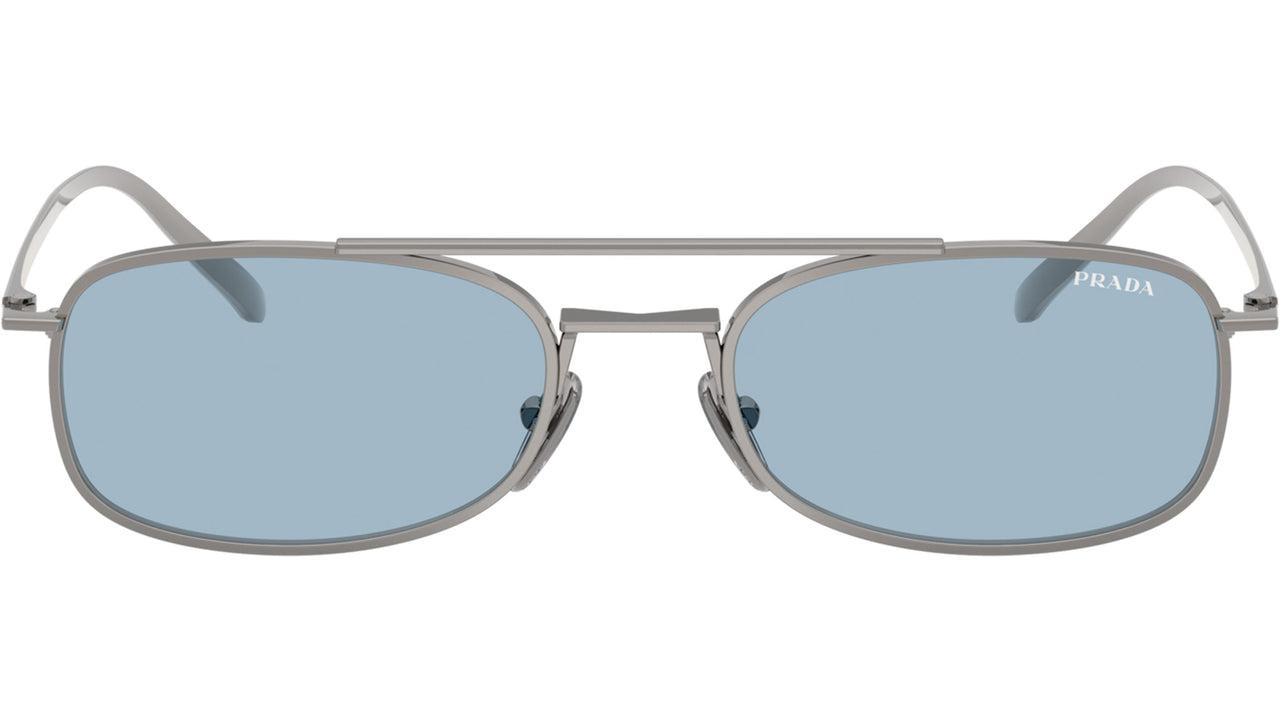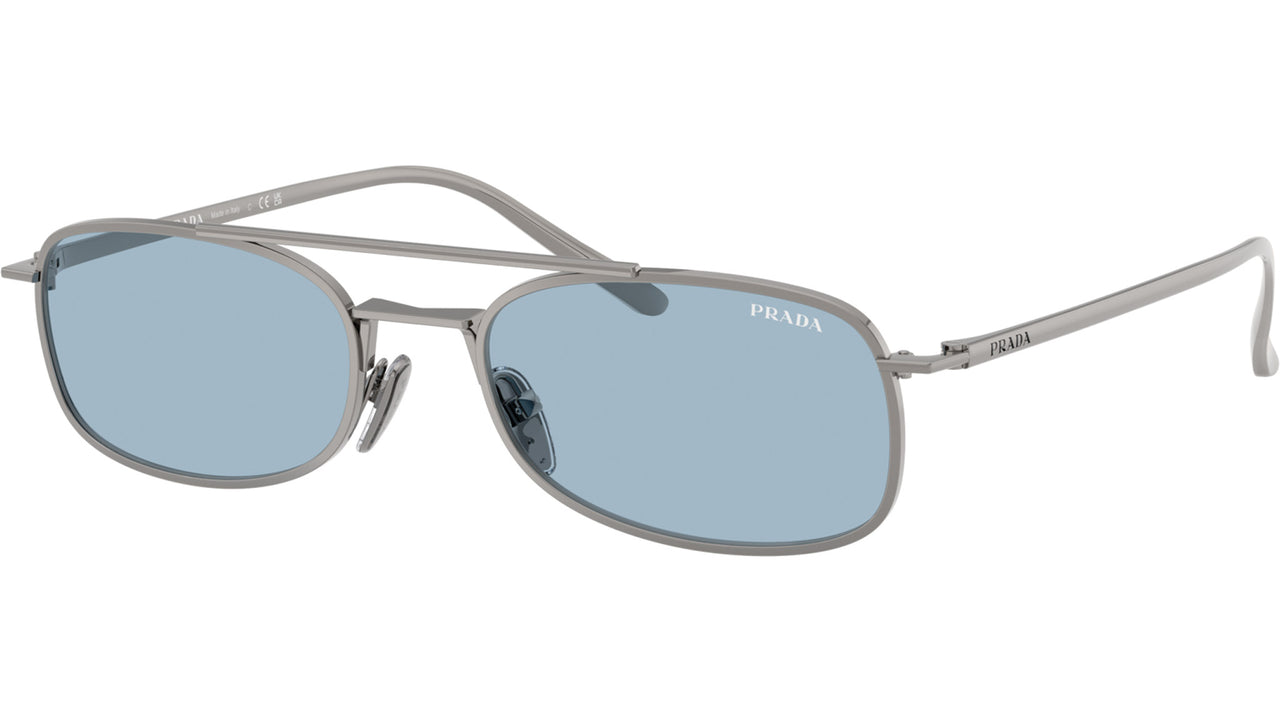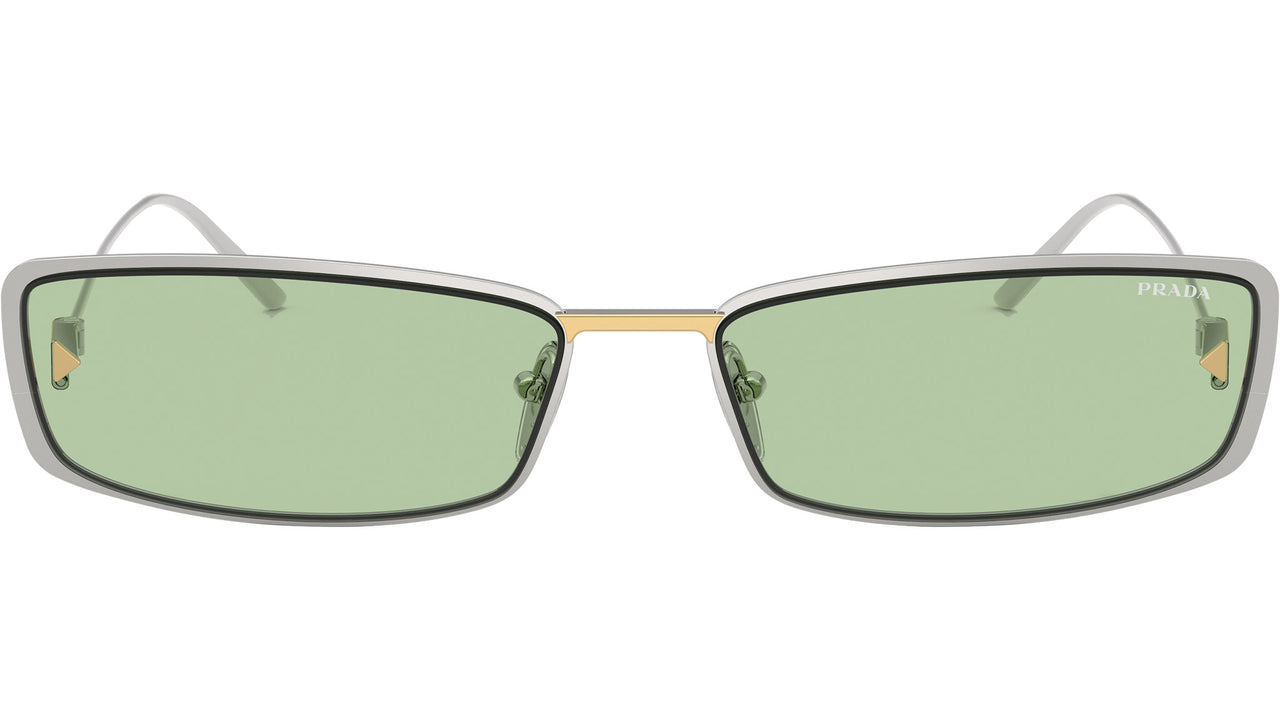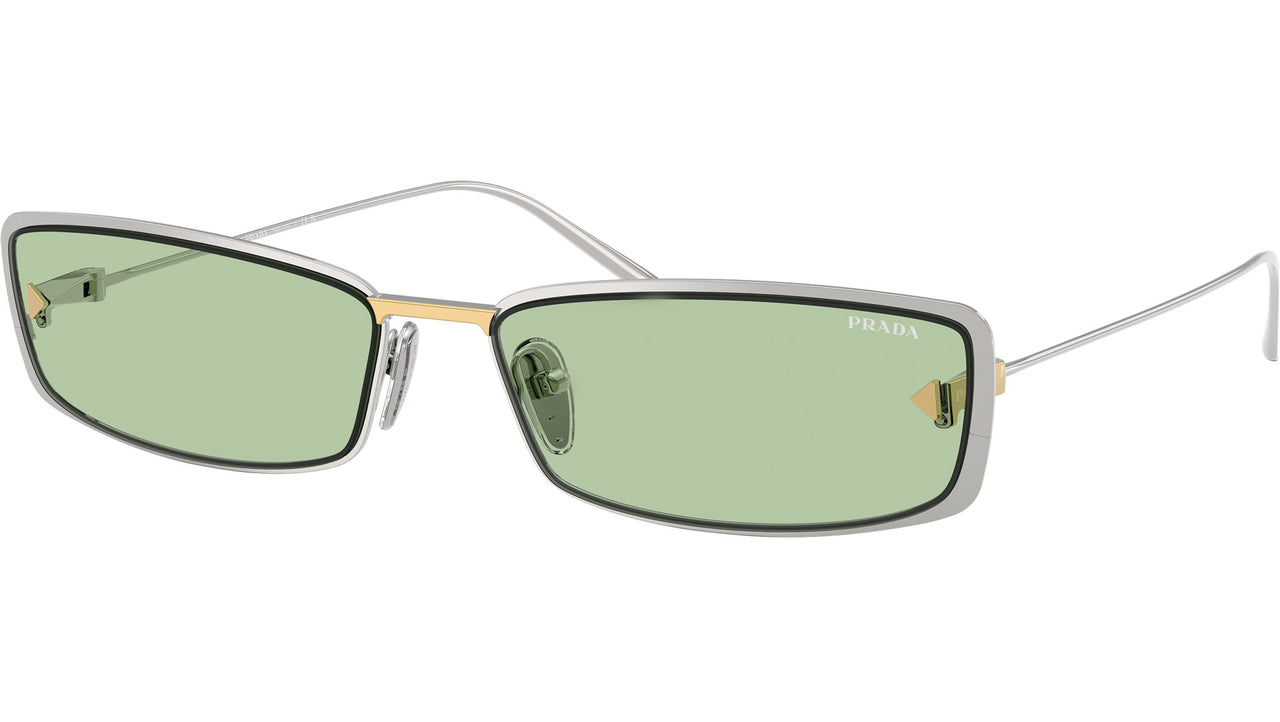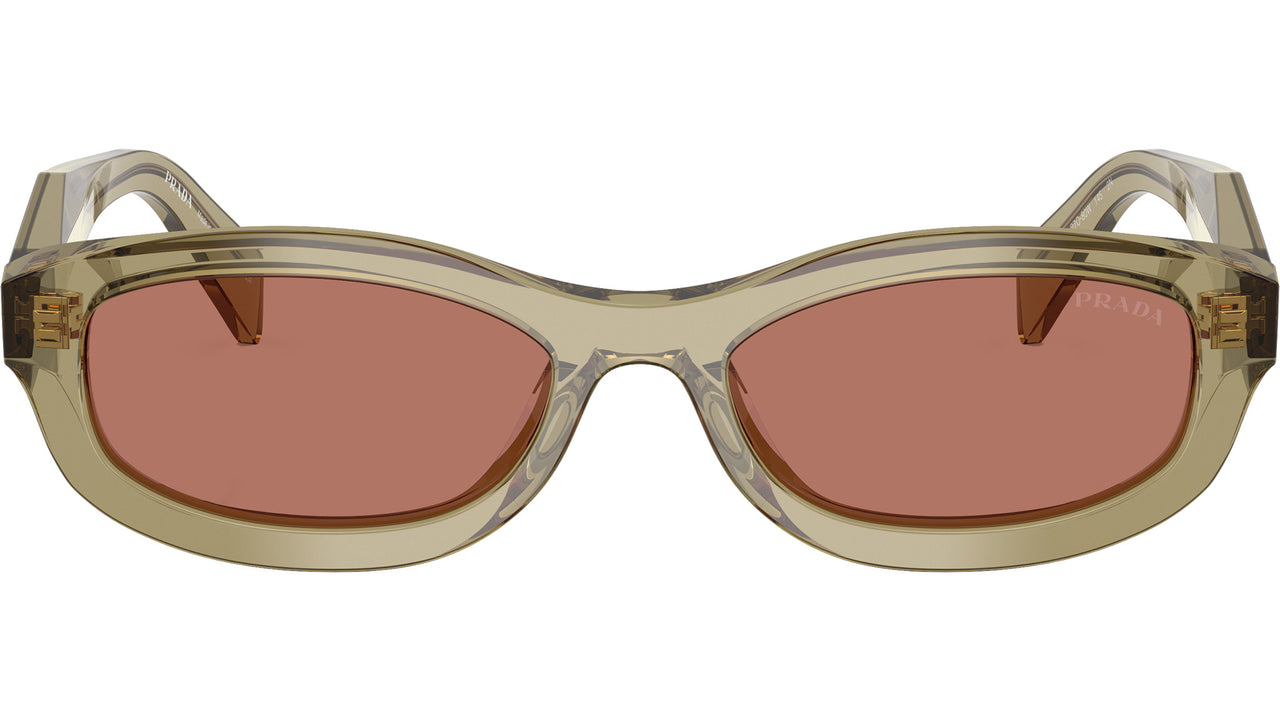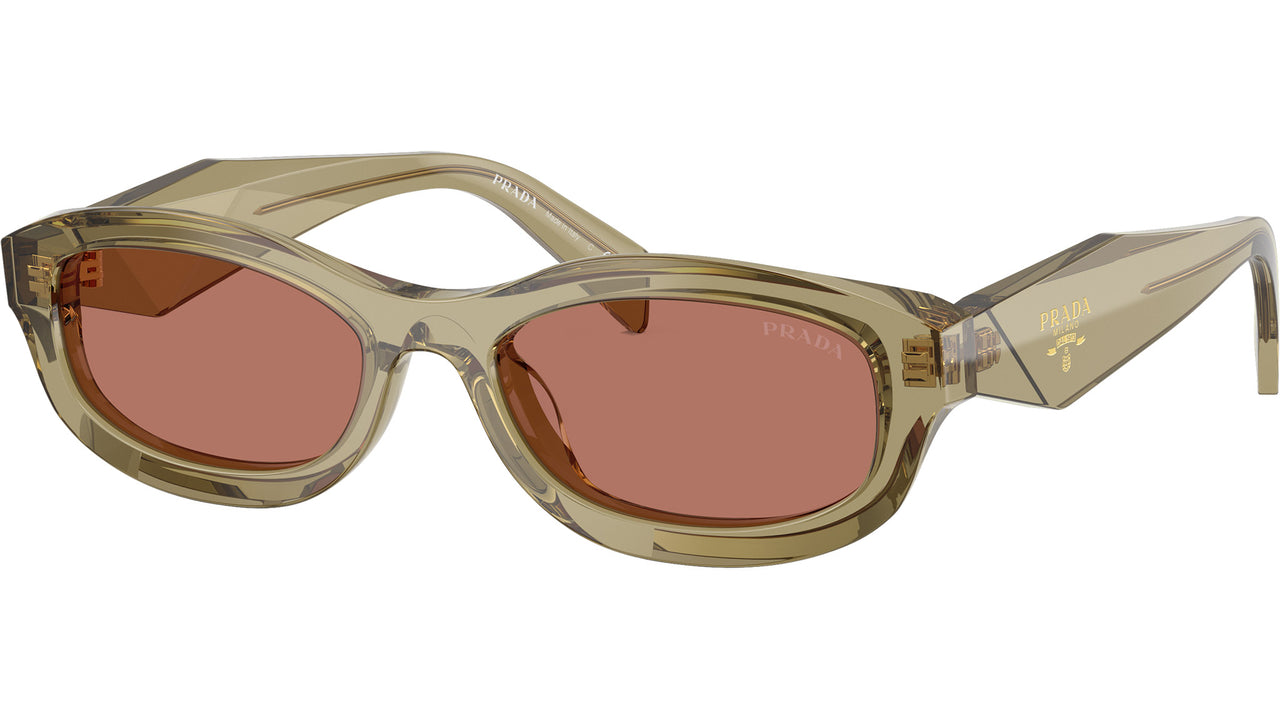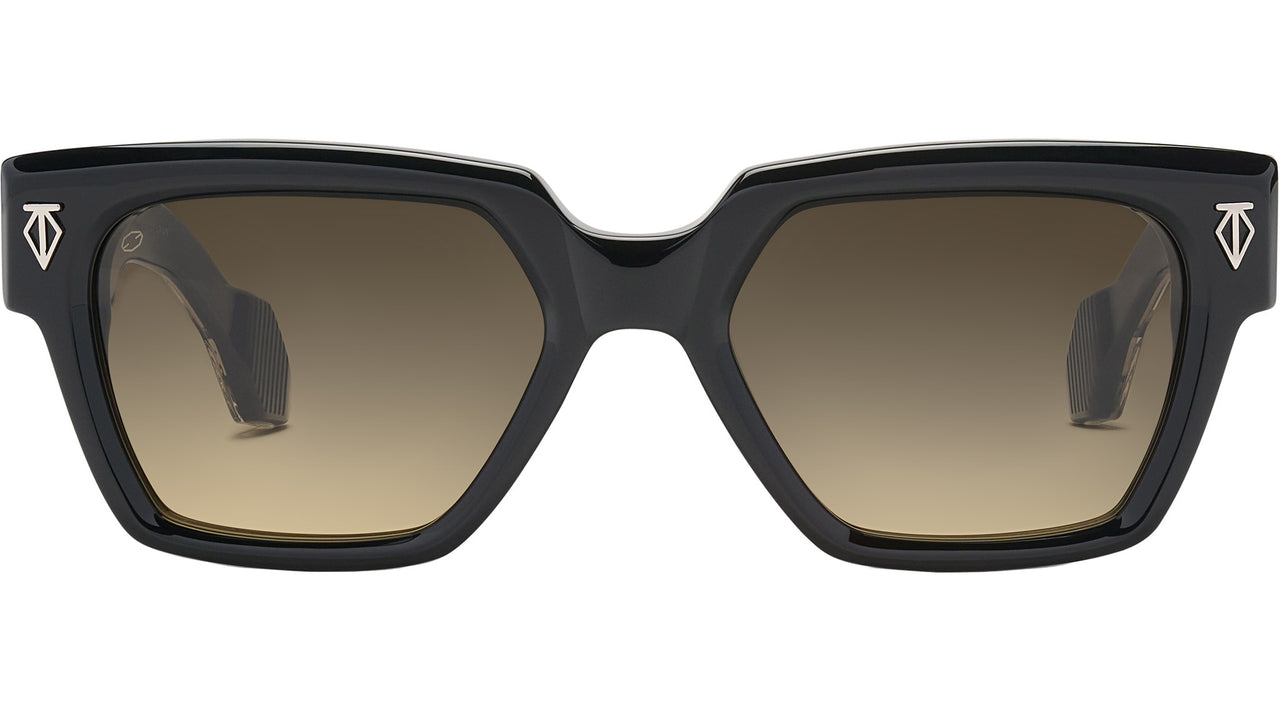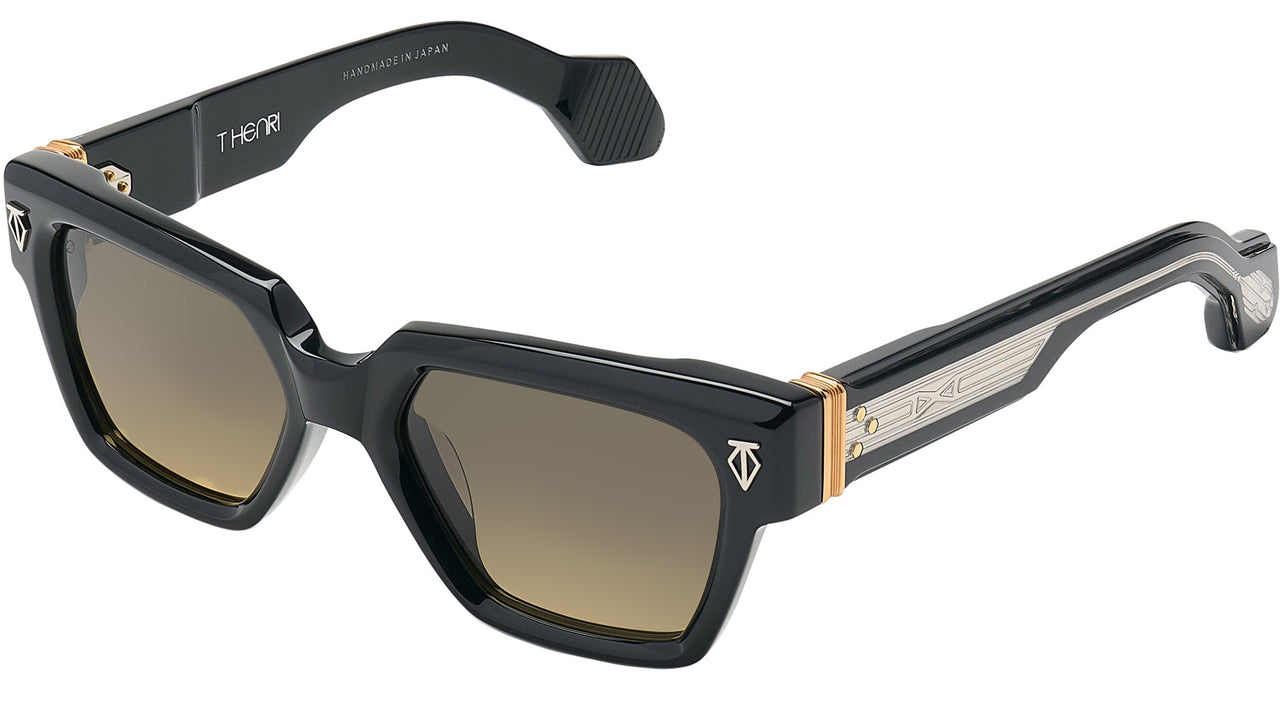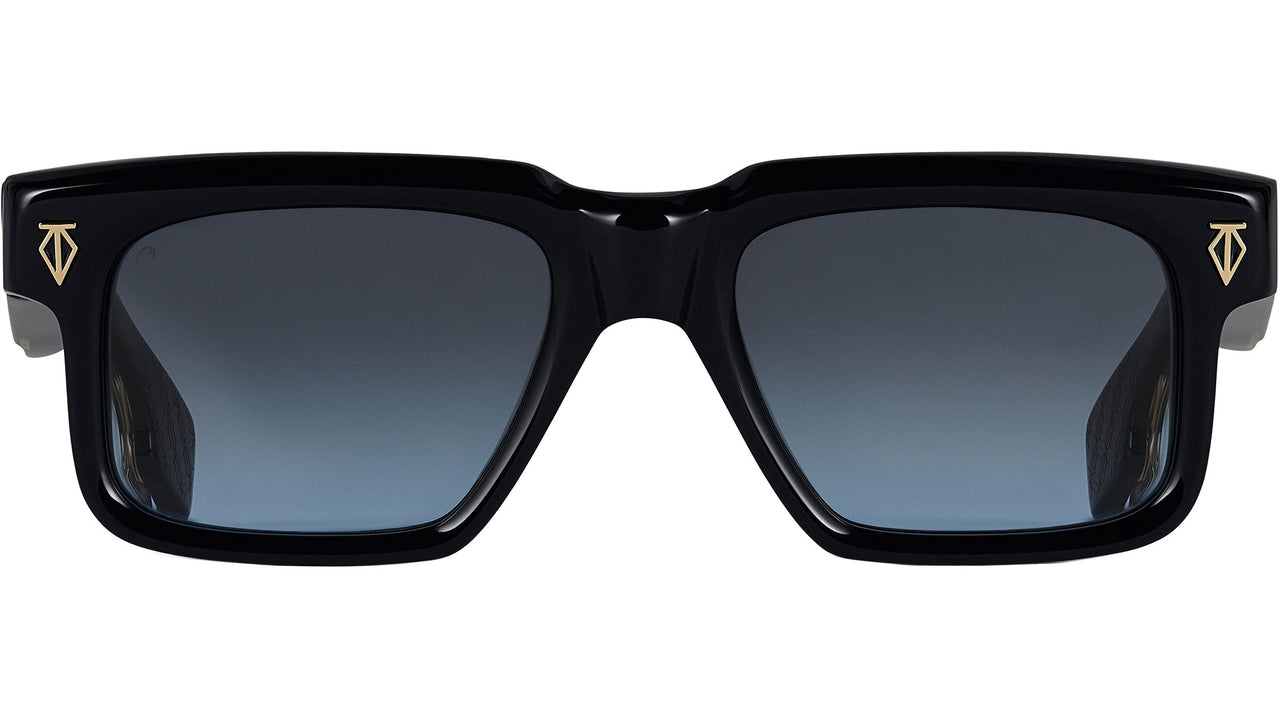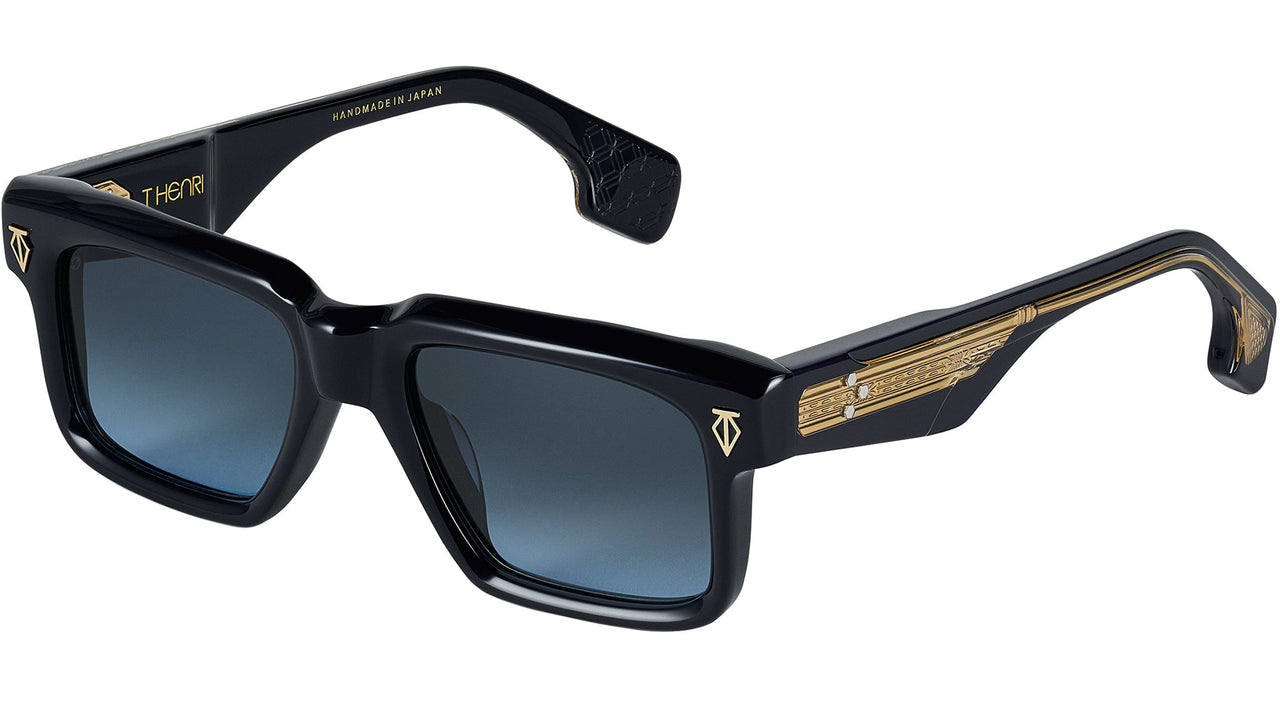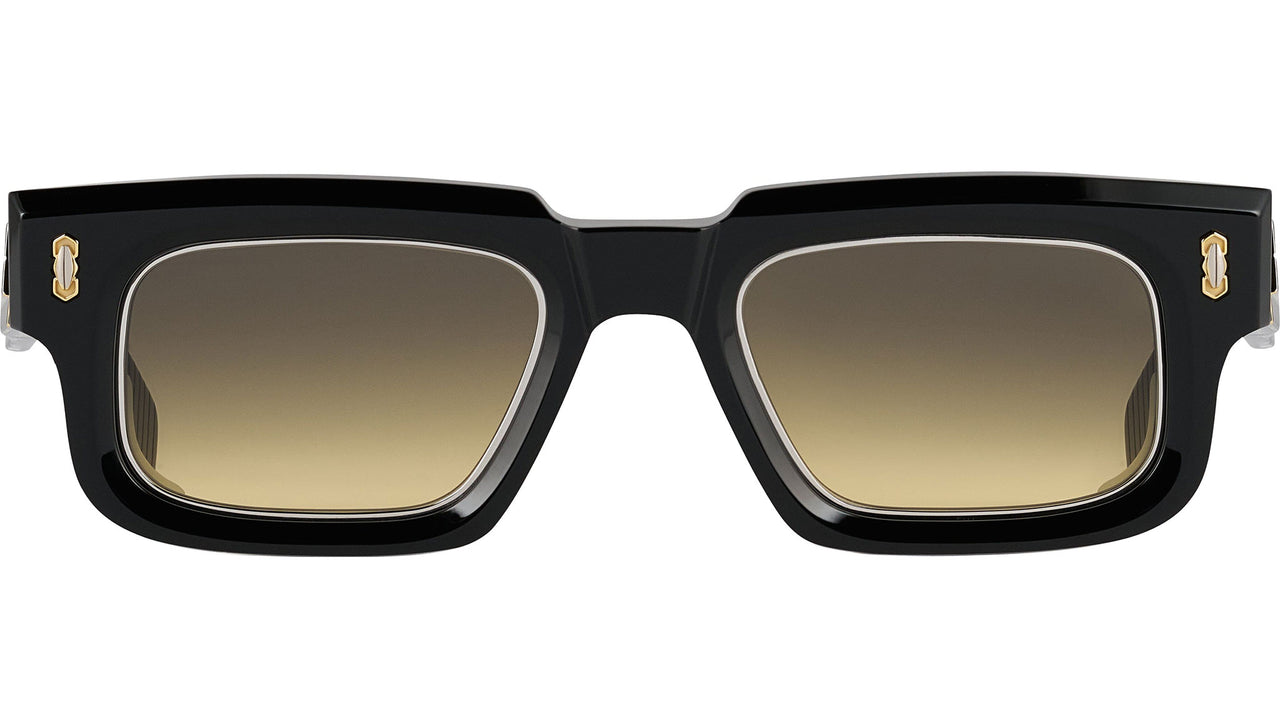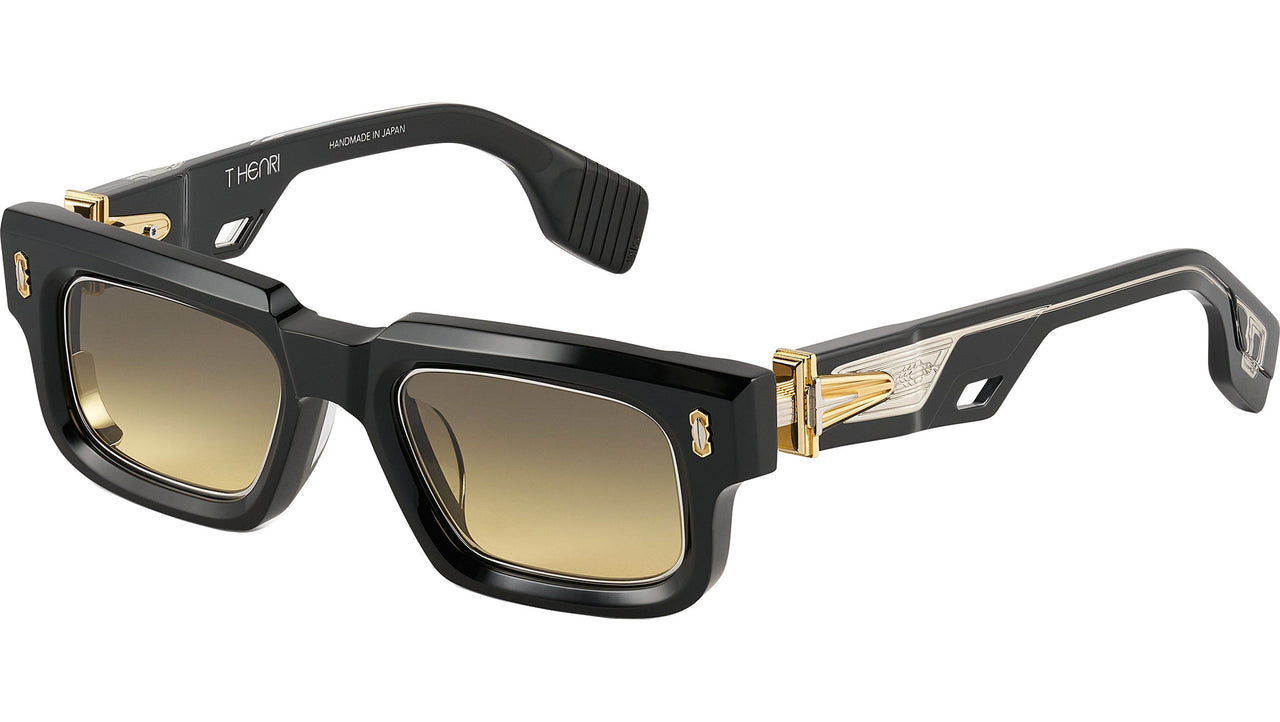

When looking at a finished pair of glasses, it is easy to focus on its shape, colour, proportions, or the way it sits on the face. Yet what truly distinguishes a luxury frame is often not immediately visible.
Behind a high-quality pair of glasses lies a process built on precise choices, carefully selected materials, complex craftsmanship and gestures that require experience. A journey in which time is not a limitation, but an essential part of the final result.
To understand the value of a frame, therefore, we need to look beyond what appears on the surface. We need to understand how it is made.
The Choice of Materials
In luxury eyewear, materials such as high-quality acetate, selected metals and carefully engineered components are chosen not only for their technical characteristics, but also for the way they respond to craftsmanship and finishing.
The quality of a material can be felt in its density, the depth of its colour, its transparency and its ability to retain its characteristics over time.
A better material does not simply mean a more expensive one. It means selecting a material capable of meeting the level of precision required by the design and allowing the craftsmanship to fully express the character of the frame.
It is the first step in a production process where every decision will ultimately influence the final result.
The Time Required for Production
The making of a frame can involve numerous stages: from the initial processing of the material to shaping, milling and polishing, through to assembly and final adjustment.
Each stage requires precision. And precision requires time. In some cases, the material must be worked gradually to achieve the correct shapes and thicknesses. Surfaces need to be prepared and refined repeatedly. Components must be assembled with extremely precise tolerances.
It is a process in which speed is not necessarily synonymous with efficiency. On the contrary, time allows craftsmen to refine, correct and perfect the smallest details, reaching a level of accuracy that a faster production process could hardly achieve.
In luxury, the time invested in an object becomes part of the object itself.
Handcrafted Finishing
A significant part of the quality perceived in a frame comes from its finishing: the polishing of surfaces, the definition of edges, the precision of angles, the alignment of components and the attention paid to every detail.
These are processes that require experience and, often, a highly trained hand. The craftsman's work refines what machines have begun, bringing the surface, shape and details to the desired level.
The result is not necessarily something immediately spectacular. Often, it is almost imperceptible: a surface that reflects light in exactly the right way, a perfectly even edge, a hinge offering just the right resistance, a frame that feels balanced from every angle.
It is in the sum of these details that a frame acquires its character.
Quality Control
Before it reaches the person who will wear it, every frame faces one final stage: inspection. Quality is not only about appearance. A frame must be checked for its structure, proportions, assembly and the performance of its components.
Symmetry, alignment, polishing, the movement of the temples and the precision of the finishing are all examined to ensure that the final result meets the required standards.
This is a fundamental step because even the smallest imperfection can affect the perception of an object built with such precision.
Quality control is, in this sense, the final expression of care before the frame leaves the place where it was made.
Why Two Apparently Similar Frames Can Have Completely Different Values
Perhaps this is the most difficult difference to understand. Two frames can have a similar shape, use seemingly comparable colours and, at first glance, appear almost identical. Yet their values can be very different.
The reason is that value does not lie solely in what the eye can see. It lies in the quality of the materials used, the complexity of the design, the number of manufacturing stages, the time dedicated to production, the amount of hand-finishing involved and the level of quality control applied to the finished product.
In other words, two objects may look similar while telling completely different stories of craftsmanship and production. This is the less visible side of luxury: everything that cannot be immediately seen, but can be perceived when you hold a frame in your hands, put it on and observe its details.
That is why choosing luxury eyewear also means choosing how it was made. Not simply a shape, a colour or a brand, but a material, a process, a measure of time and a culture of precision.