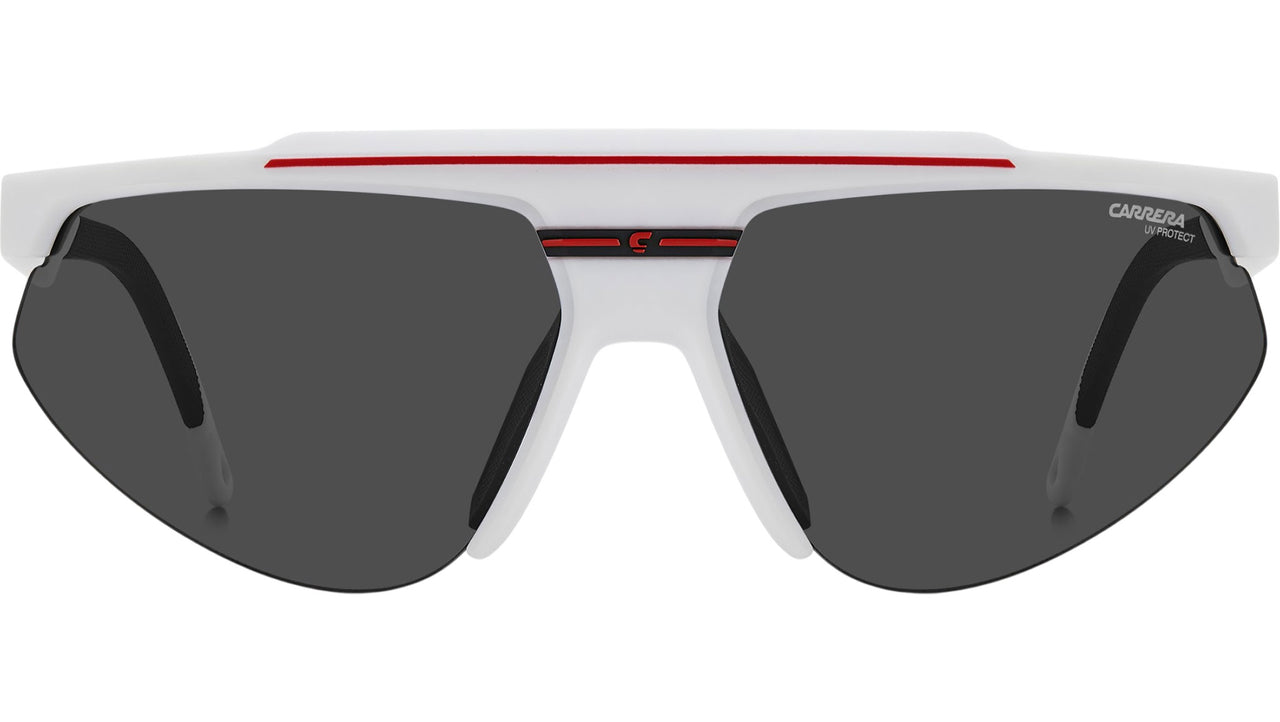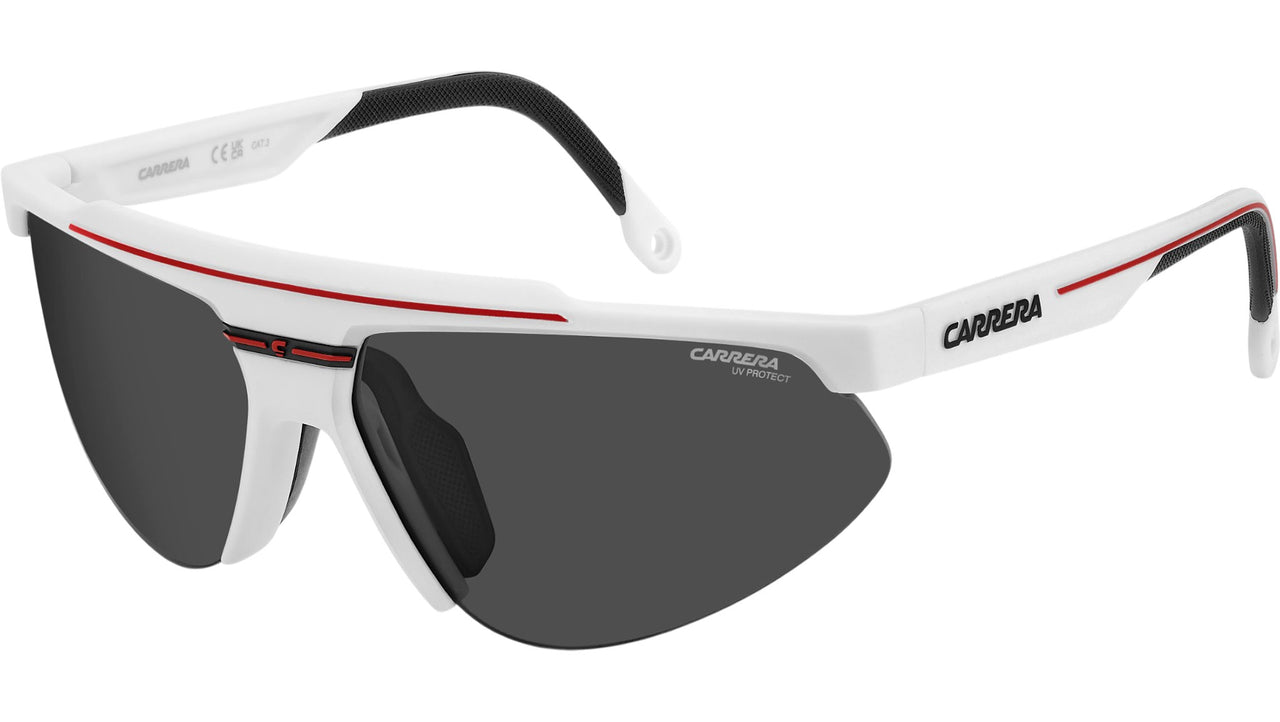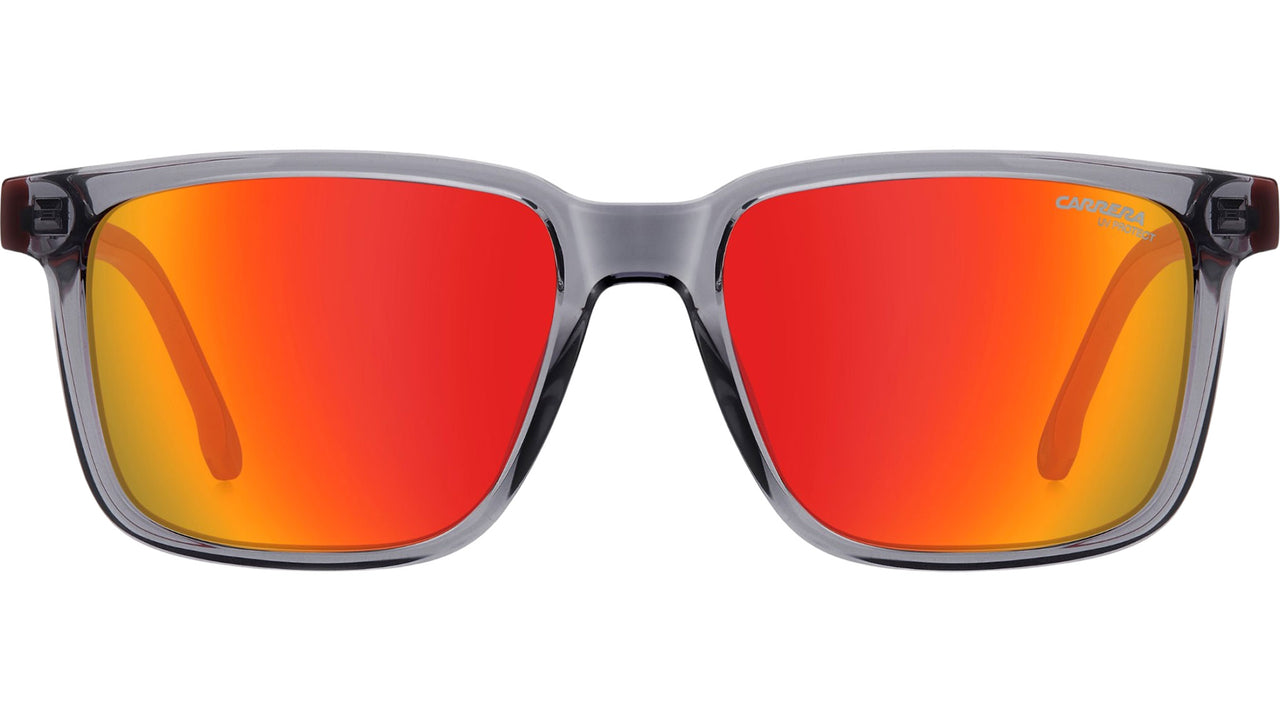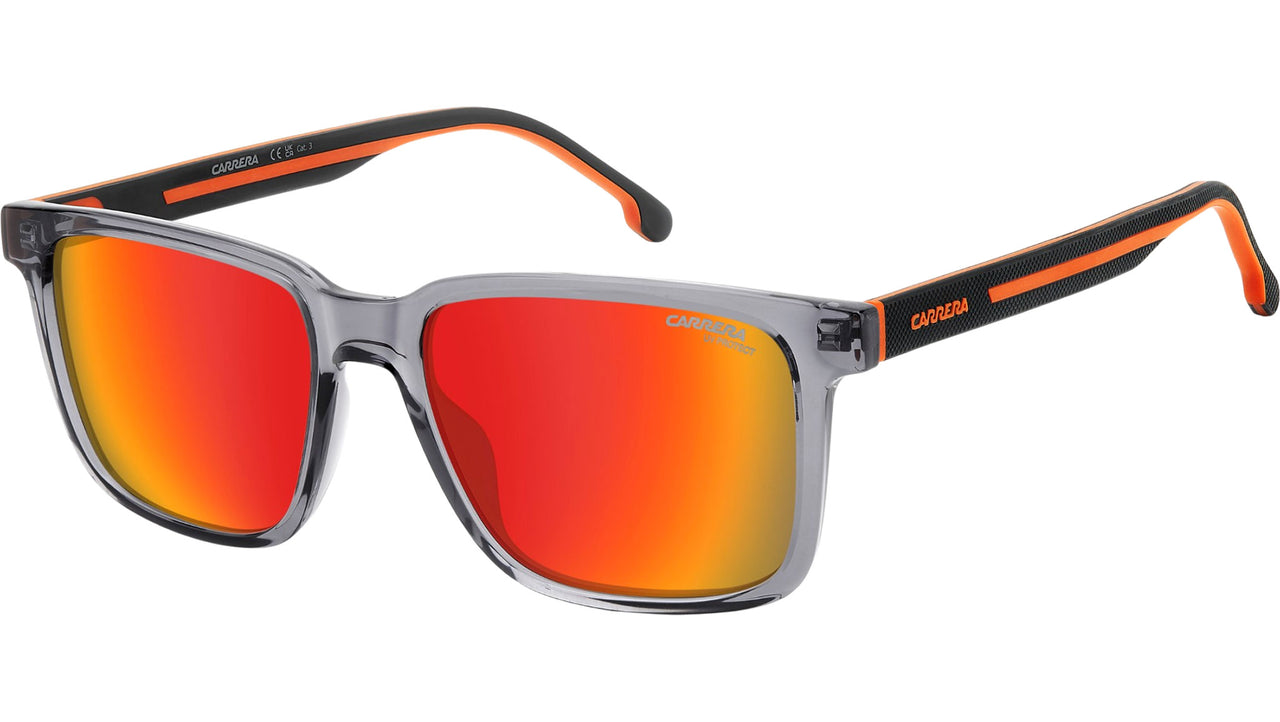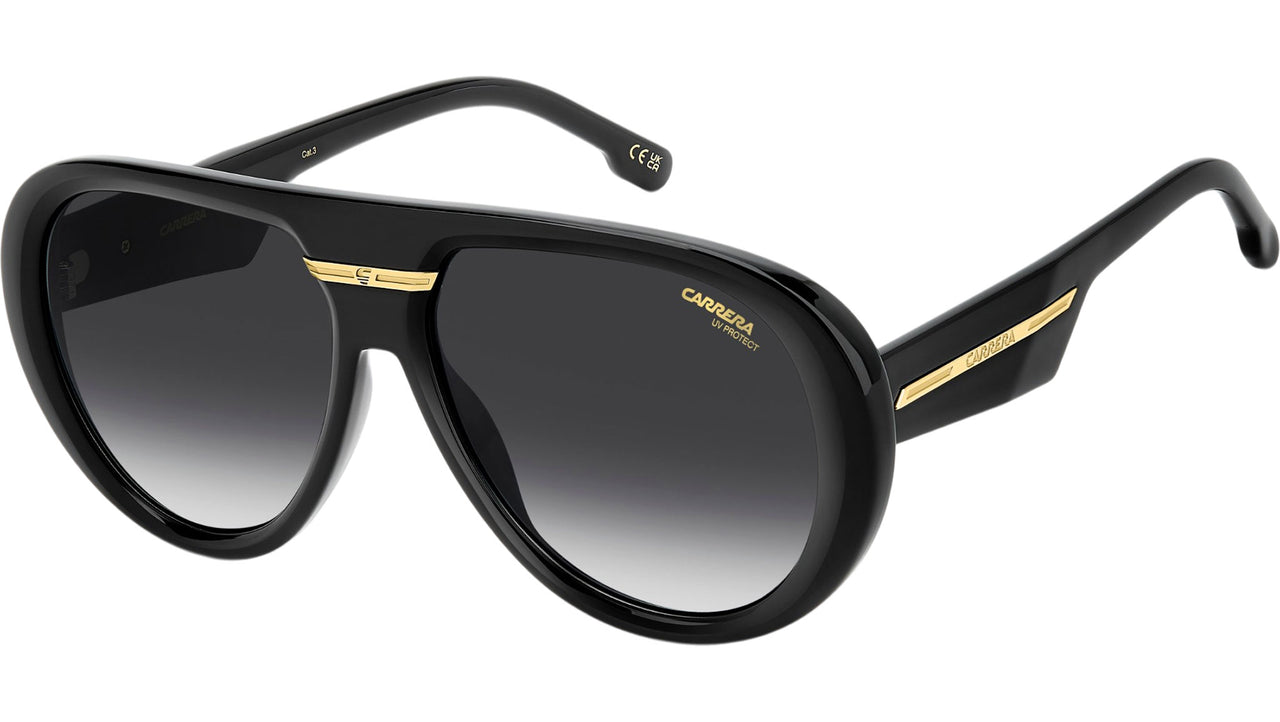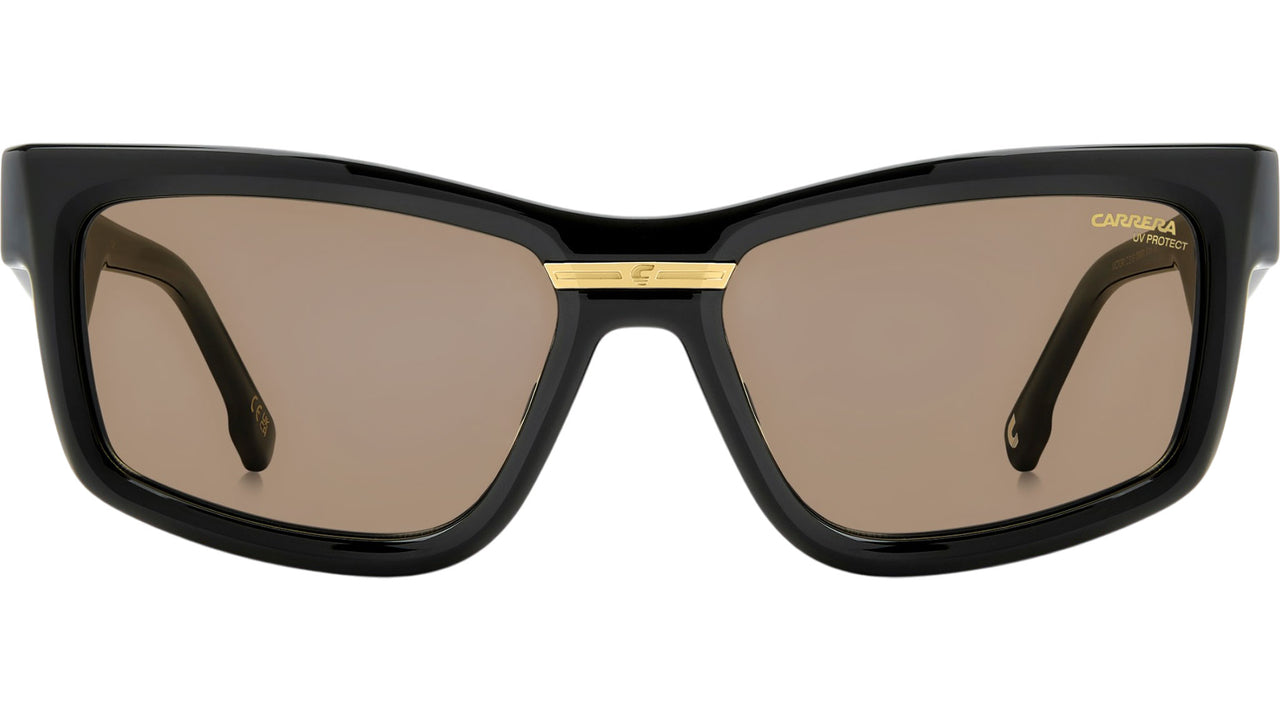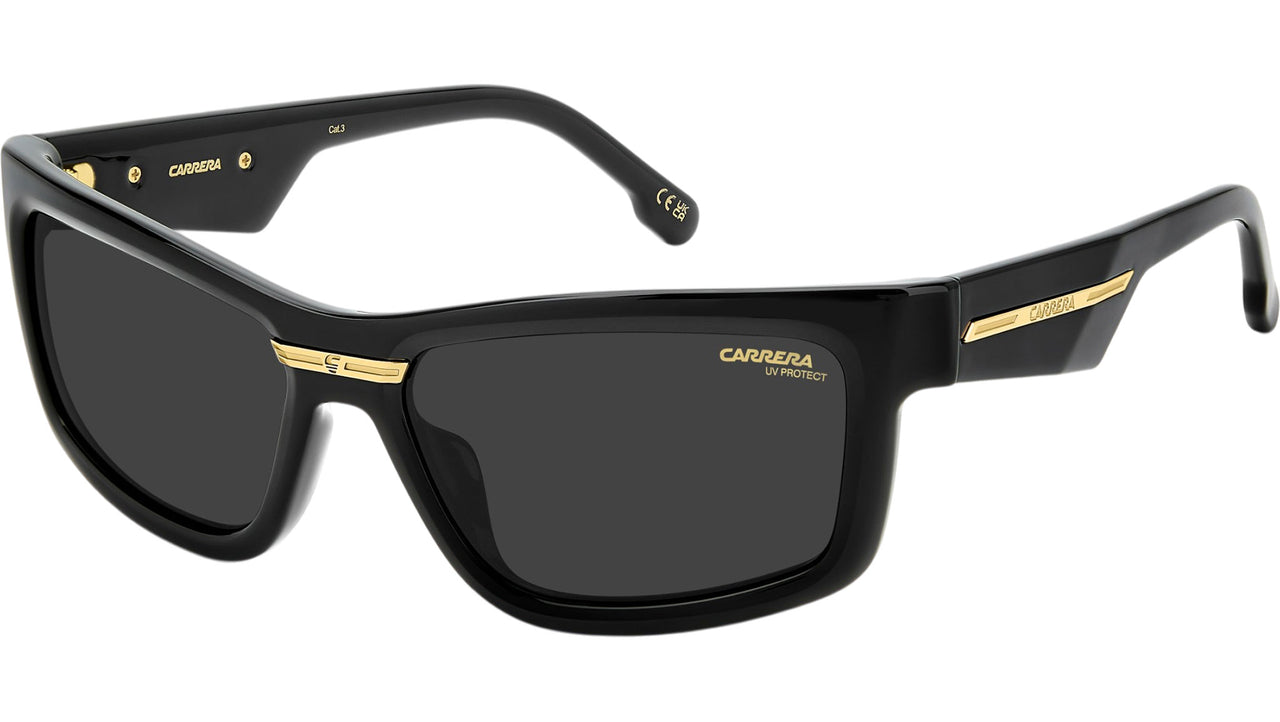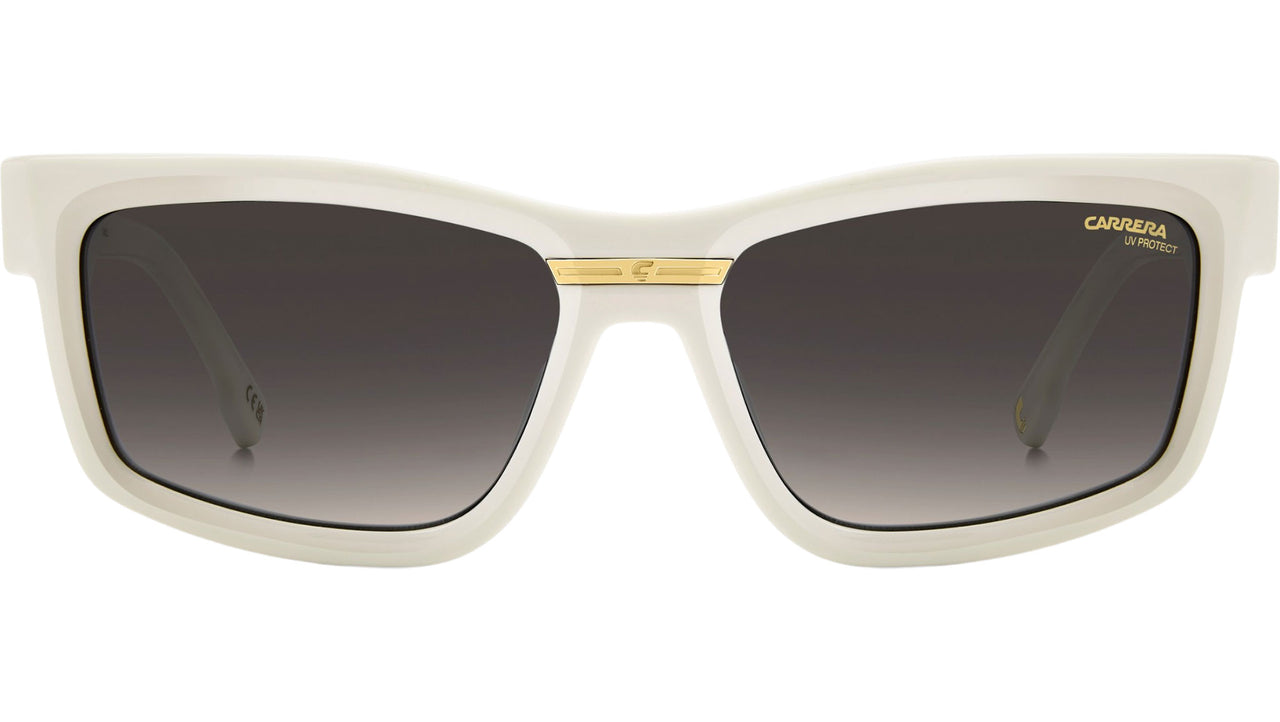

Some brands are born in an atelier. Others are born on the road. Carrera belongs to the second kind.
The year is 1956, in Austria. Wilhelm Anger, a pioneer of sports eyewear, renames his company after the Carrera Panamericana. It is an open-road race across Mexico, long considered one of the most dangerous in the world. Adrenaline, passion, the urge to push past the limit. These are still the traits you can recognise in every frame the brand makes.
In 1964 Anger patents Optyl, a heat-hardened plastic about 20% lighter than acetate. It reduces allergic reactions and has an elastic memory that adapts to the face. Then comes 1979 and the meeting with Ferdinand Alexander Porsche. Carrera Porsche Design is born, with interchangeable lenses and folding frames.
The Eighties take the brand where the real racing happens. The America's Cup, the 1988 Winter Olympics, Formula 1. Cinema does the rest, with the sunglasses worn by Al Pacino in Scarface and Don Johnson in Miami Vice. In 1996 Carrera joins Safilo and settles in Padua.
A Recognisable Language
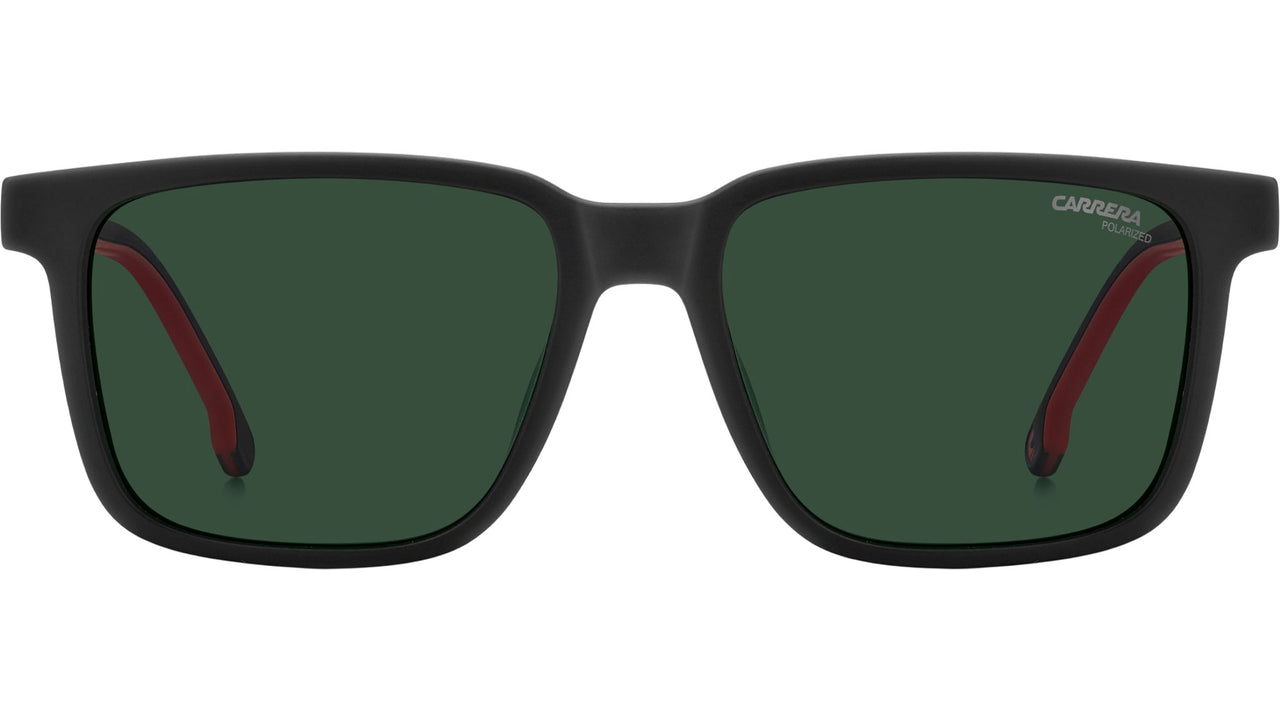
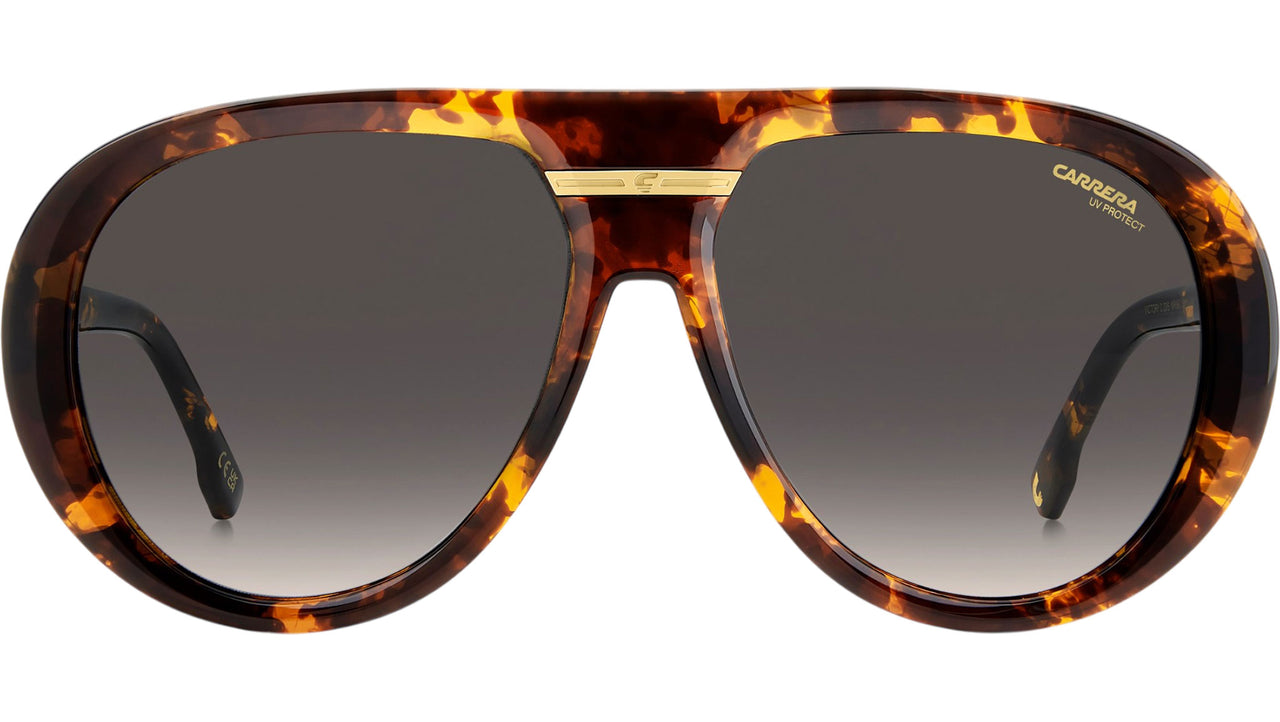
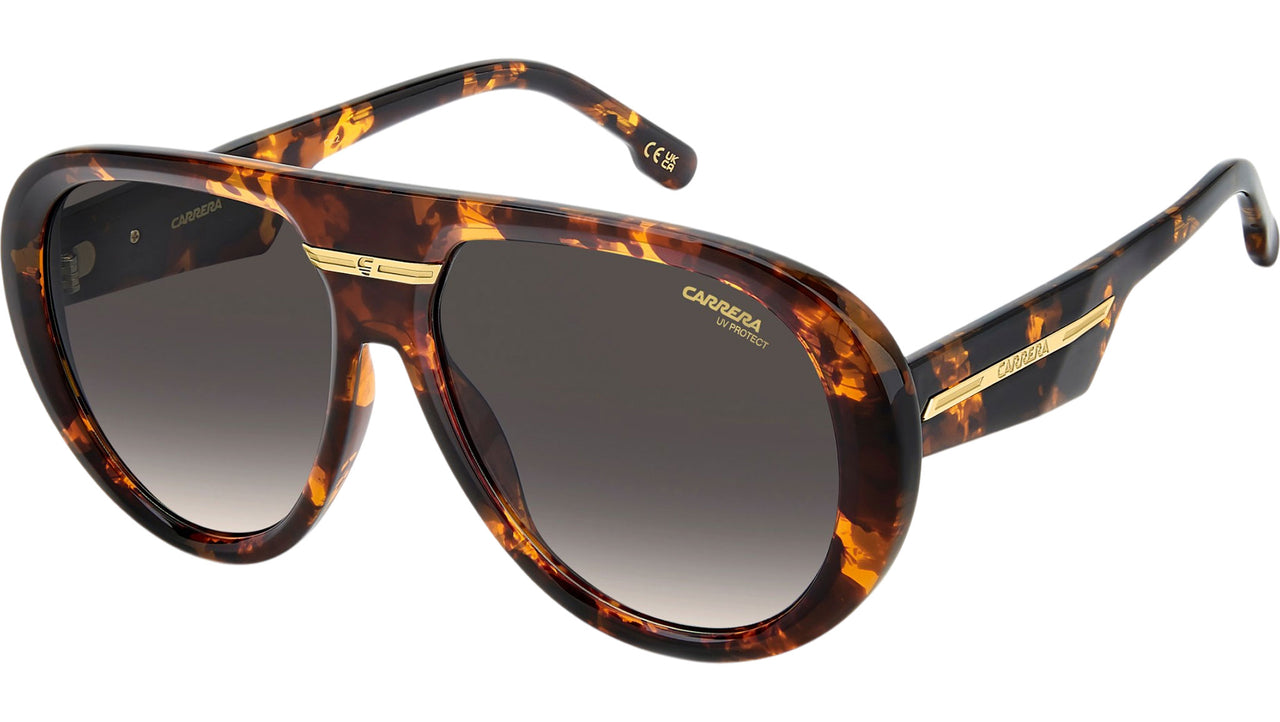
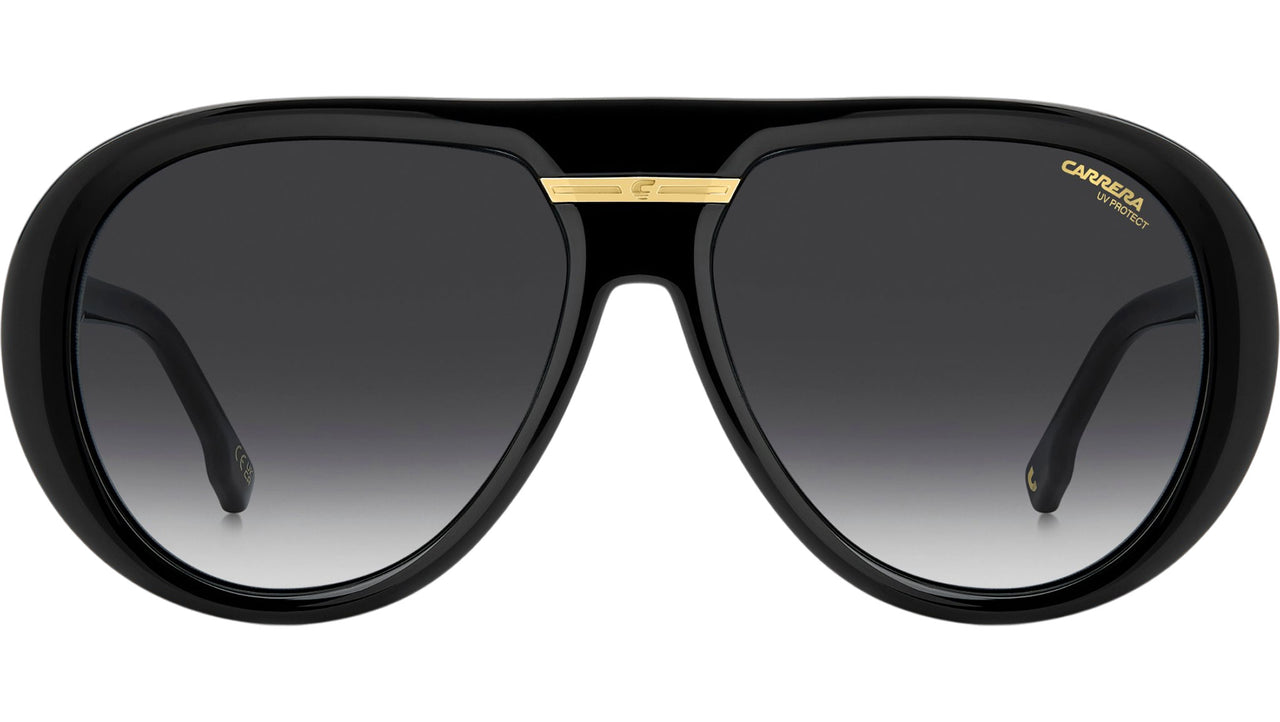
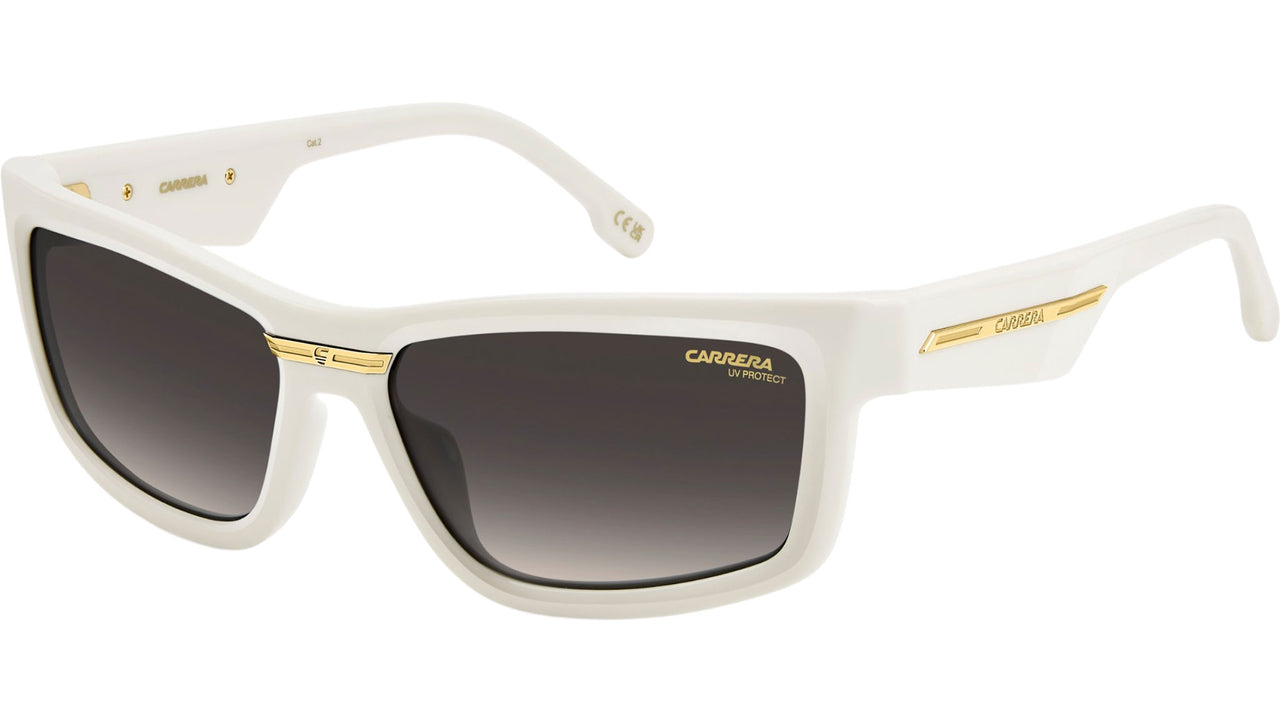
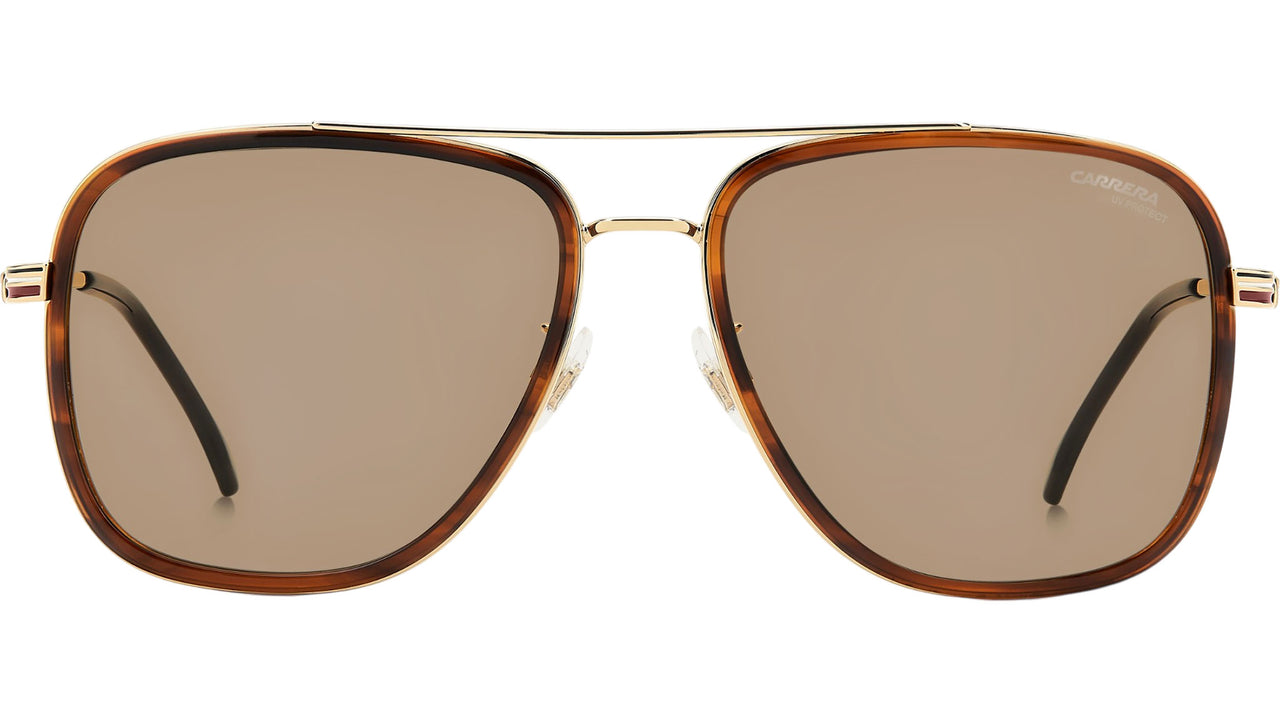
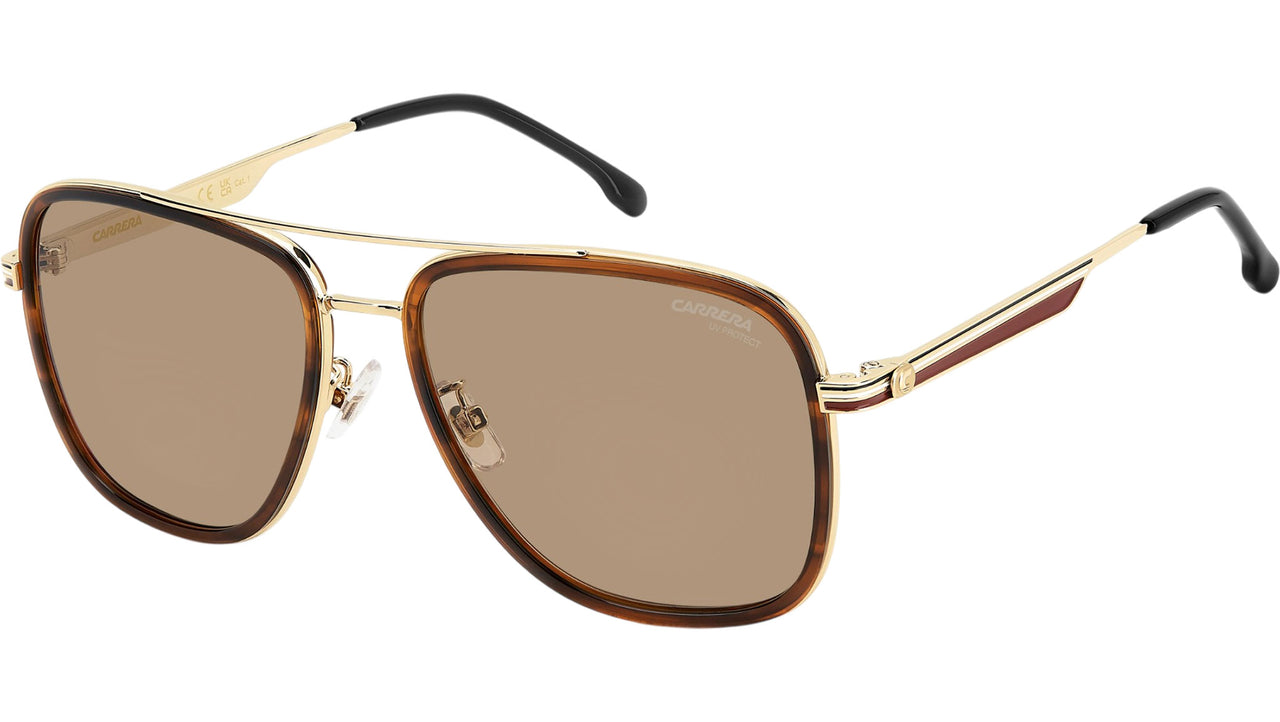
It takes very little to know you are looking at a Carrera. The historic colours, black and red, recall the stripes of the first Bullet ski helmet, a direct link to the brand's sporting origins. The C logo appears everywhere, embossed on the temples, enamelled on the bridge, set on the front in its Victory C version. It is not a discreet signature. It is a statement.
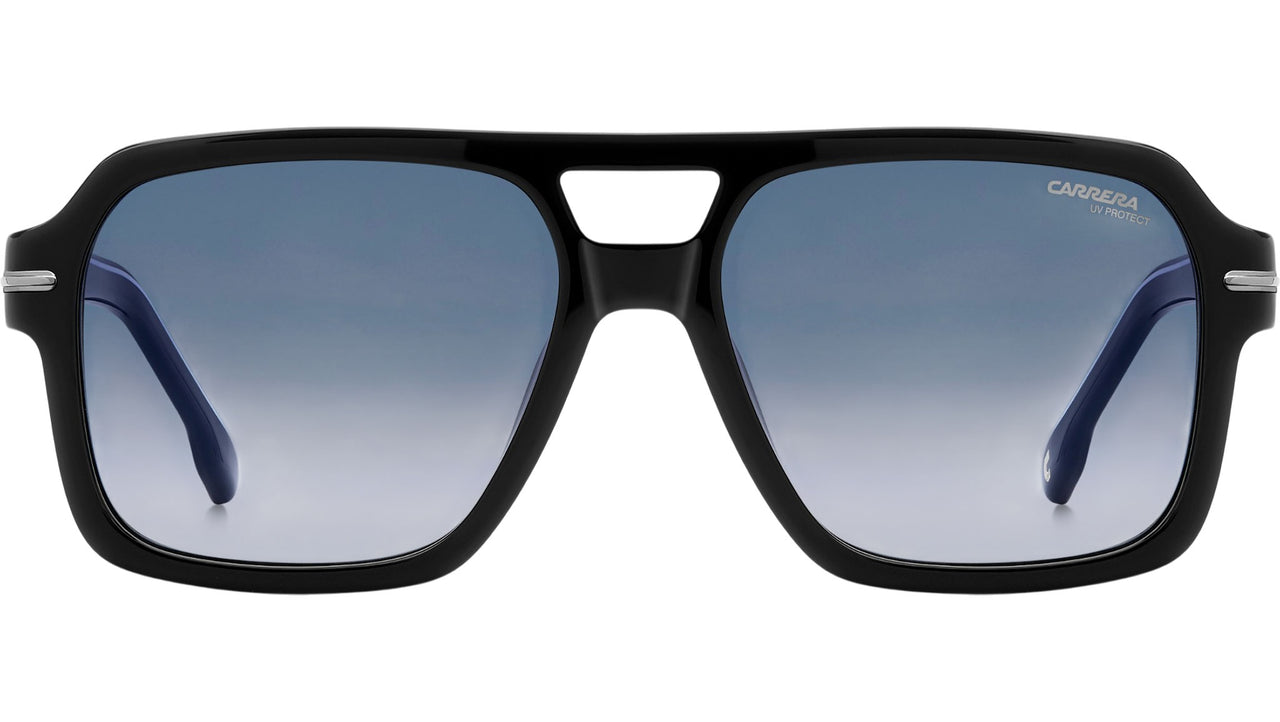
Then there are the construction details. The metal double bridge, which gives navigator and aviator models their unmistakable profile. The fork-shaped temples with long acetate tips. The visible screws, which become decoration as well as structure. And the enamelled Grand Prix temples, a tribute to an archive design the brand reinterprets season after season.
Sport Meets Italian Style
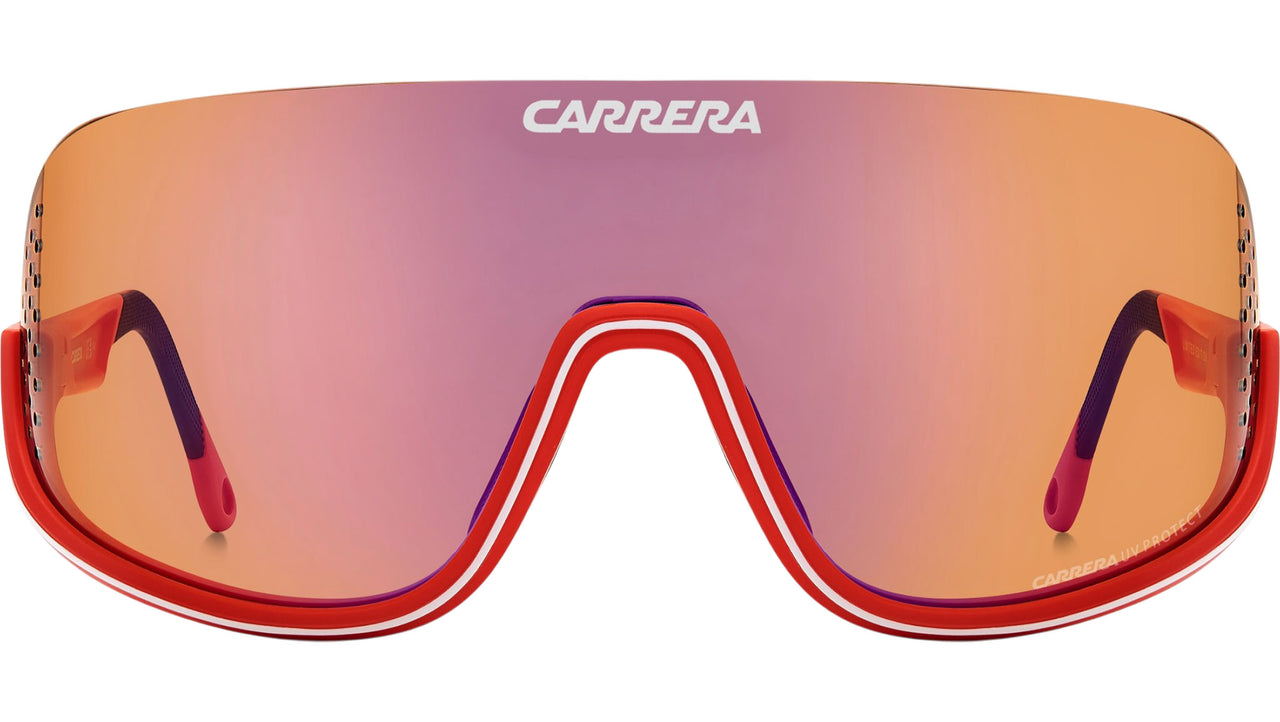
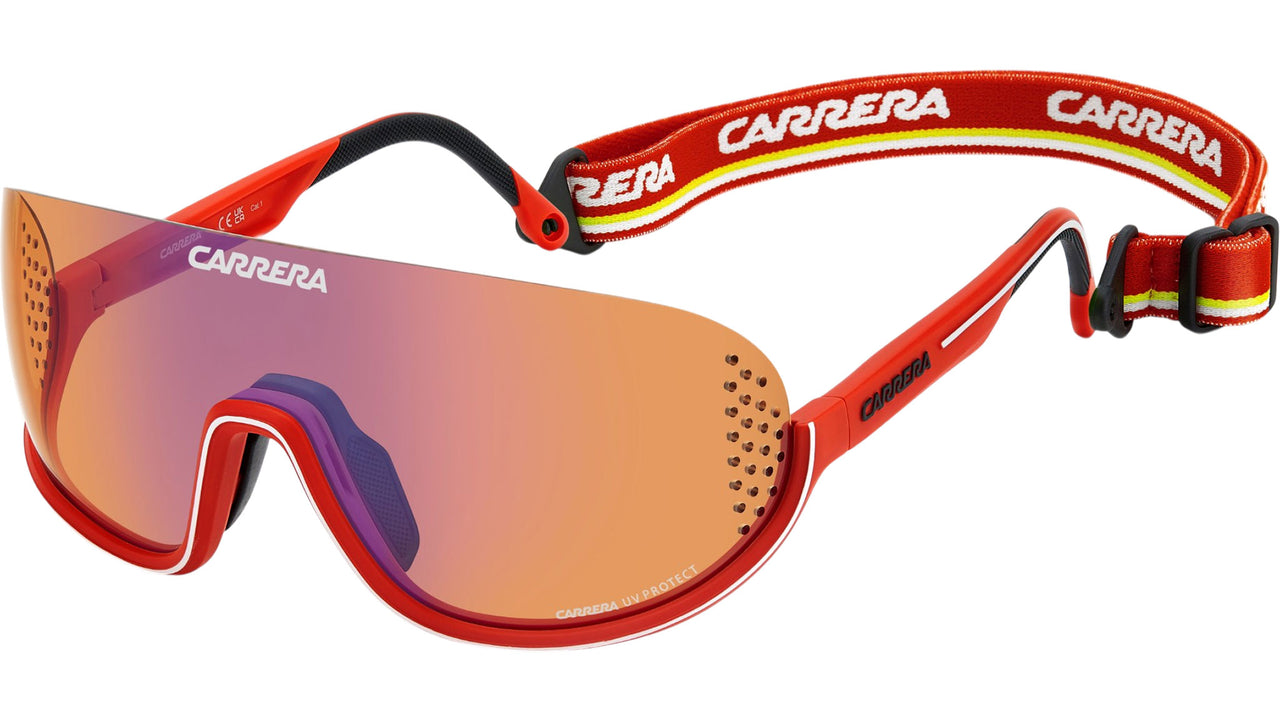
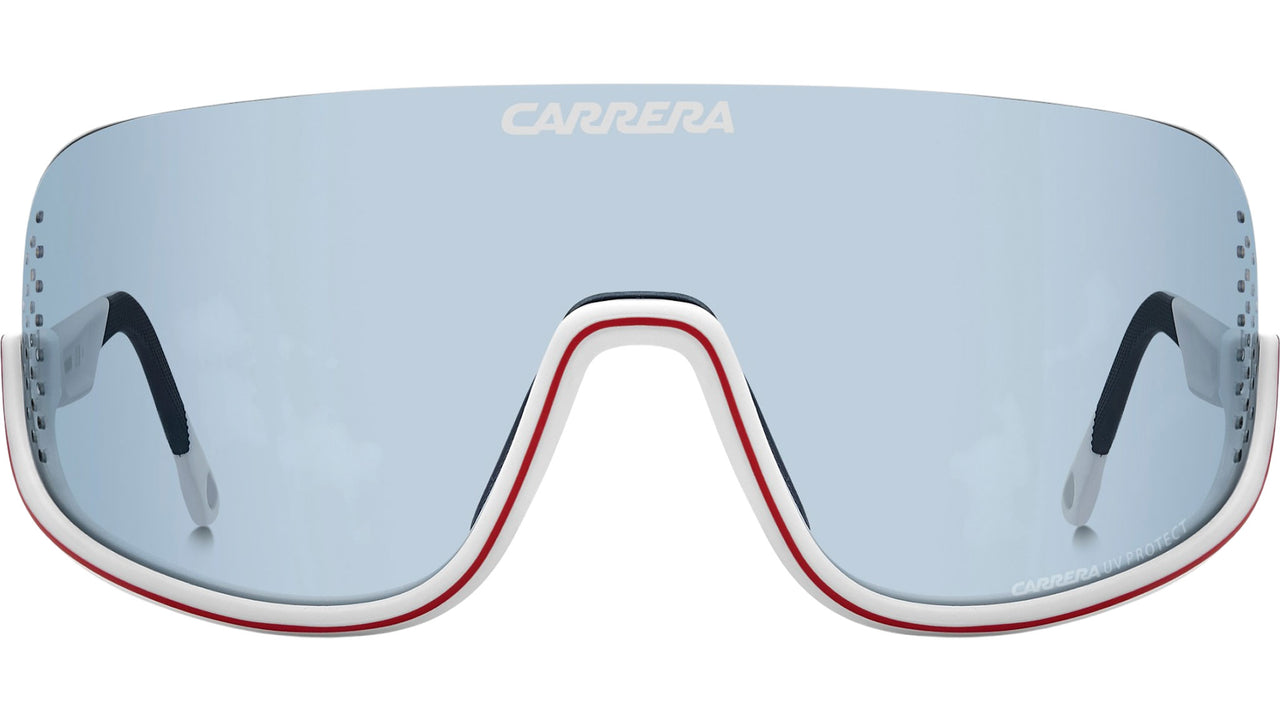
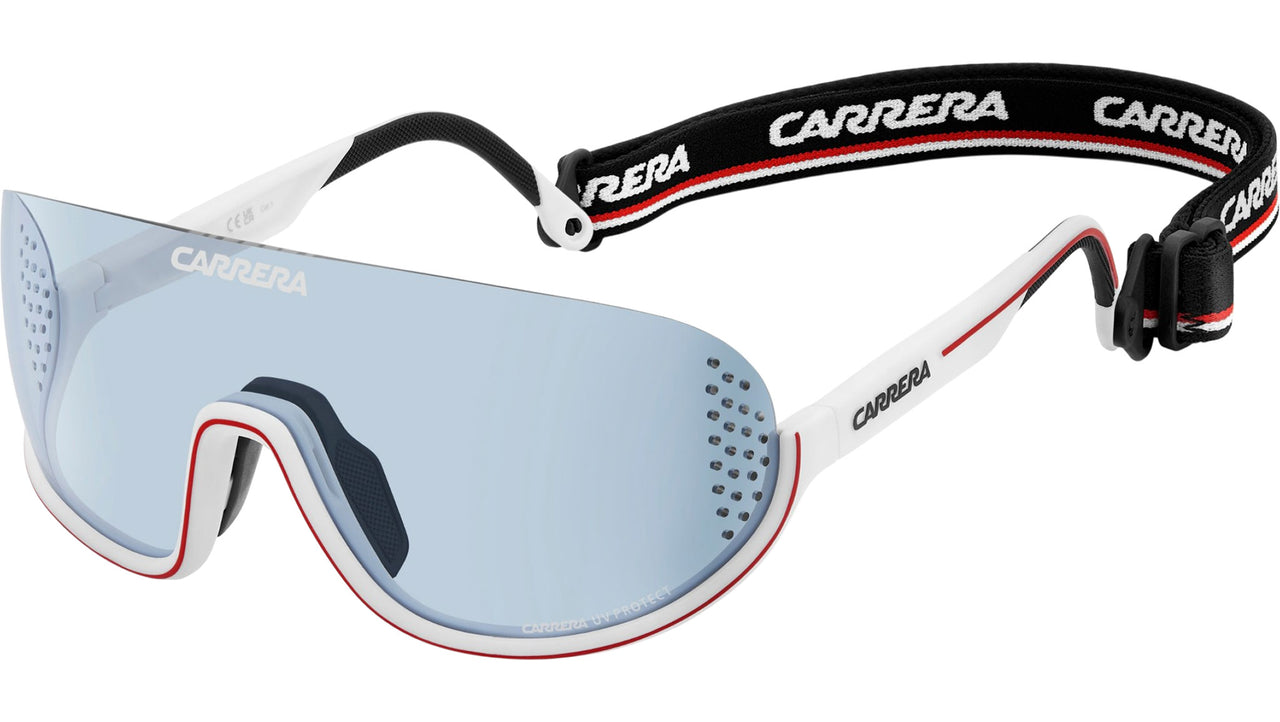
Carrera has a rare quality. It takes the language of performance and brings it into everyday life. Nylon frames with rubber inserts on the temples, shield fronts that look as if they came straight off a track, polarised lenses that keep vision sharp even in the harshest light. They were born for sport, yet worn in the city they are just as convincing.
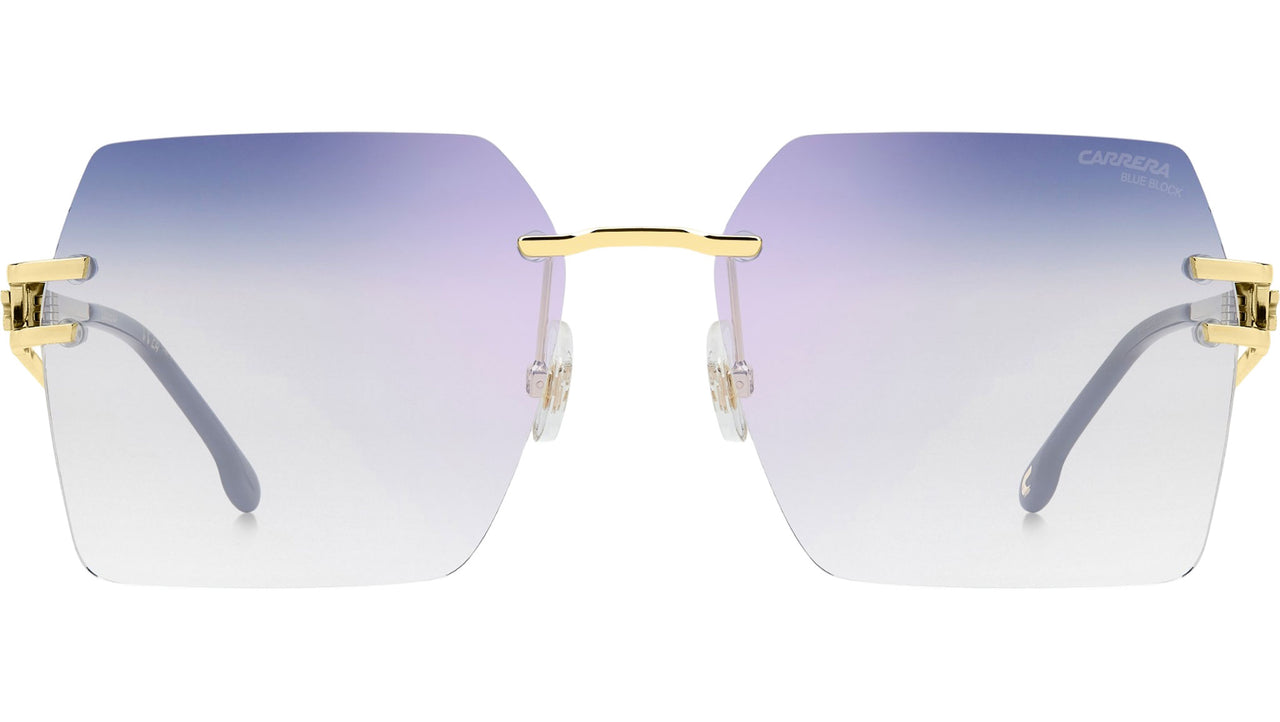
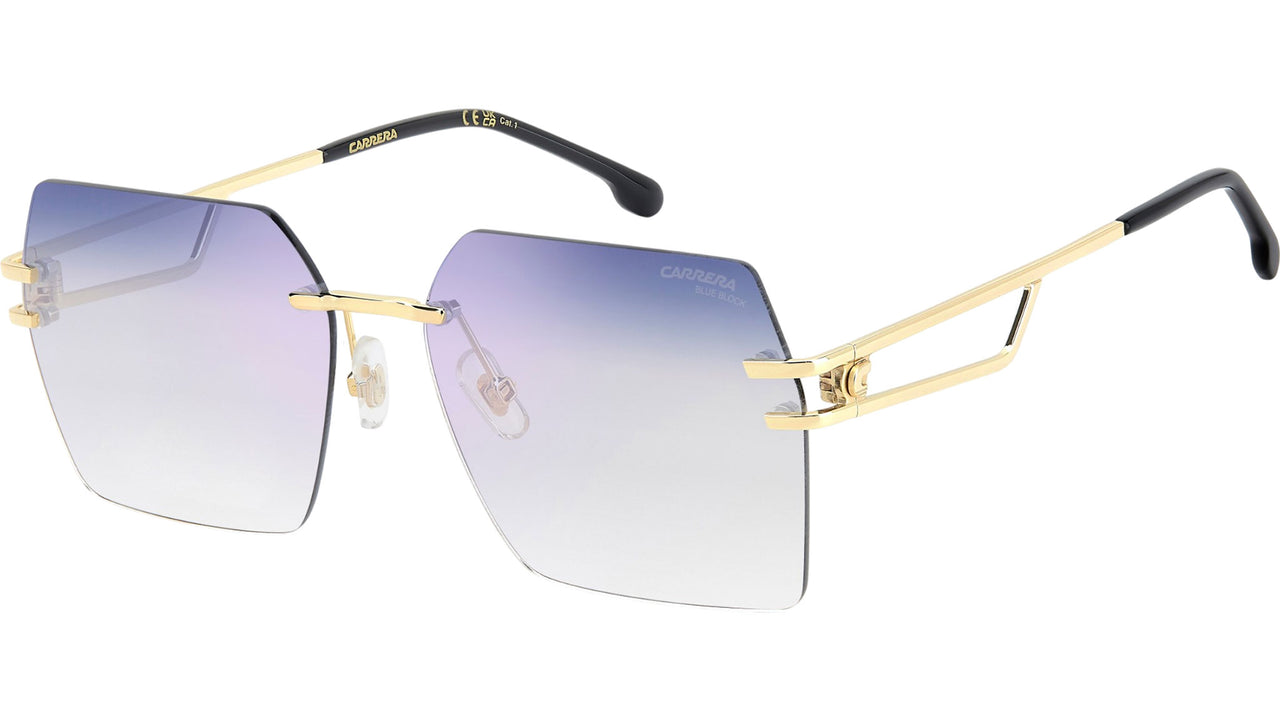
Alongside this technical side lives a more refined one. Lightweight metal, shaded lenses, essential silhouettes, rectangular and squared shapes that suit many faces. The design is Italian, the sensibility that of someone who does not need to raise their voice. It is a balance that explains why Carrera remains a constant reference, from the oversized models of the Eighties to today's more understated frames.
Innovation in Every Lens
The technical side follows the same logic. Carrera Ultra lenses focus on contrast and clarity. Polarised versions cut down glare. Adaptive photochromic lenses adjust to the light. Many frames are compatible with clip-in systems, so the same frame moves from prescription to sun in an instant.
Speed, materials, archive. Three words for a brand that keeps moving.