
Seeing to Win: Sports Lens Technology in the Era of the America's Cup
In Naples in 2027, the most technologically advanced sailing race in history will take place. But even before the foils touch the water, the challenge is won with the eyes.
There is a silent variable that separates winners from losers in sailing: the quality of vision on the water. A helmsman who reads the wind one second earlier has already won. A tactician who can distinguish an area of steady breeze from a patch of calm water 400 meters away has already won. And all of this begins with what is placed in front of the eyes.
The America's Cup is, above all else, a technological competition. And sports lens technology is an integral part of it, even if not enough people talk about it.
The Four Technologies That Make the Difference
1. Polarization: Eliminating Glare, Reading the Water
A polarizing filter selectively blocks horizontally reflected light—the typical glare produced by water—while allowing vertical light to pass through. The result is a radically clearer view of the surface: wind patches appear more defined, and ripples become easier to interpret. For a sailor, it is like moving from standard definition to high resolution.
2. PolarizedPlus2 and Rare Earth Elements: Contrast as a Chemical Advantage
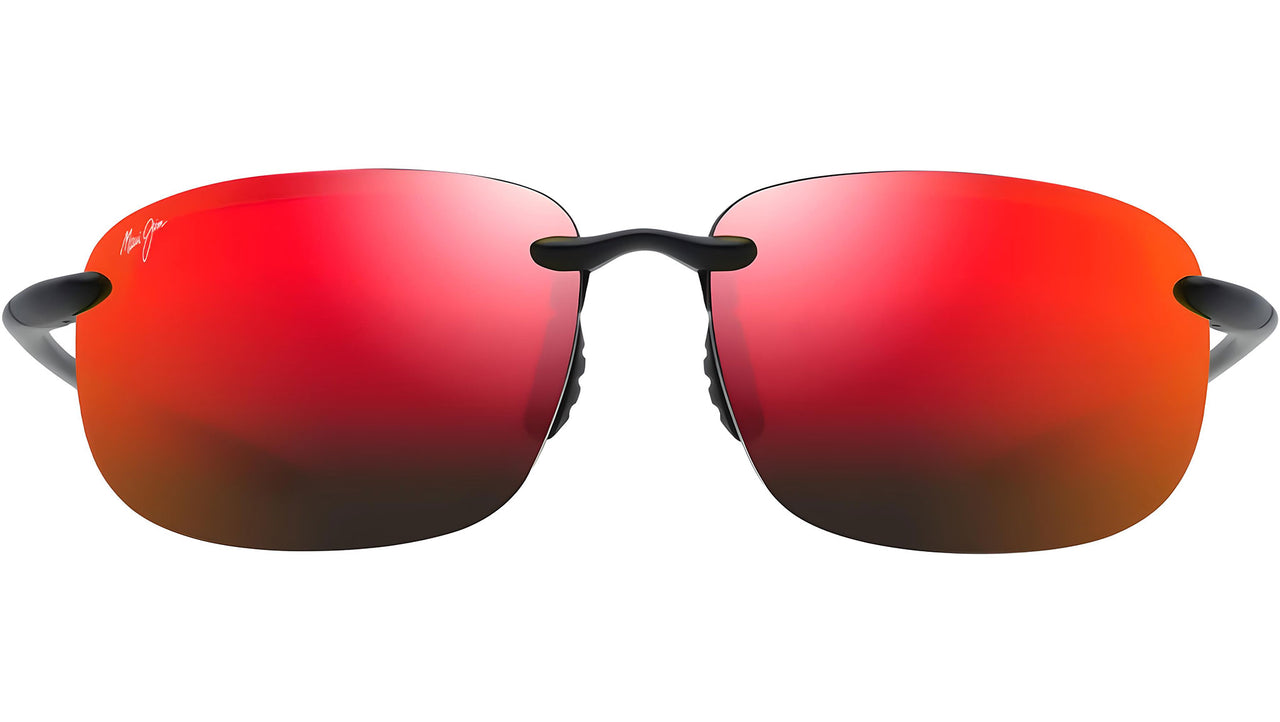
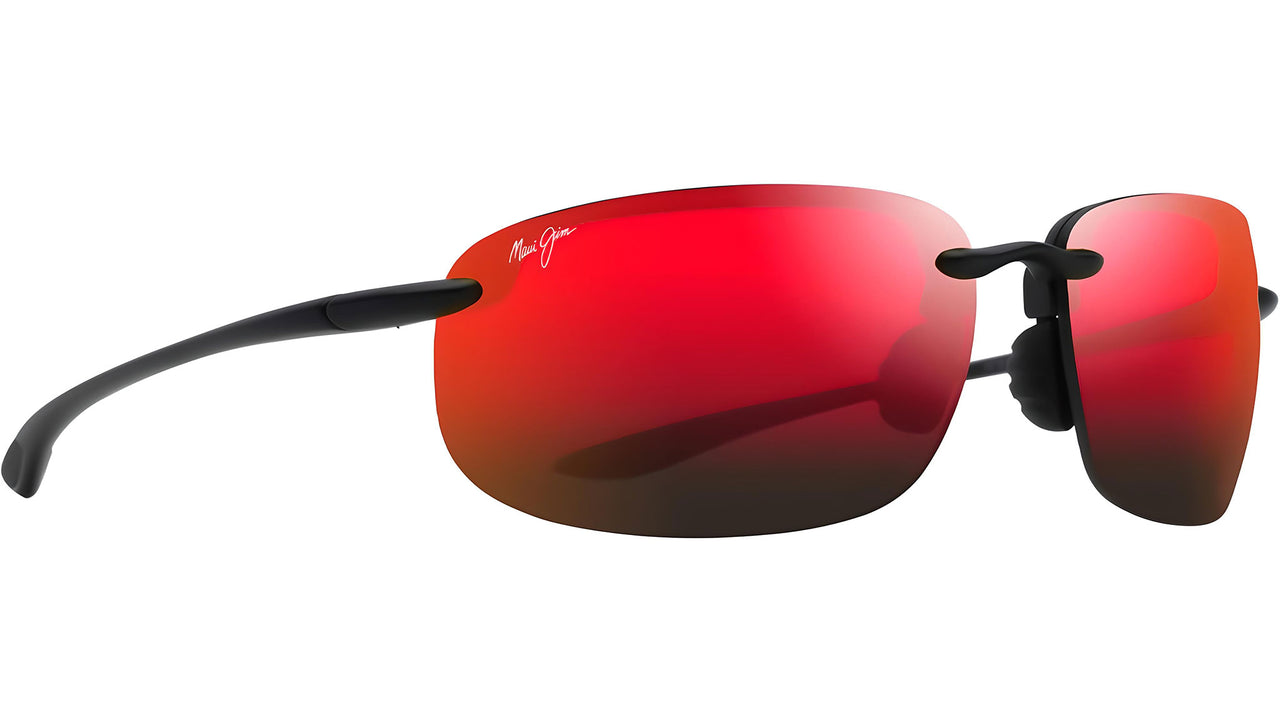
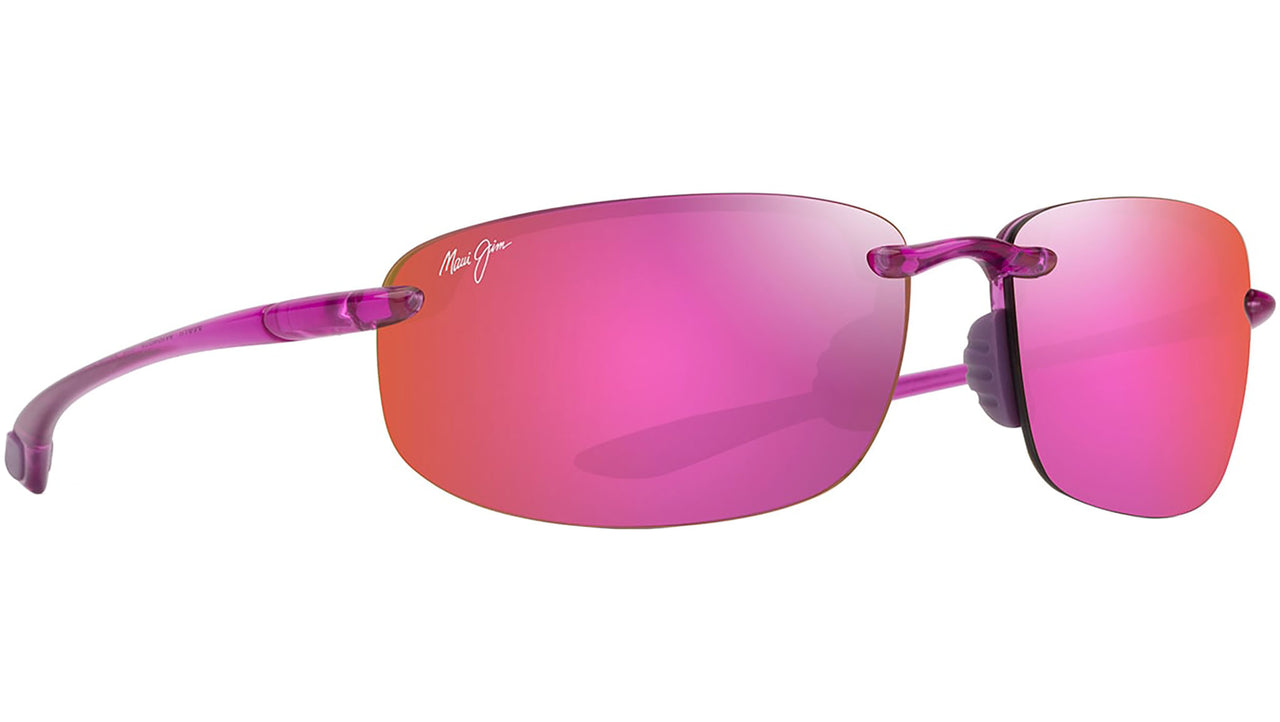
Maui Jim goes beyond conventional polarization with its PolarizedPlus2 technology. Three rare earth elements—praseodymium, erbium, and neodymium—are integrated into SuperThin Glass lenses to selectively amplify the three fundamental color frequencies perceived by the human eye. For sailors, the result is immediate: the water surface gains depth, wind variations become perceptible through color differences, and the contrast between sky and sea increases measurably. The system also includes a bi-gradient mirror, darker at the top and bottom to block glare from both directions, an internal anti-reflective coating, and waterproof and oleophobic treatments on both lens surfaces.
3. Photochromic Technology: Real-Time Adaptation
Lighting conditions at sea can change within minutes. Photochromic lenses respond through photosensitive molecules embedded in the lens material that activate in the presence of UV radiation, smoothly adapting light transmission from Category 1 to Category 3 with response times measured in seconds.
4. Frame Materials and Geometry: The Frame Is Part of the System
An outstanding lens mounted on an unstable frame is useless. The materials used in the best sports frames—beta titanium for hinges and temples, injected nylon for the structure, and thermoplastic rubber for nose pads and temple tips—address exactly this challenge. Extremely lightweight, resistant to saltwater corrosion, flexible where needed, and rigid where required. Wraparound geometry reduces unfiltered side light and improves stability during movement.

Prada Linea Rossa: When Engineering Meets Italian Design
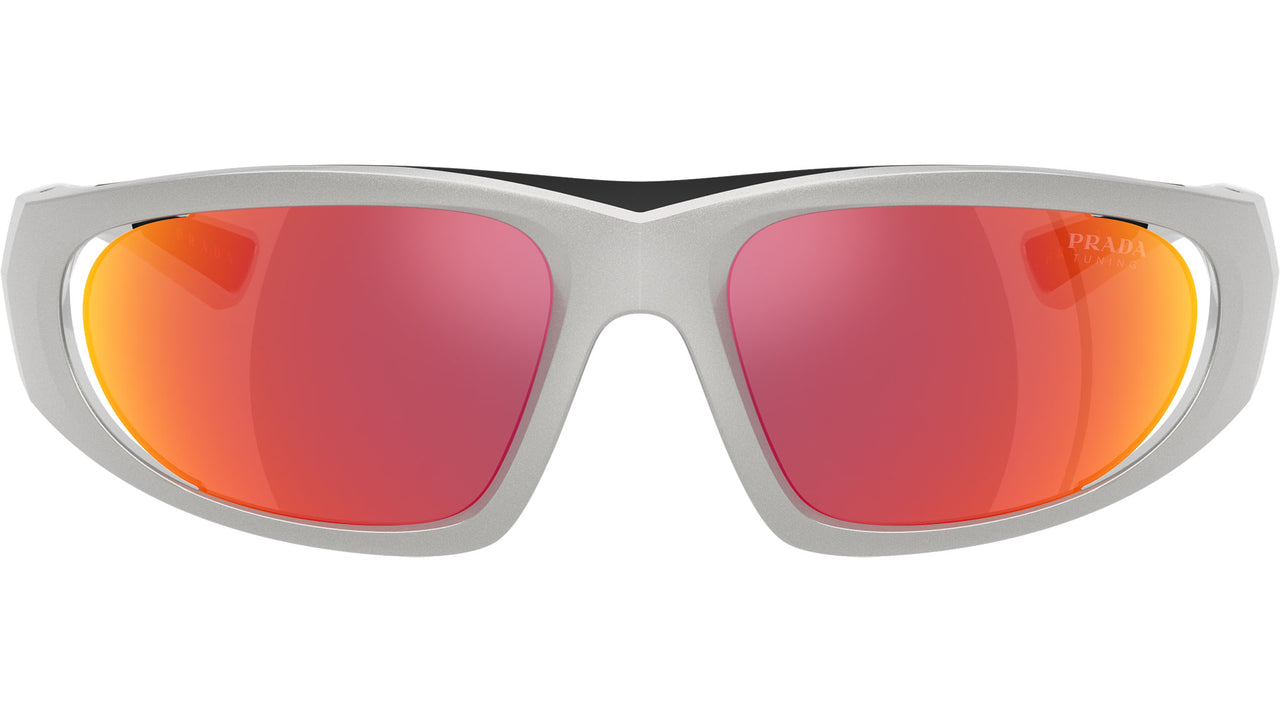
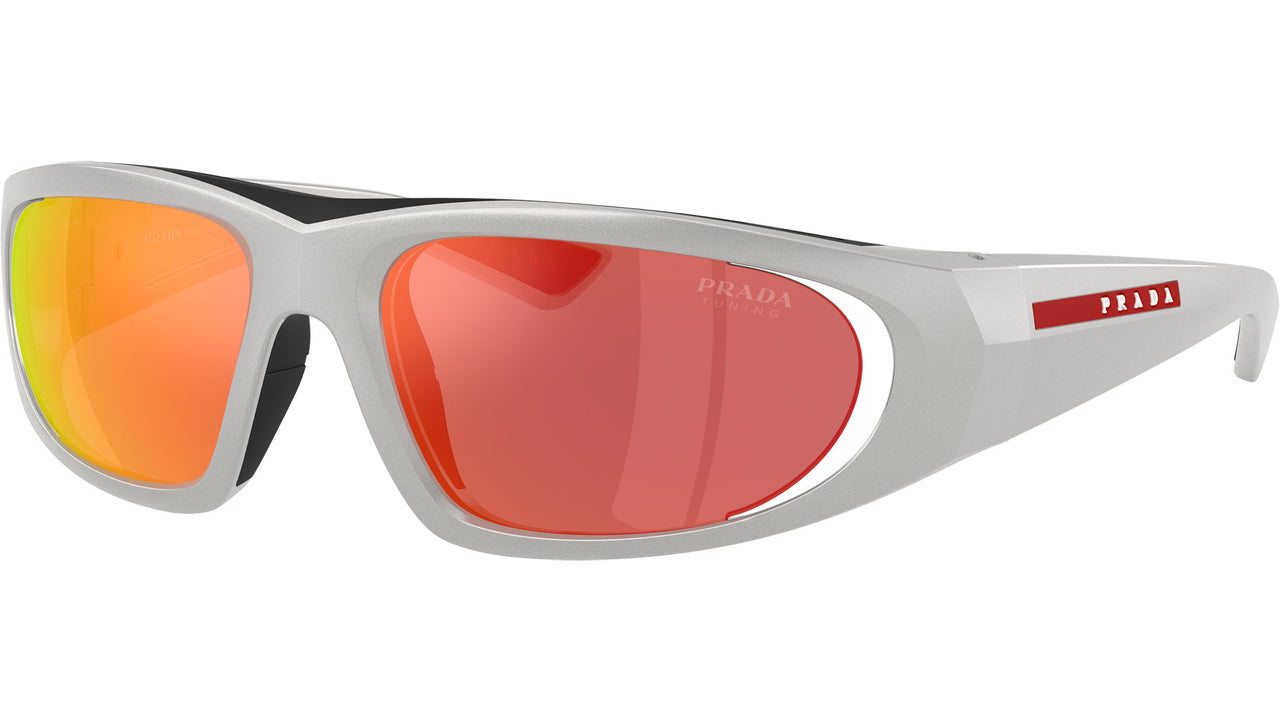
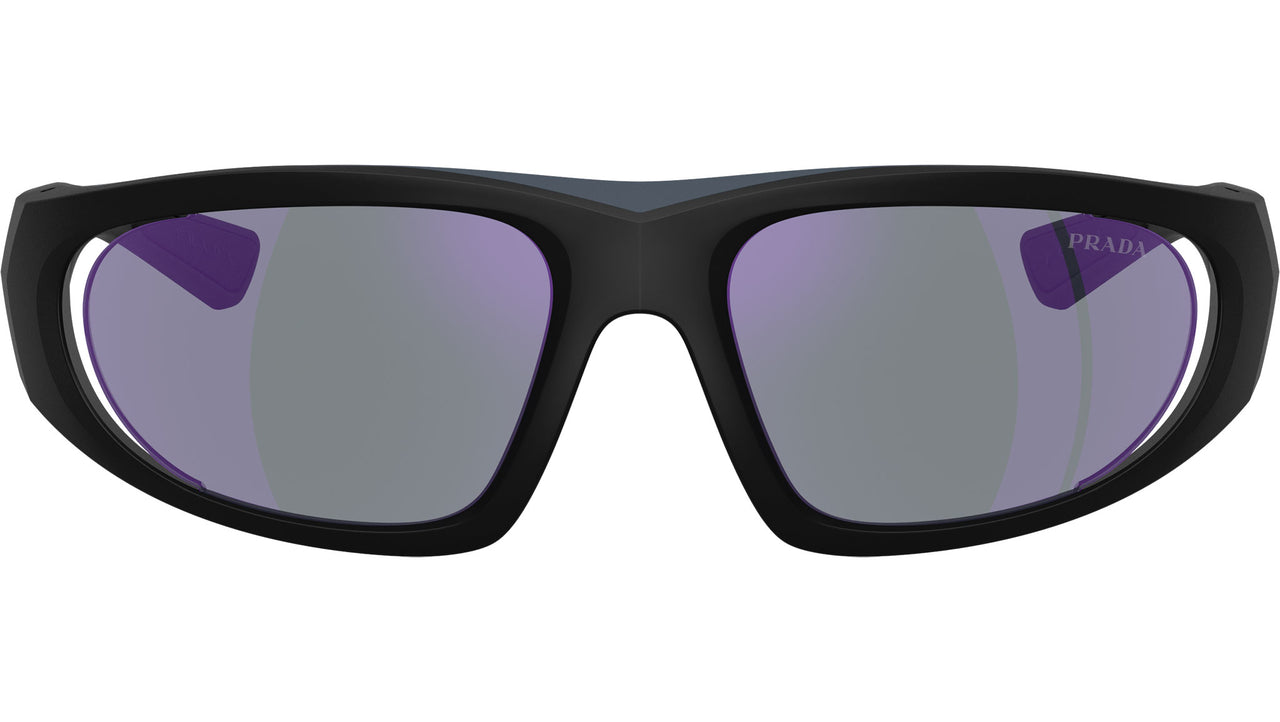
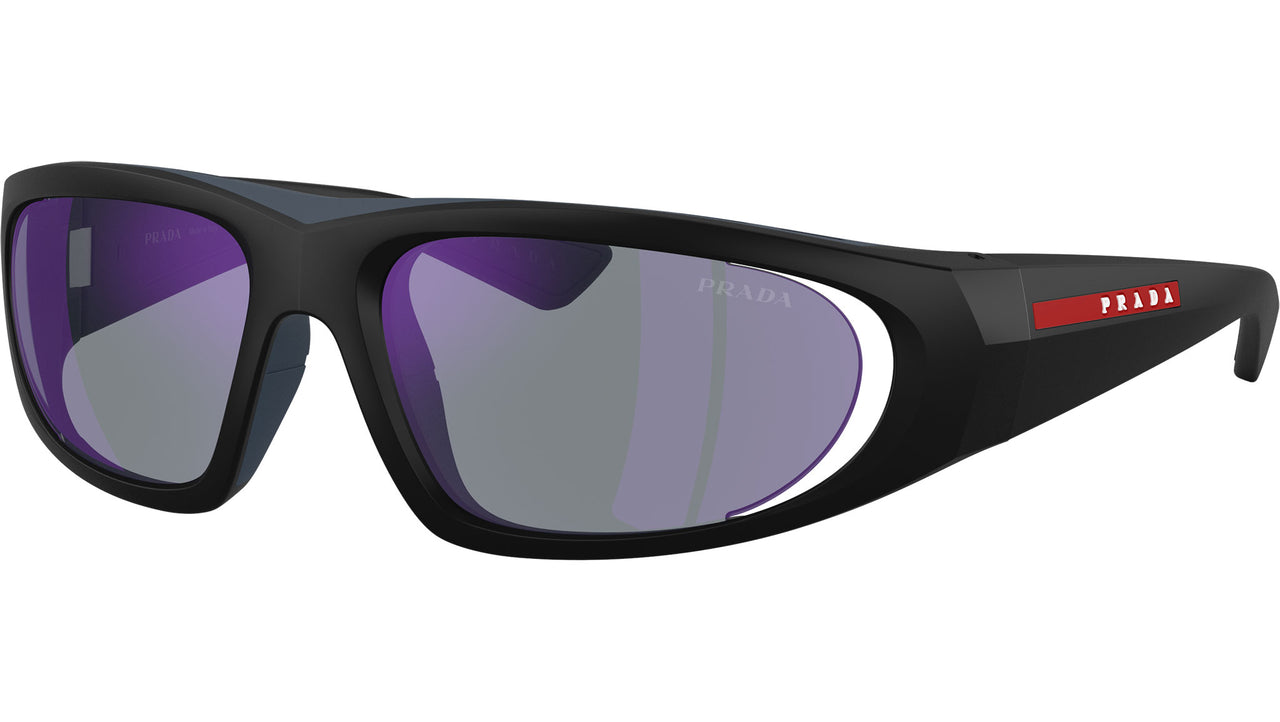
It is no coincidence that Luna Rossa’s long-standing partner is Prada. The PS line (Prada Sport / Linea Rossa) represents the meeting point between the construction precision of performance sportswear and the aesthetic code of one of the world’s most recognizable brands: reinforced nylon frames, impact-resistant lenses, and technical details that explicitly communicate the product’s sporting heritage.
PS 52YS (ROGGU Black, MO1G4 Black), an iconic semi-rimless frame with a large shield lens. PS 4CGS Silver with mirrored lenses for maximum sun protection. PS 52S (Gunmetal), featuring a slim profile and serving as a crossover piece between performance wear and everyday luxury. PS 0221 (Black, Silver) with a highly curved lens, the model closest to the aesthetics of competition eyewear.

Maui Jim: Born on the Water, Built for the Water
Maui Jim was founded in Hawaii with a single objective: solving the challenge of vision in intense marine light. It is not a sports brand that later turned its attention to sailing; it is a marine brand that has made water its very reason for existence. This origin is reflected in every aspect of PolarizedPlus2 technology and in the frames themselves, all designed for environments where salt, humidity, and reflected light are everyday conditions.
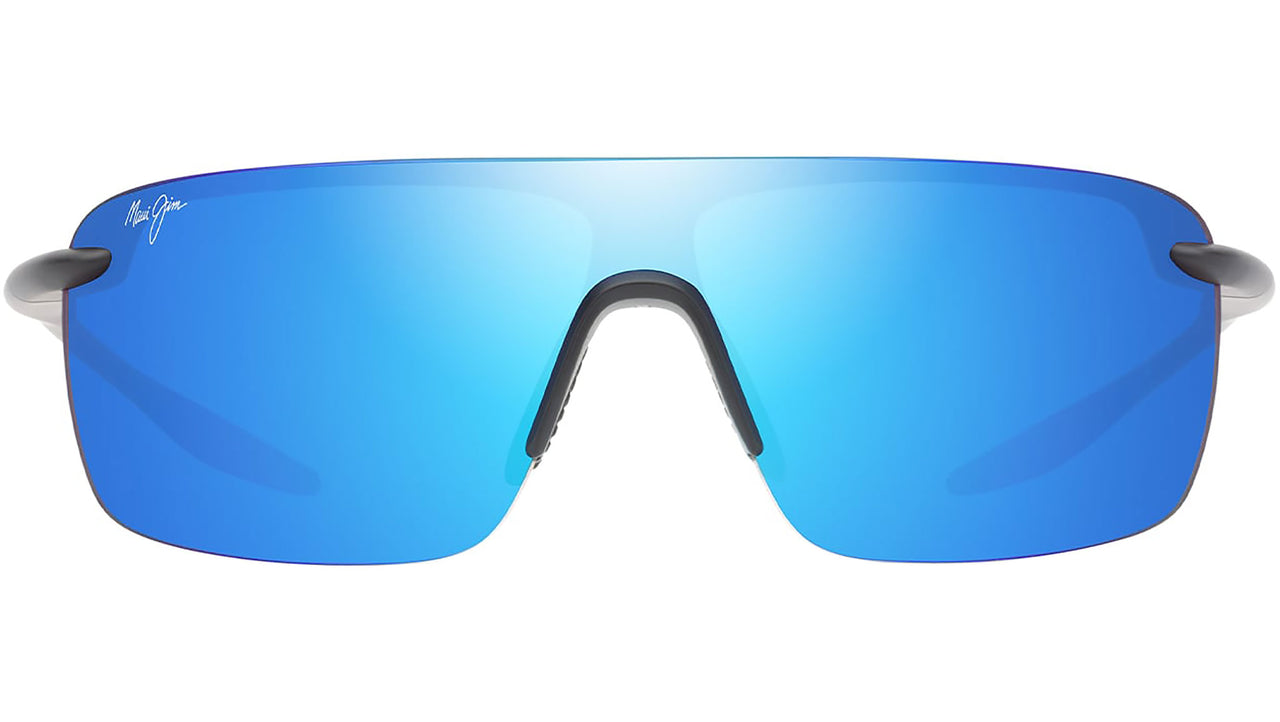
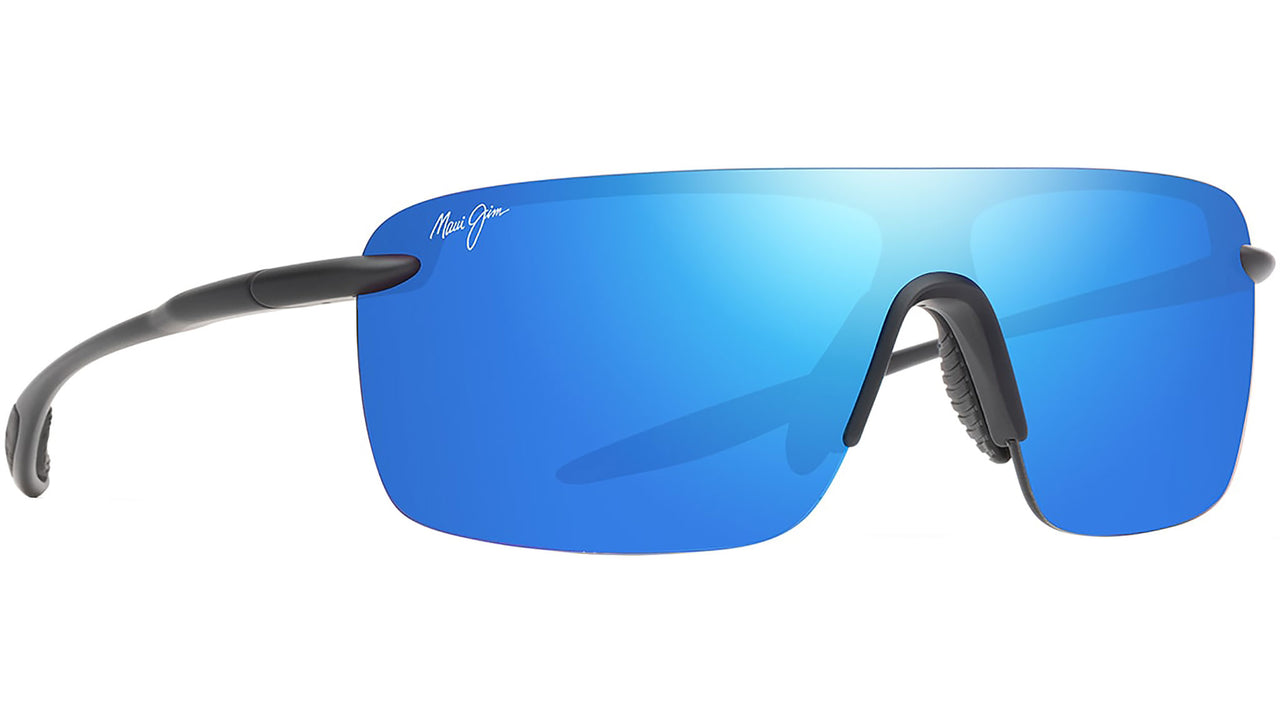
Ho'okipa and Ho'okipa Ultra (B676, B677, B407, HT407, P407) are the flagship models of the sports line, featuring rimless wraparound designs with corrosion-resistant Grilamid TR-90 frames. Maui Ultra lenses provide color opacity nearly equivalent to SuperThin Glass while weighing only one-third as much. The Wavy Pattern on the nose pads and temple tips—the most recognizable detail of the collection—references ocean waves while ensuring a secure grip even in humid conditions.
Hauoli XL (HT674, H674) is designed for those seeking maximum visual coverage: an oversized aviator-style lens with extensive peripheral protection, engineered for the intense sunlight and high solar angles typical of the Gulf of Naples during summer.
Keha, Walewaha, Paulele, Olali, and Kuniahi (AF) represent the most sophisticated tier in terms of construction: SuperThin Glass lenses, the clearest optical glass in the range, mounted in Asian Fit frames that adapt nose pads, temple angles, and lens curvature with the same level of attention a naval architect applies when optimizing a hull’s geometry.
Naples 2027: Seeing the Future
When the AC75s begin flying across the Gulf of Naples in the summer of 2027—50-knot yachts with Mount Vesuvius as their backdrop—the resulting images will rank among the most powerful ever produced in international sport.
That competition will be won through engineering, tactics, and physical performance. But also through the ability to see better, farther, and sooner. Sports lens technology is not merely an accessory to that challenge. It is an integral part of it. And the same tool that helps a sailor read the wind 400 meters away is available in designs created to be worn every day.