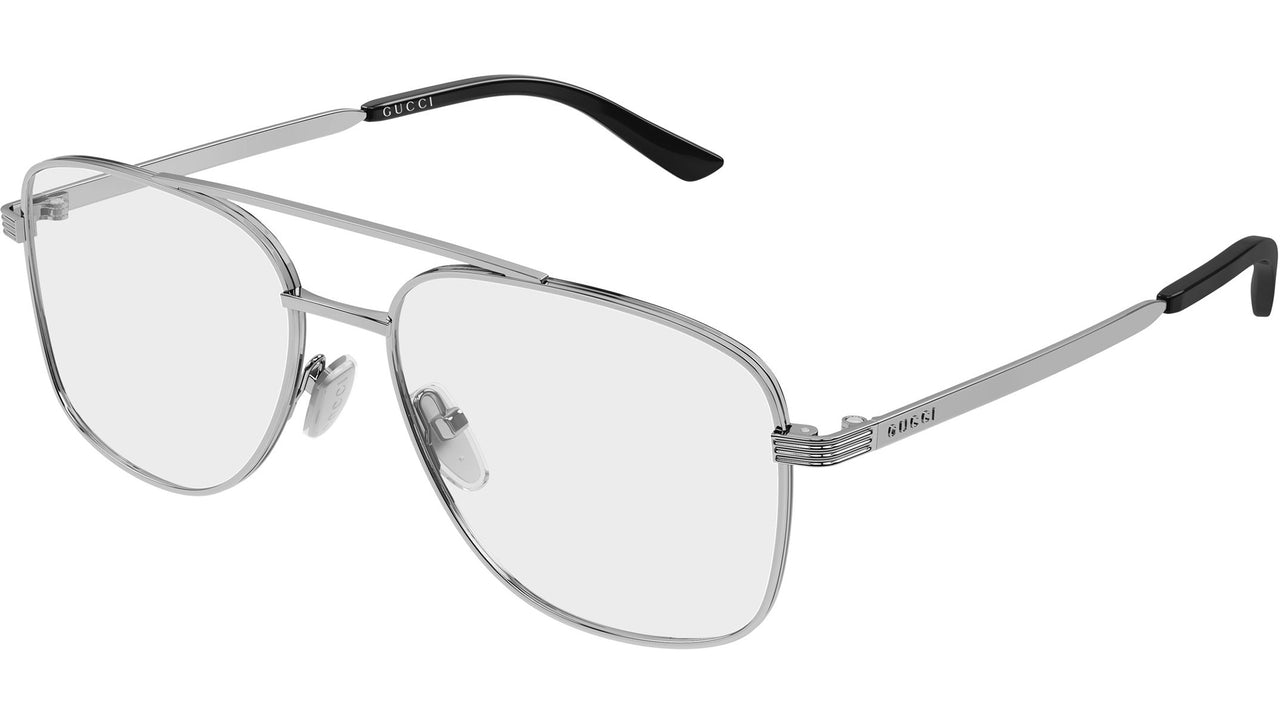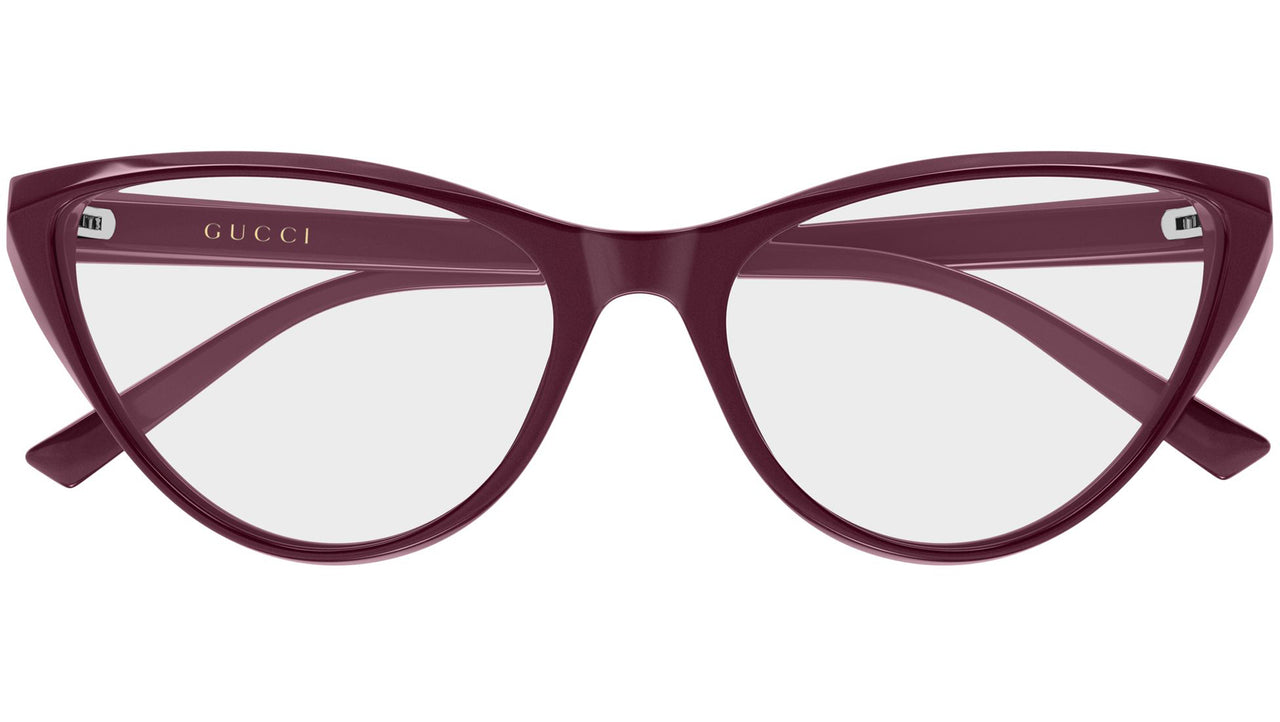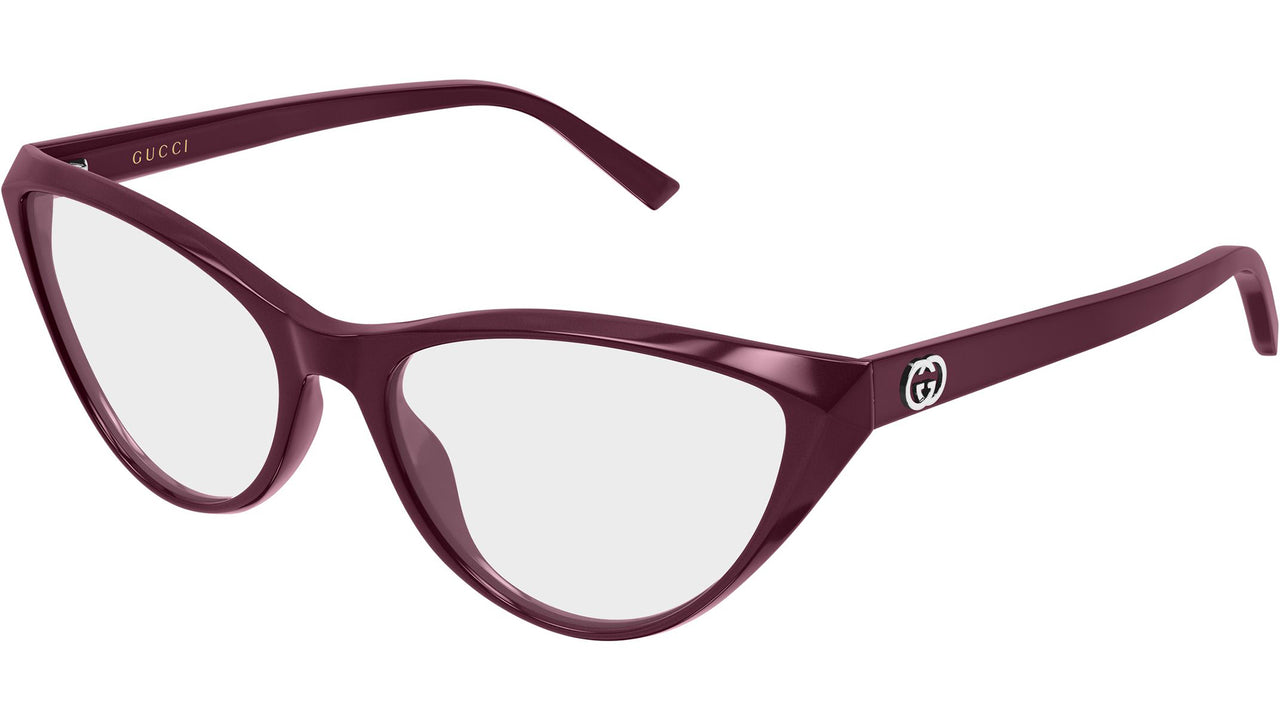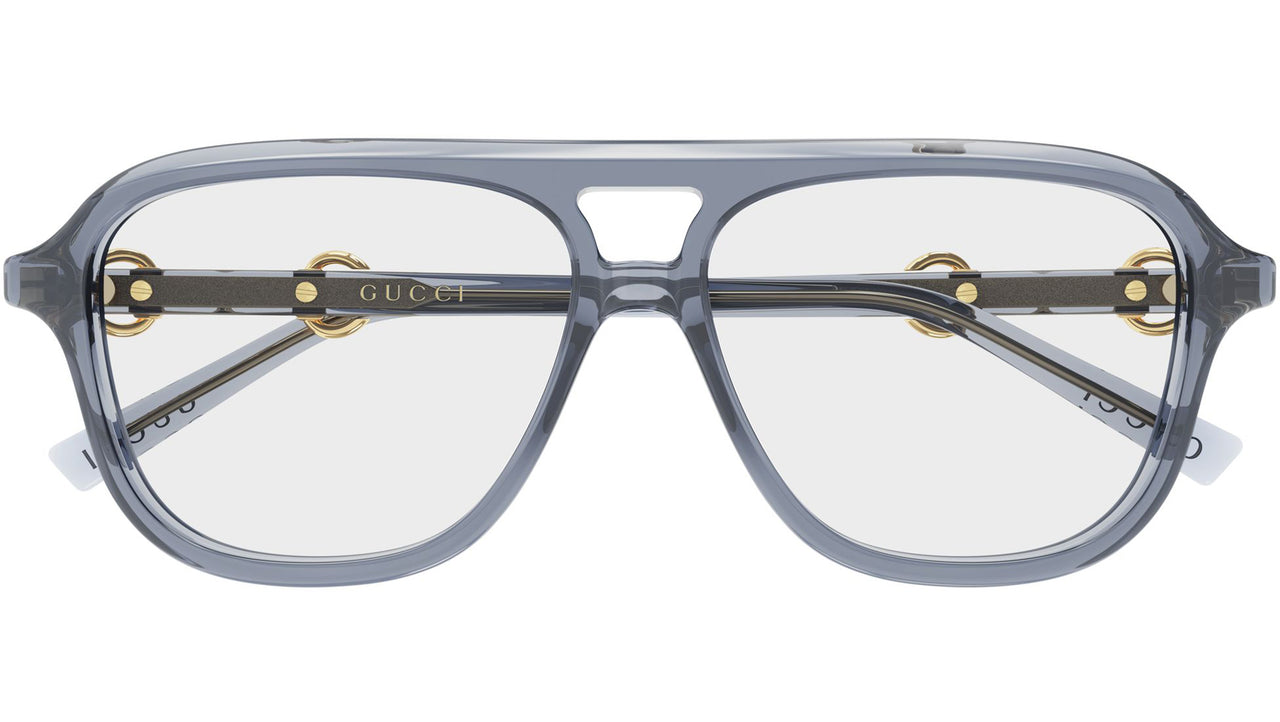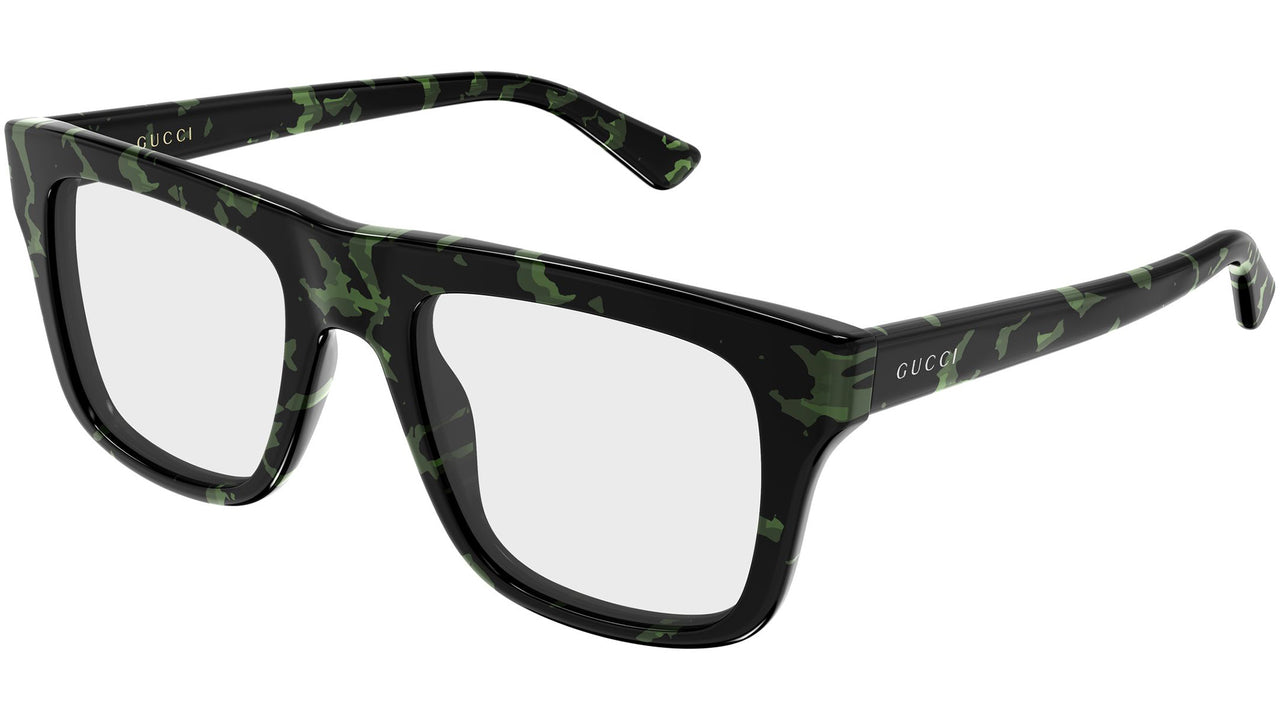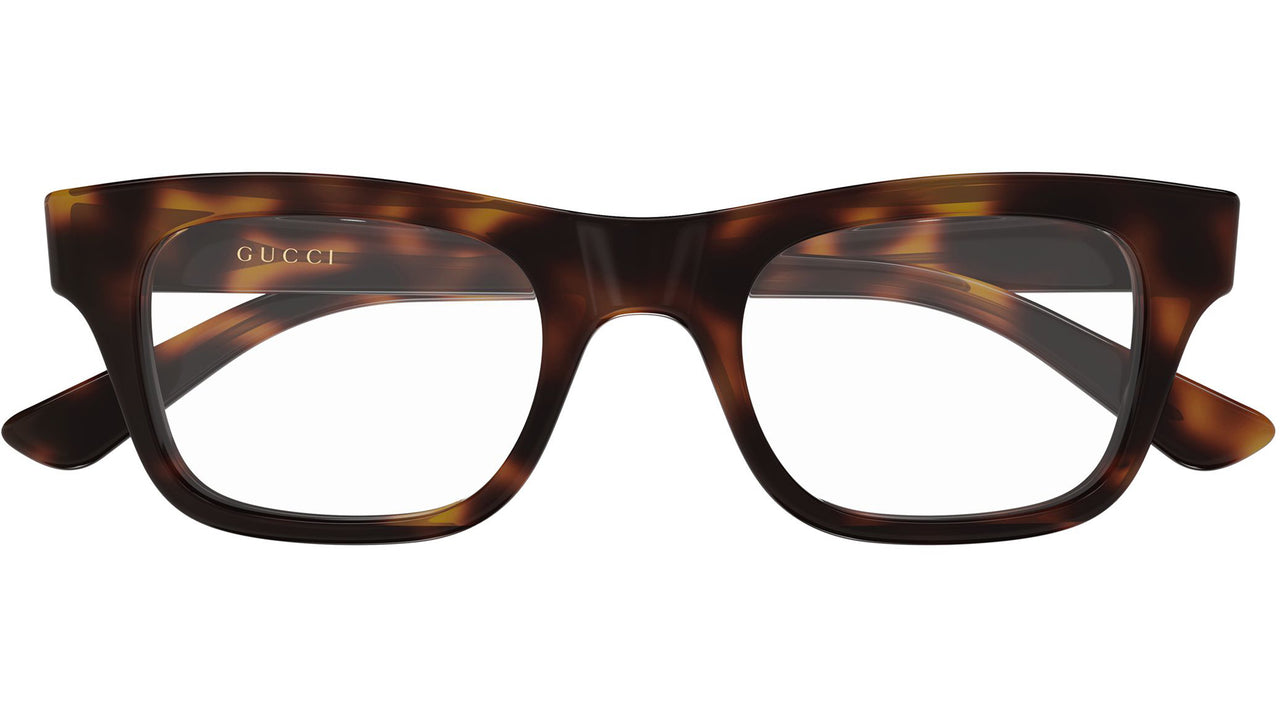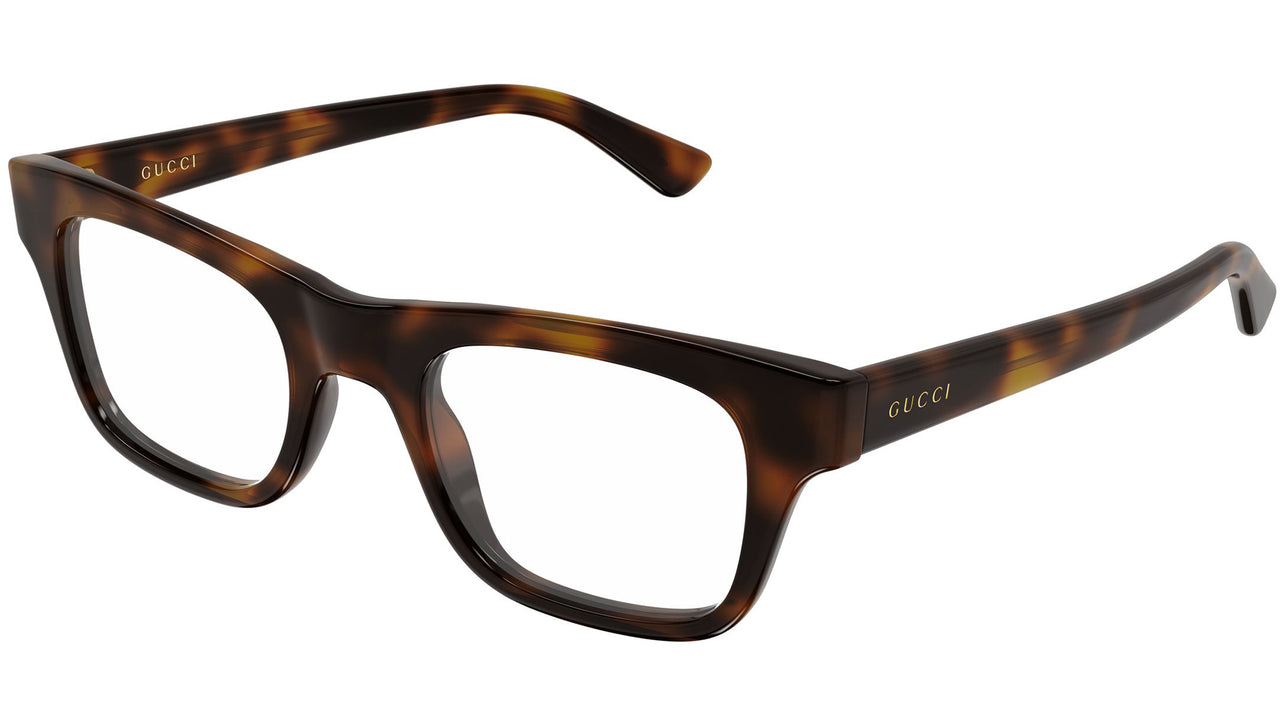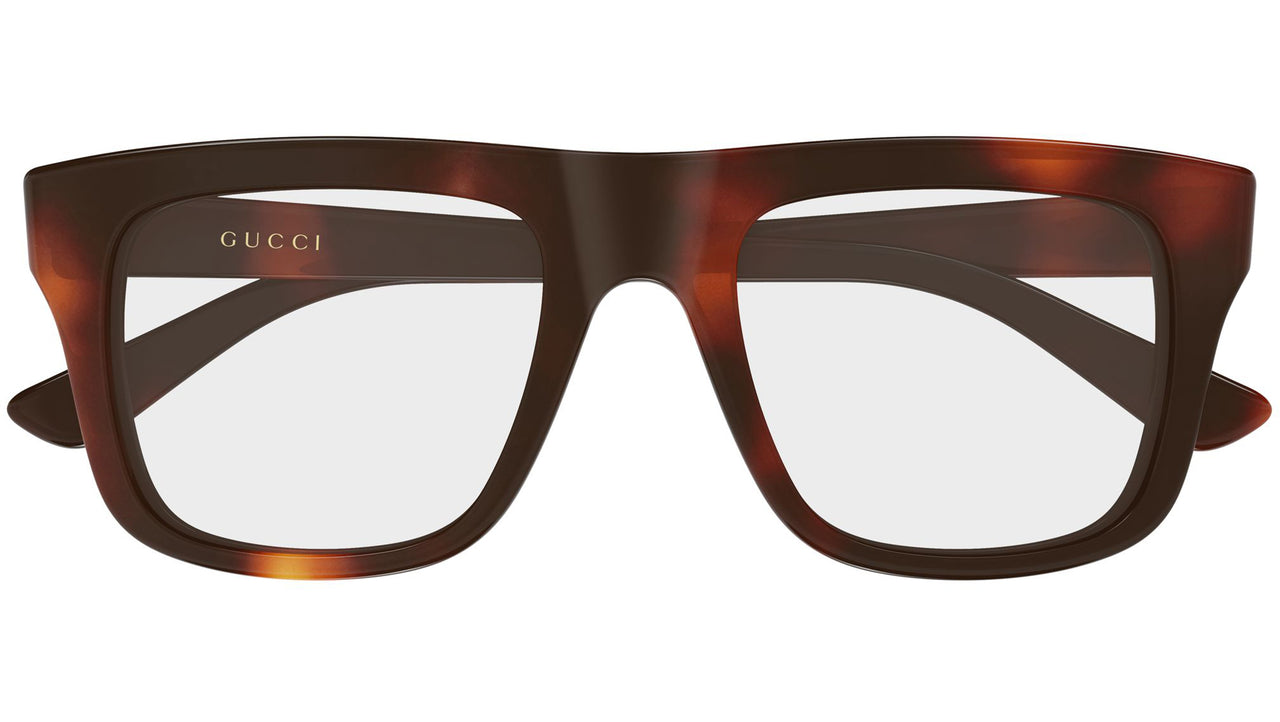

Gucci’s eyewear carries a design language shaped over more than a century. Its origins lie in Florence, where Guccio Gucci founded the House in 1921, specialising in leather goods and luggage. An attention to materials and workmanship established its reputation and continues to inform its identity today.
Over the following decades, Gucci introduced some of its most recognisable signatures: bamboo handles, Horsebit hardware and the equestrian-inspired Web stripe. In the 1960s, the GG monogram became another defining element, bringing the founder’s initials into the House’s visual vocabulary.
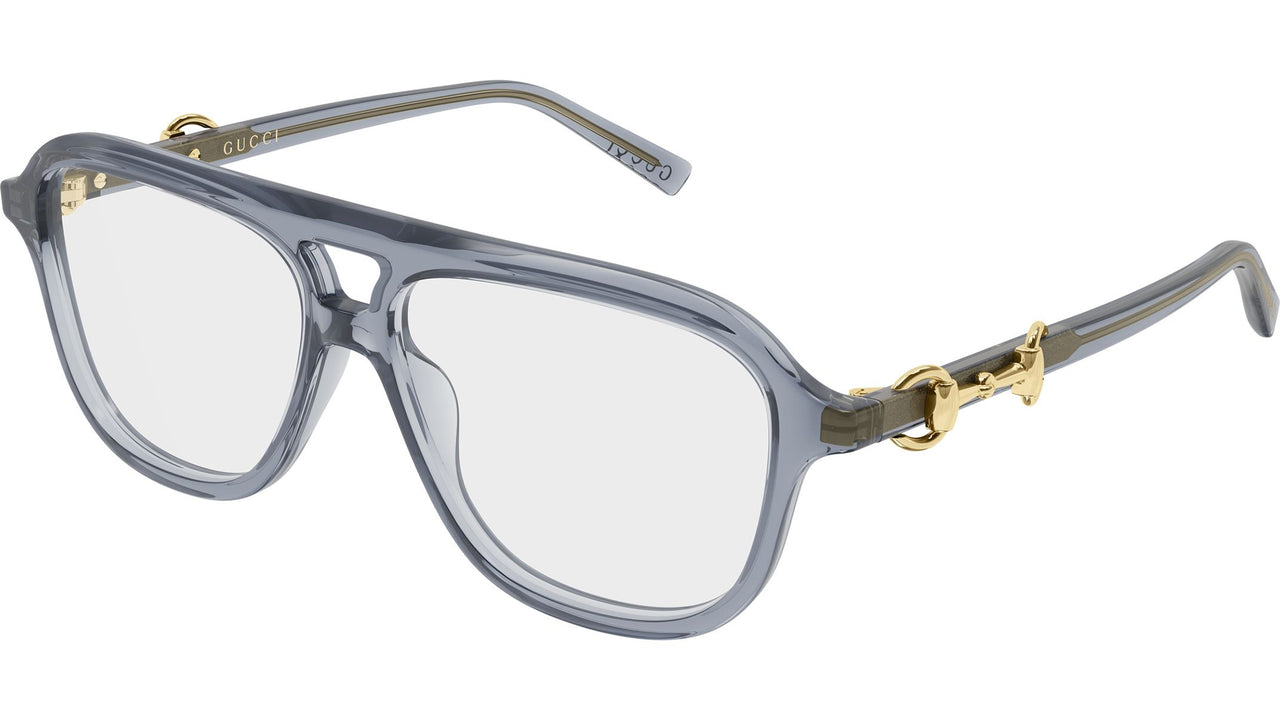
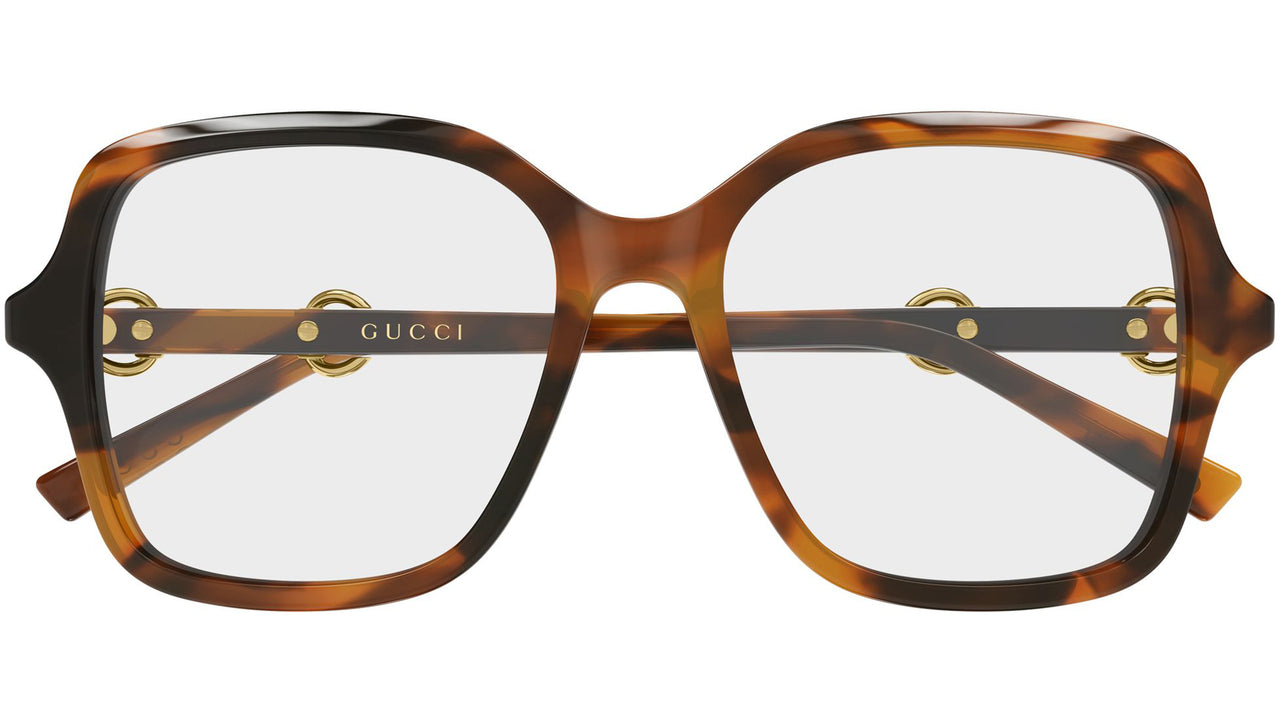
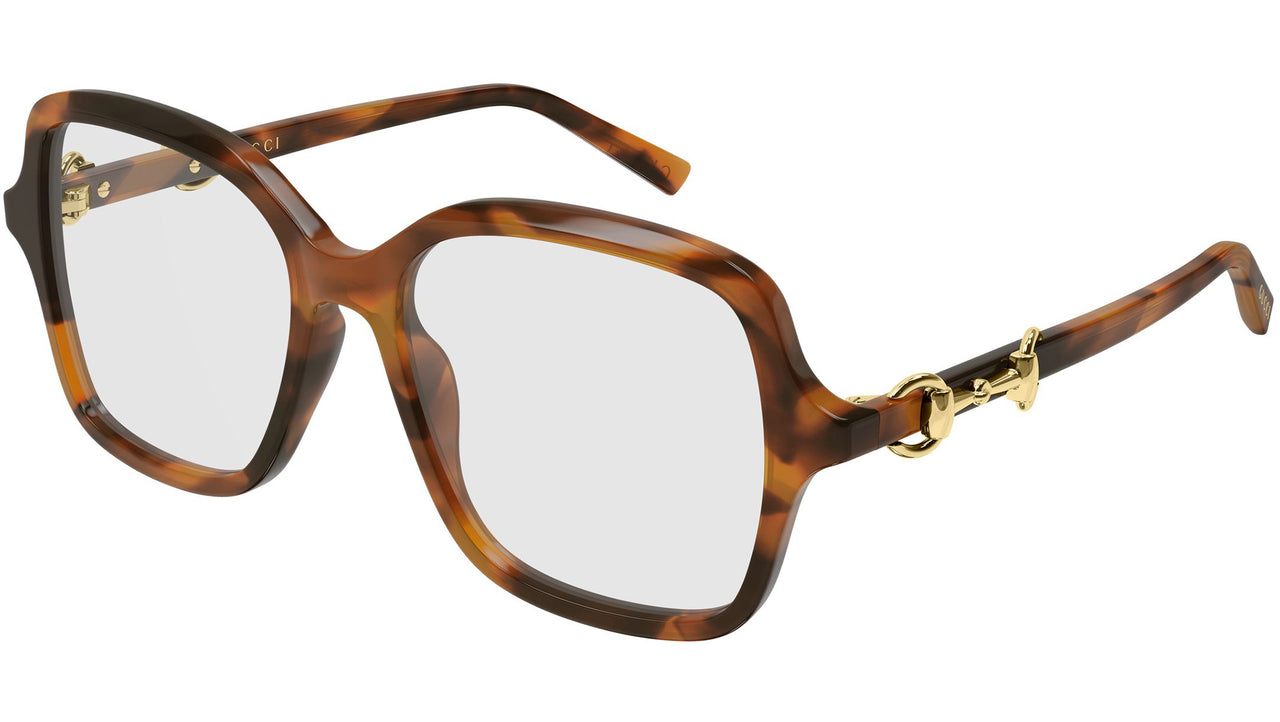
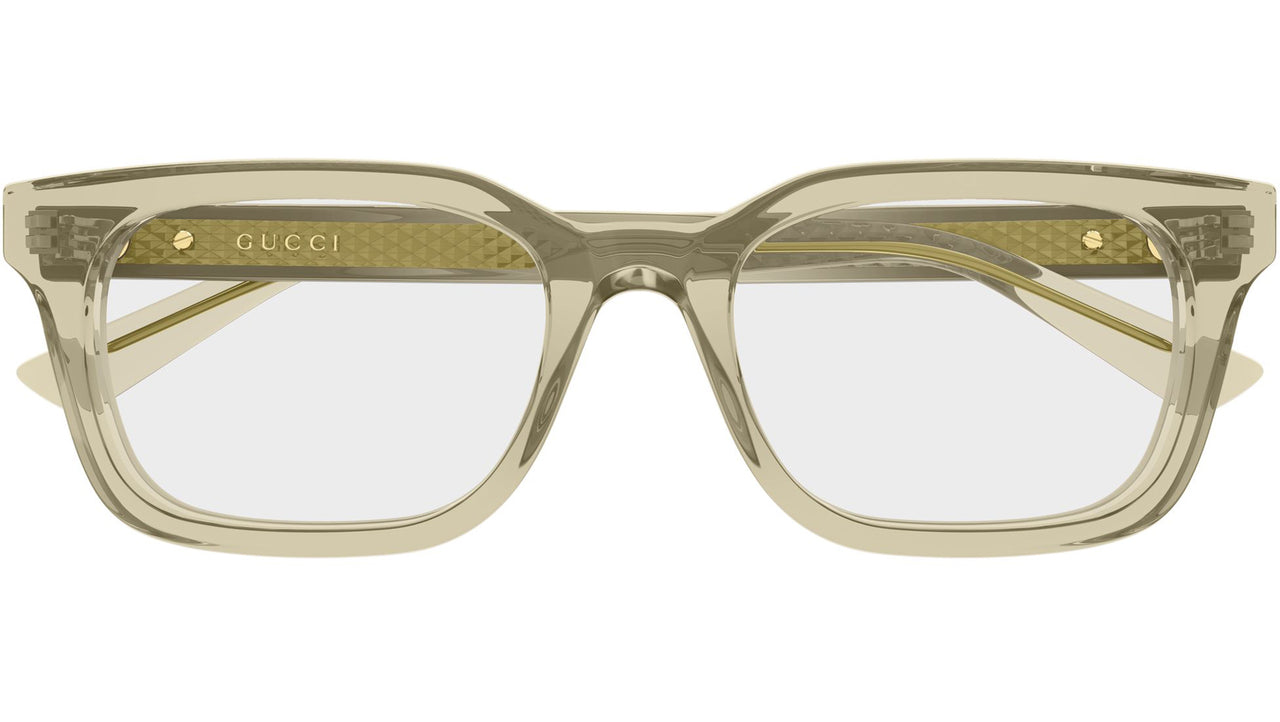
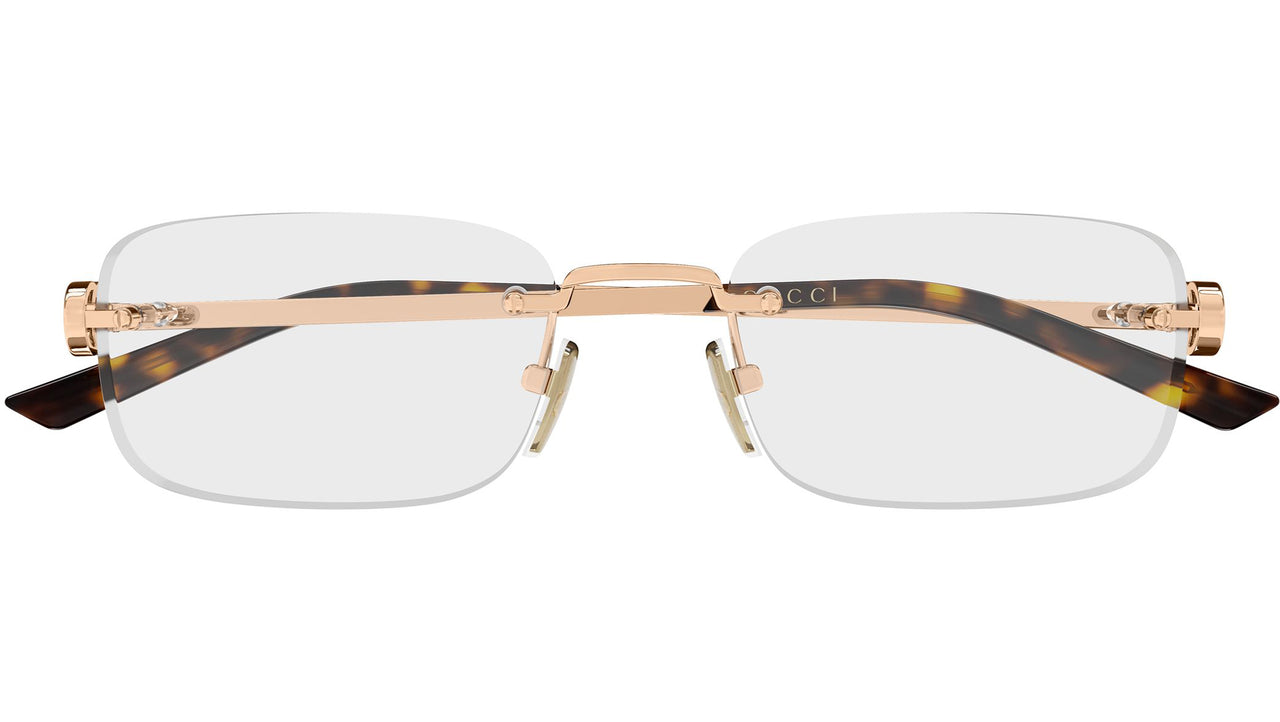
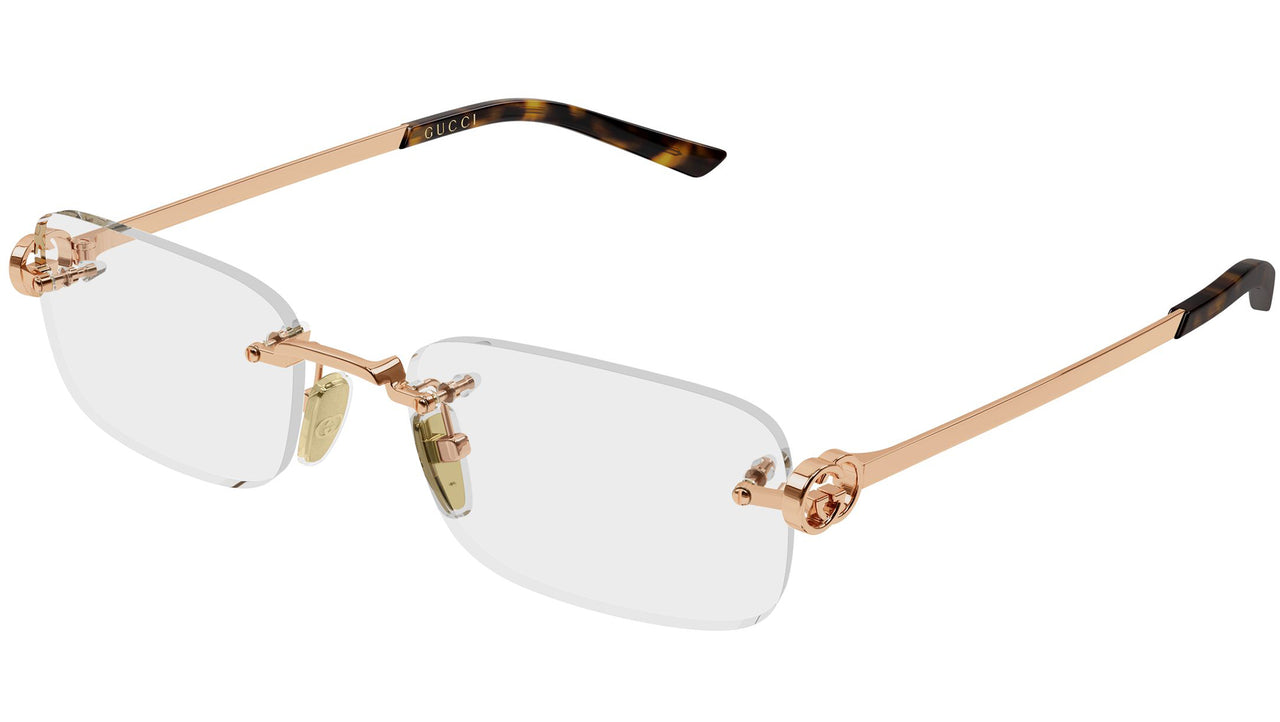
These details have been reinterpreted across generations and collections. In eyewear, they find a different scale and setting, appearing in temple accents, decorative hardware and distinctive combinations of colour and form.
Eyewear in the House’s Story
Gucci eyewear has evolved alongside the House’s changing creative direction. During Alessandro Michele’s tenure, its expressive aesthetic embraced oversized proportions, vintage references and elaborate embellishments. Frames became an integral part of a look, with the character to hold their own.
Since 2017, Gucci eyewear has been developed under Kering Eyewear, translating the House’s creative vision into sunglasses and optical frames.
With Demna as Artistic Director since July 2025, Gucci has entered a new creative chapter. Its eyewear belongs to a broader story of reinvention, in which familiar signatures are continually revisited through different shapes, proportions and finishes.
What connects these interpretations is a recognisable visual identity, with room for both bold expression and more understated design.
Design and Attention to Detail
Gucci’s Florentine origins remain central to its identity. In eyewear, that heritage is expressed through an attention to form, materials and the details that give each frame its character.
A polished surface, the contour of a temple or the placement of a signature can change the way a frame looks on the face. These are small decisions with a visible effect, shaping the relationship between the overall silhouette and its finer elements.
The collection includes frames produced in Italy and Japan, with the country of manufacture specified for each model. Rather than relying on a single origin to tell the story, the design brings Gucci’s visual language into focus: considered proportions, distinctive accents and finishes that invite a closer look.
A Focus on Rectangular Frames
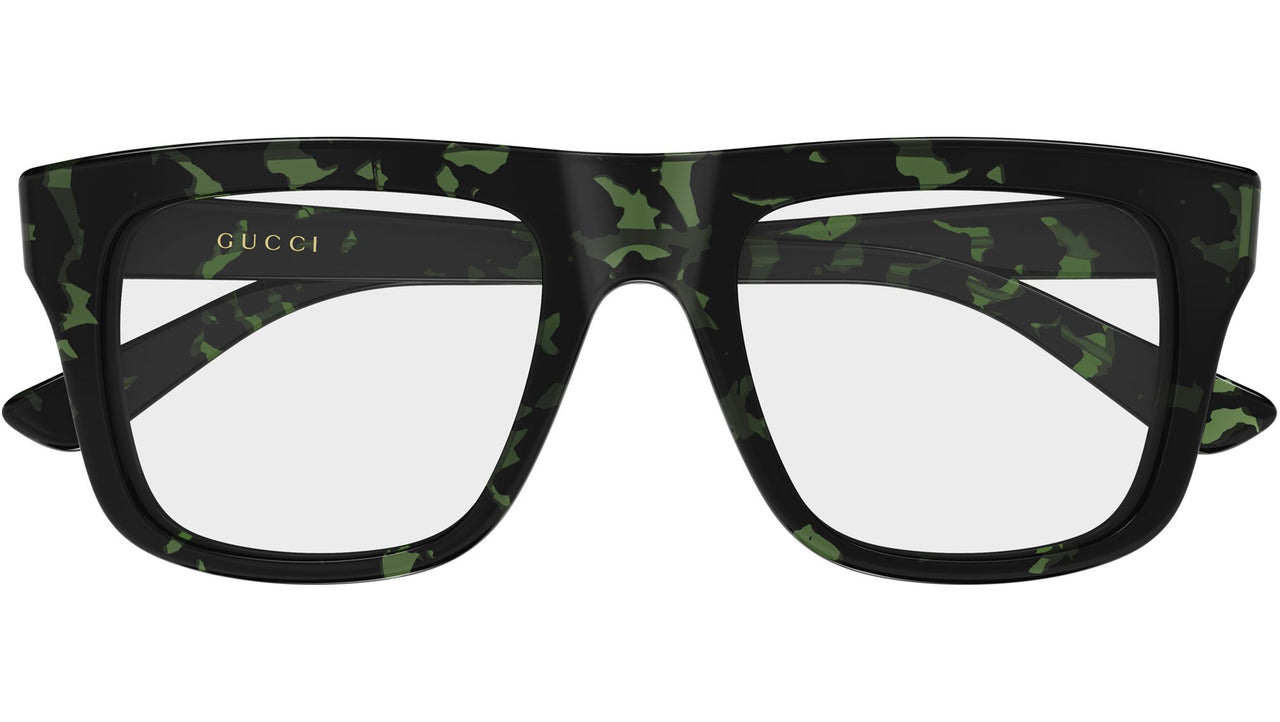
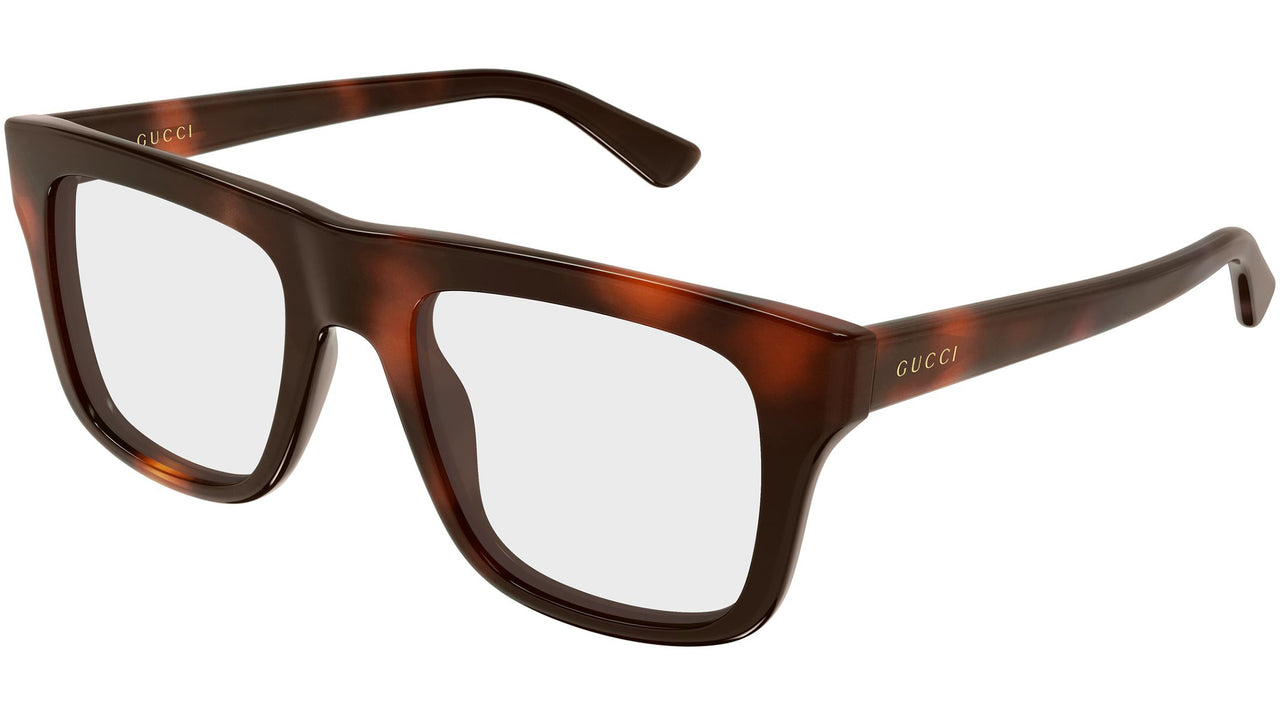
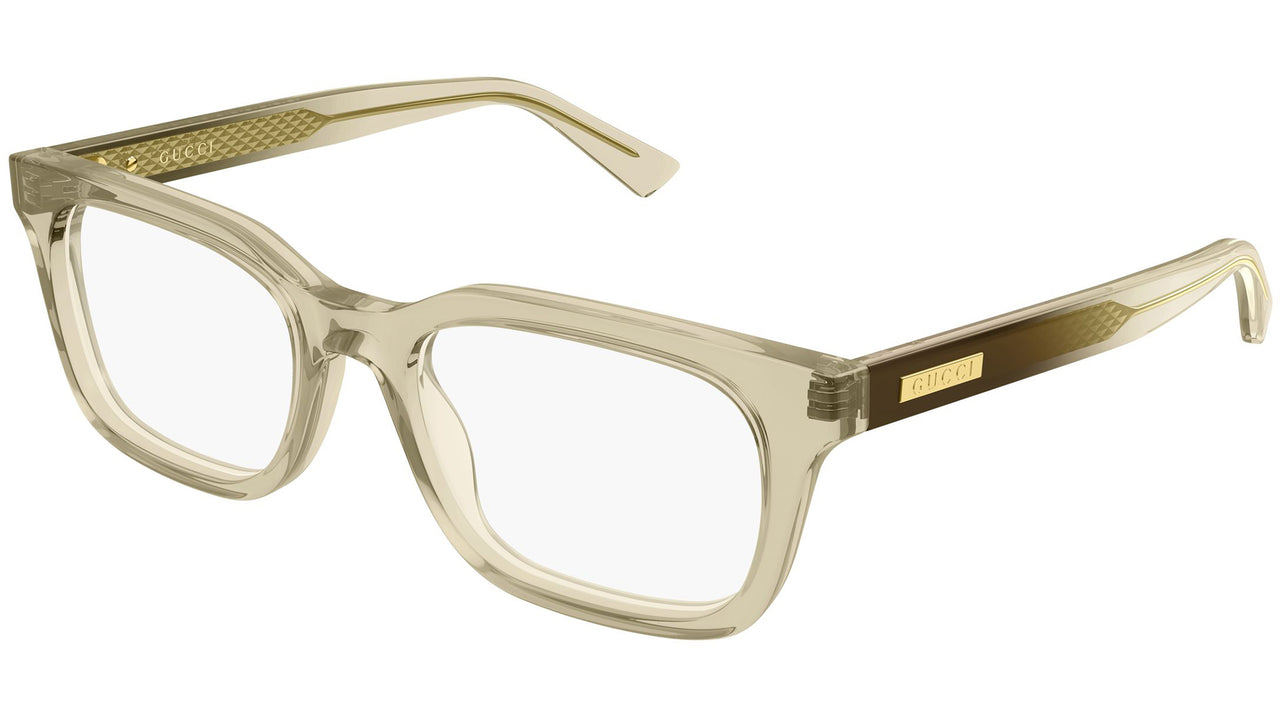
Within Gucci’s eyewear offering, rectangular frames present a particularly versatile expression of the House. Their defined lines give the face structure, while variations in depth, thickness and proportion create different moods, from restrained to assertive.
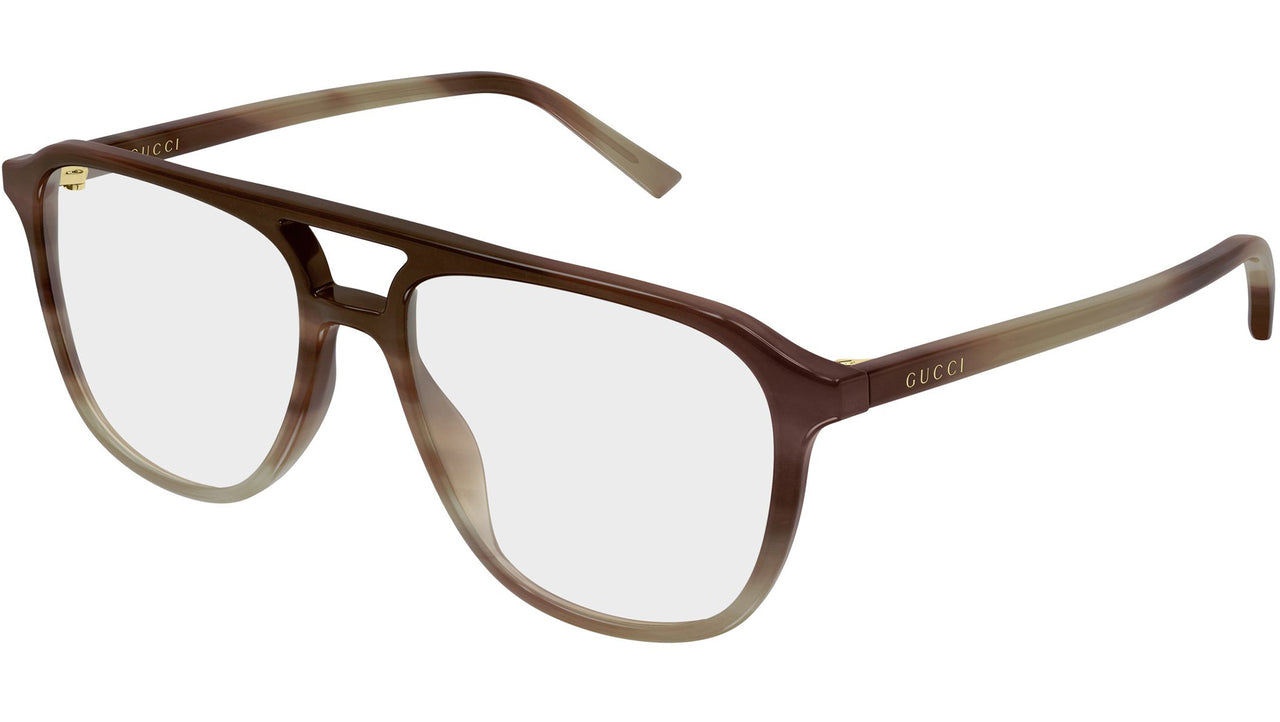
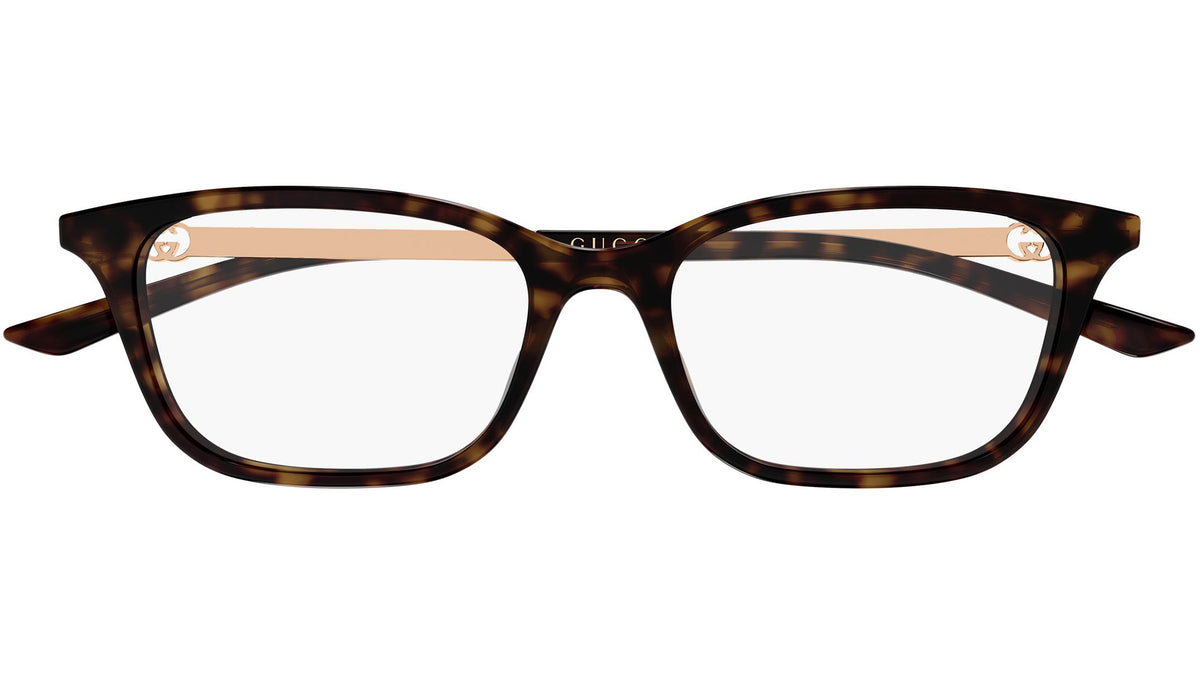
In the selection, glossy finishes, tortoiseshell tones and black frames bring those shapes into focus. Black emphasises the outline; tortoiseshell introduces warmth and tonal variation; polished surfaces catch the light and reveal the contours.
The rectangular silhouette works naturally with both tailored clothing and a more relaxed wardrobe. A slimmer profile offers a subtle accent, while a more substantial frame gives greater presence. The choice becomes a matter of how you want your eyewear to sit within your personal style.
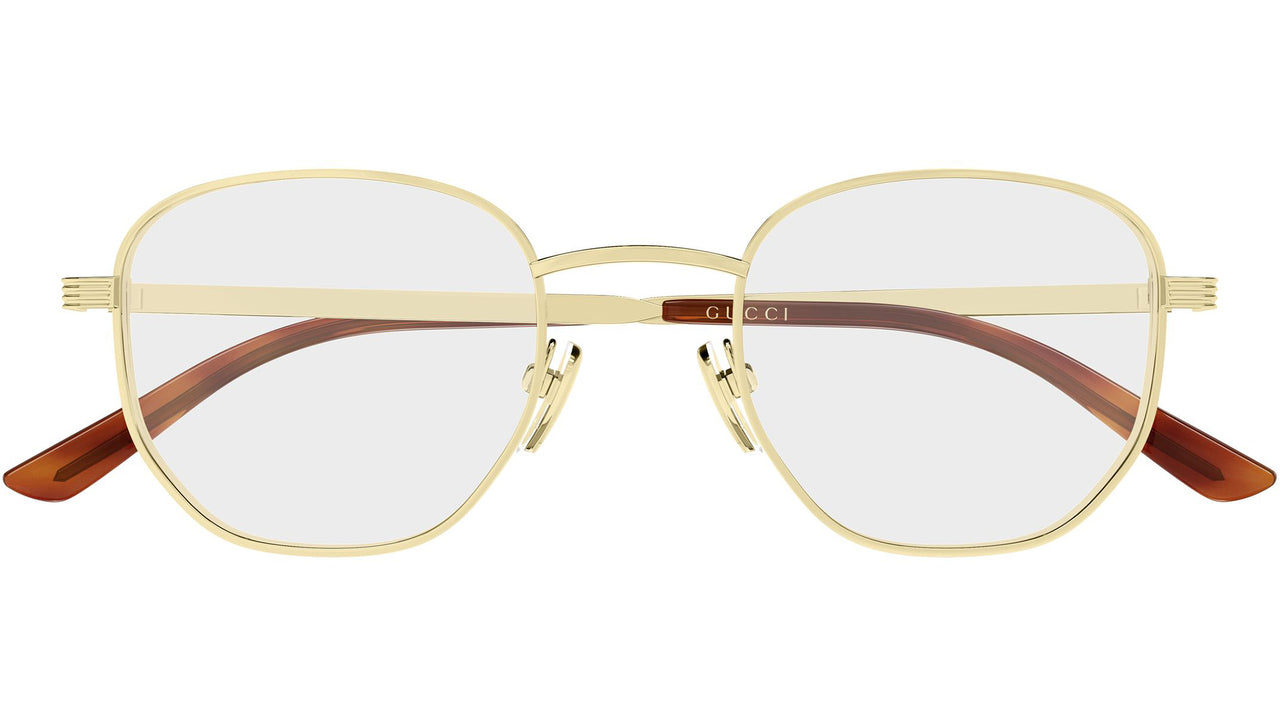
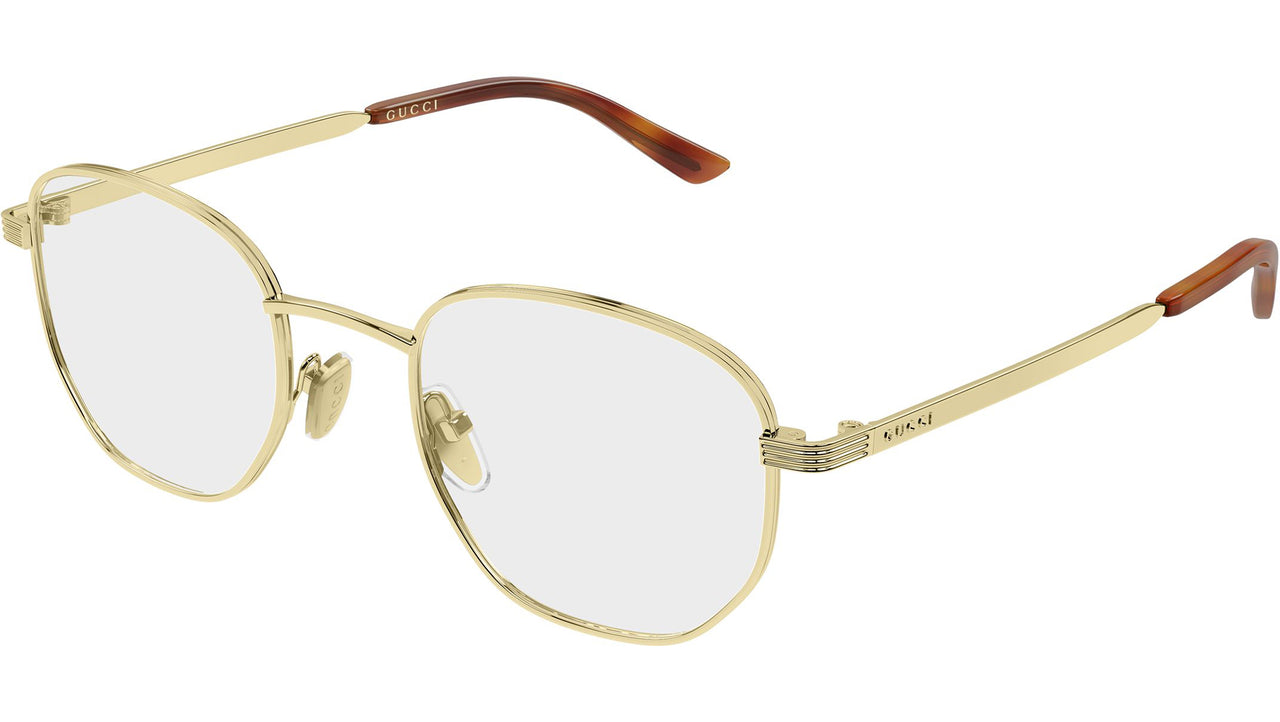
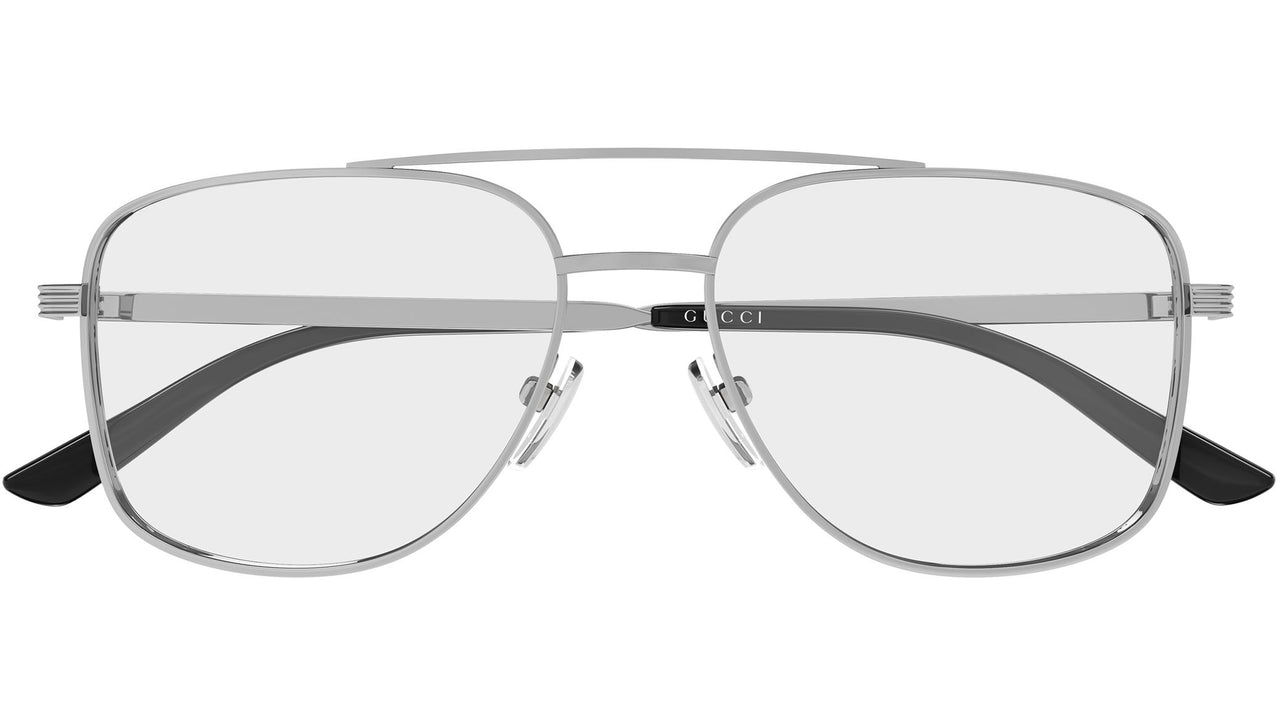
Gucci’s signatures complete the design. Depending on the model, a logo or temple detail may provide a discreet finishing touch or a more prominent point of recognition.
The appeal lies in finding the balance that feels right for you: a familiar shape, a distinctive detail and a proportion that brings the whole frame together.