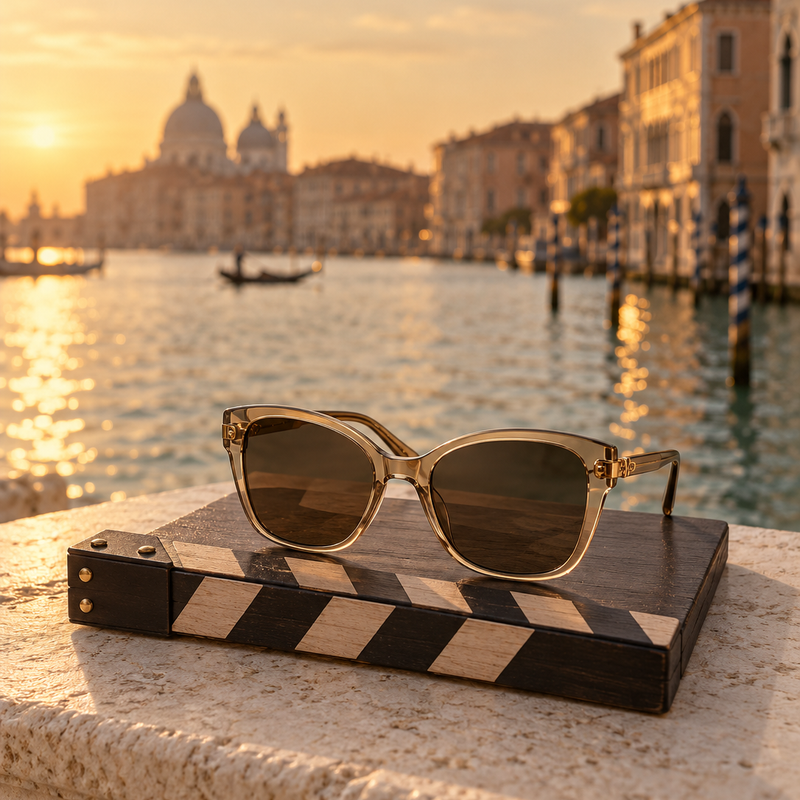

August it's the month of moving from the boat to the beach, from the waterfront to an evening aperitivo often within the same day. Every setting carries its own kind of reflection: shimmering water, heat-hazed asphalt, storefront glass throwing back the afternoon sun.
In this context polarized lenses aren't a technical accessory reserved for watersport enthusiasts. It's in this everyday, often underestimated phenomenon that the real reason for polarized lenses lies.
What Glare Actually Is
When sunlight hits a horizontal surface (the sea, a wet road, the hood of a car) it reflects in an ordered way, almost entirely on the same plane. This concentrated, uniform beam of reflected light is what we call glare: not simply an excess of light, but a specific, predictable beam and therefore one that can be filtered.
Traditional sunglasses reduce the total amount of light reaching the eye, uniformly. Polarized lenses do something more targeted: they selectively block that horizontal beam, letting through only the light that's actually useful for vision. The result isn't simply a darker view but it's a sharper one. Higher contrast, truer colors, more legible depth.
Maui Jim: Born From the Island Light
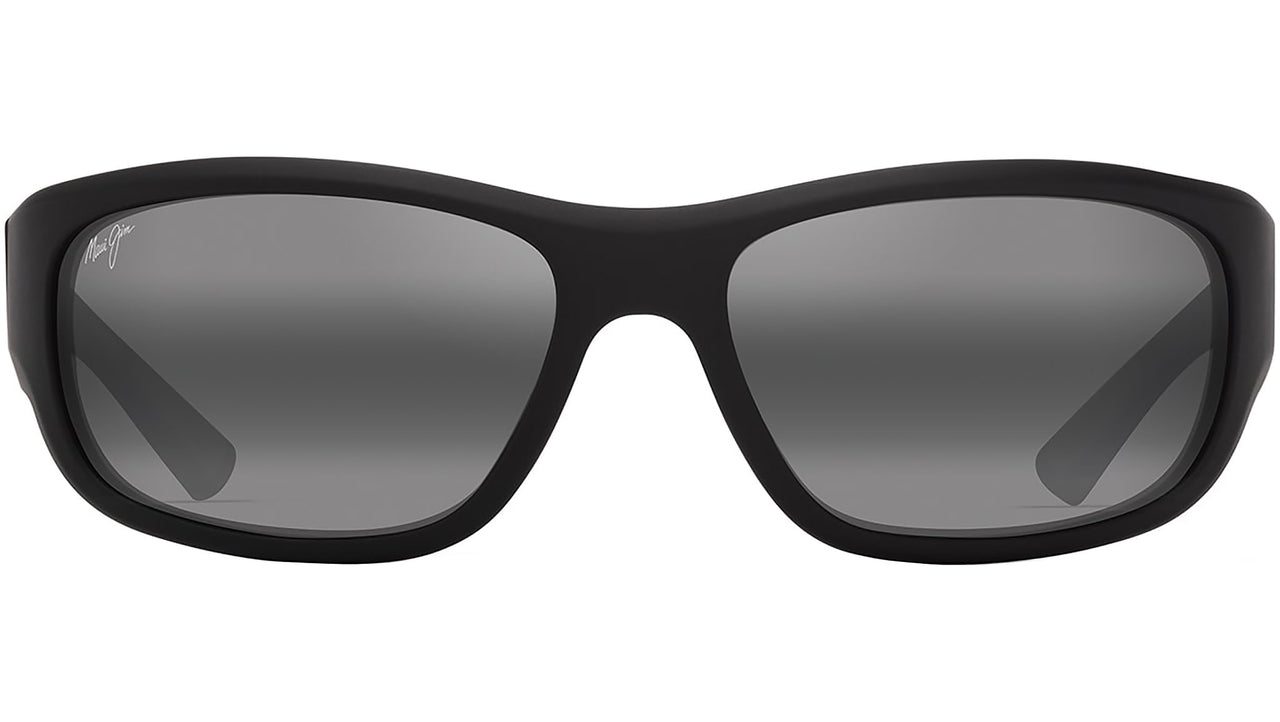
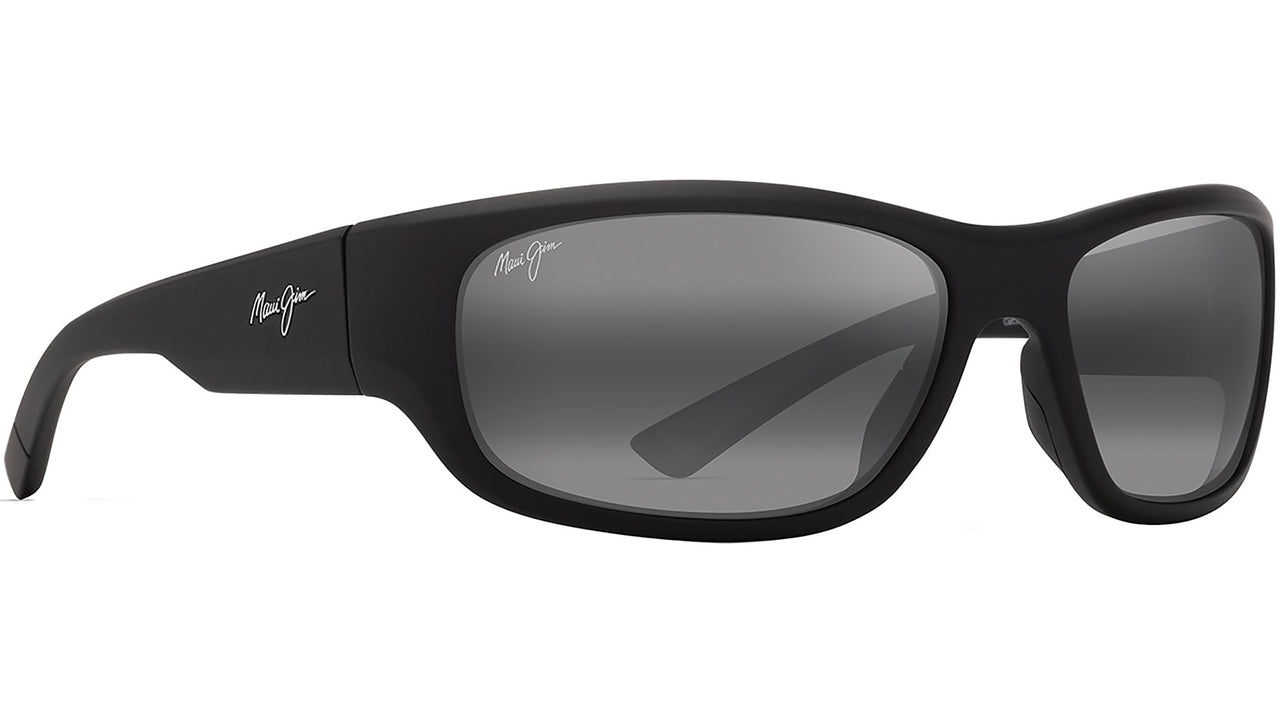
Few brands understand polarization as intimately as Maui Jim, a company that built its entire identity around the specific, unforgiving light of the Hawaiian coastline. Its lenses aren't an added feature, they're the starting point of every design. The Ho'okipa Ultra 676 02 takes its name from one of Maui's most iconic surf breaks, built for exactly the kind of glare-heavy, high-glare conditions that define a day on or near the water. The Maukele 682 02 offers the same optical philosophy in a more understated, everyday shape, ideal for anyone who wants island-grade clarity without an overtly sporty look. The Palulu 680 02 rounds out the selection with a refined, contemporary frame that carries Maui Jim's signature color and contrast enhancement into more urban, versatile territory.
Oakley: Polarization as Performance Engineering
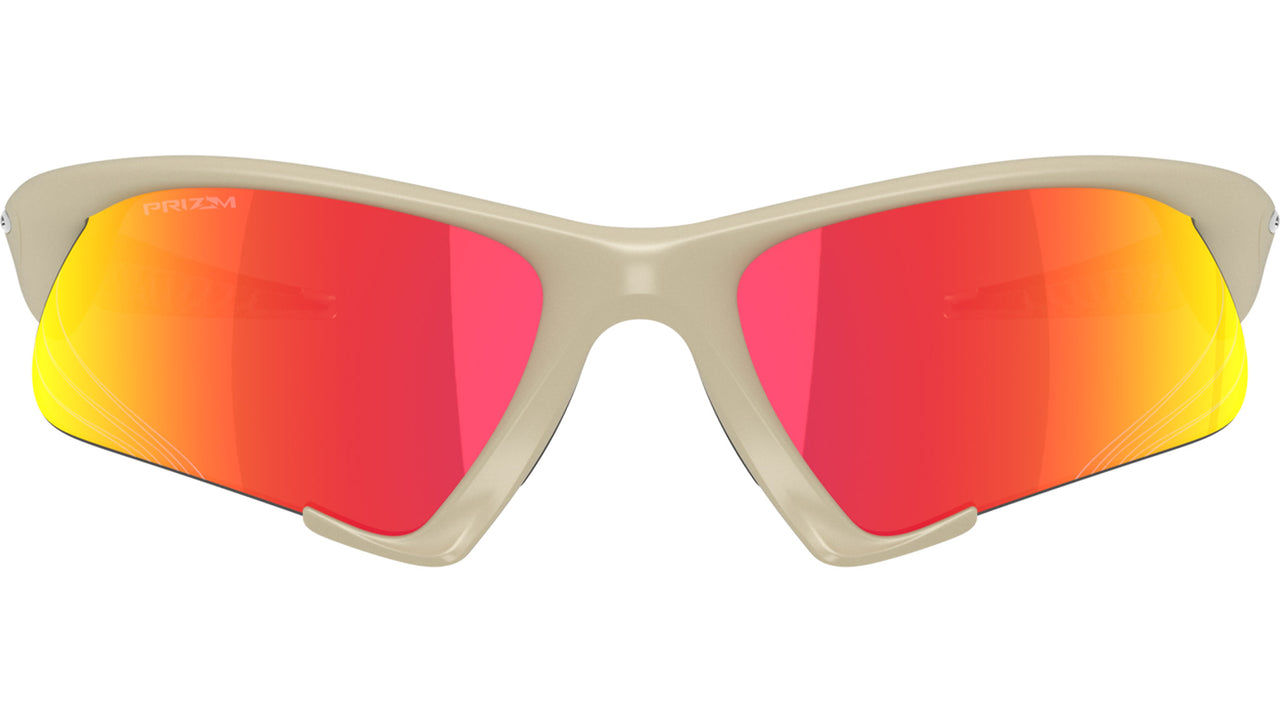
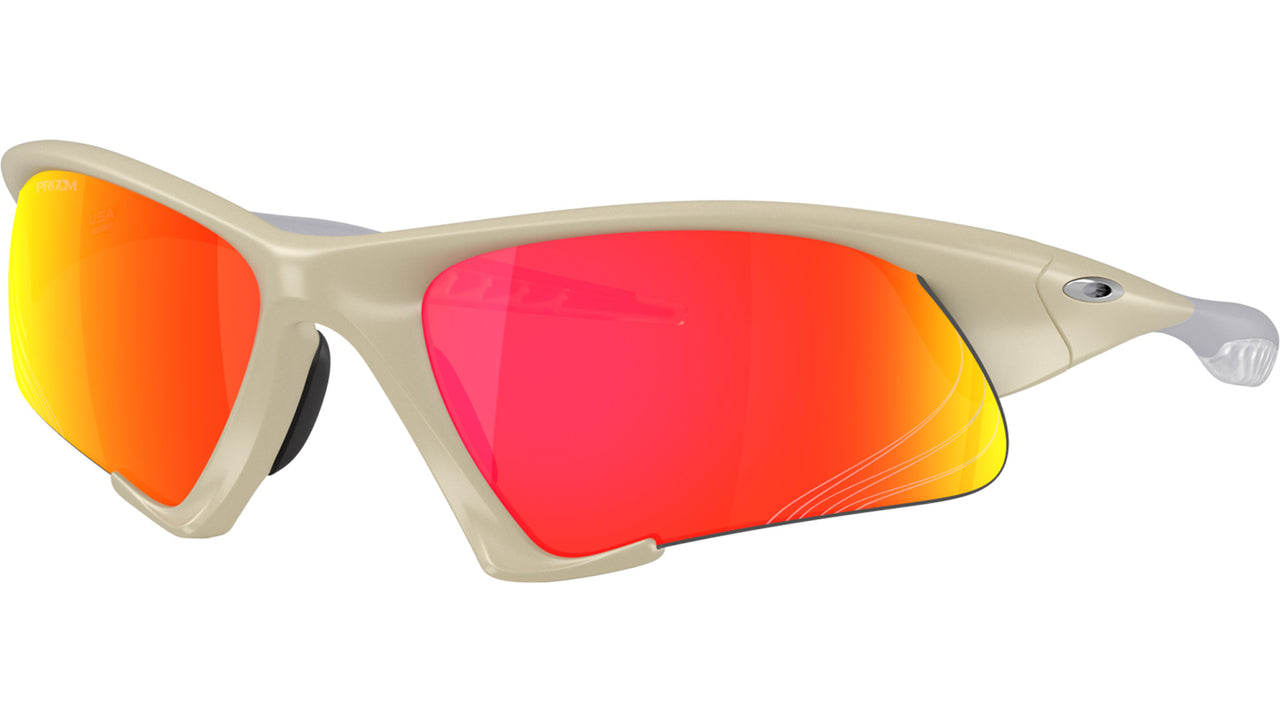
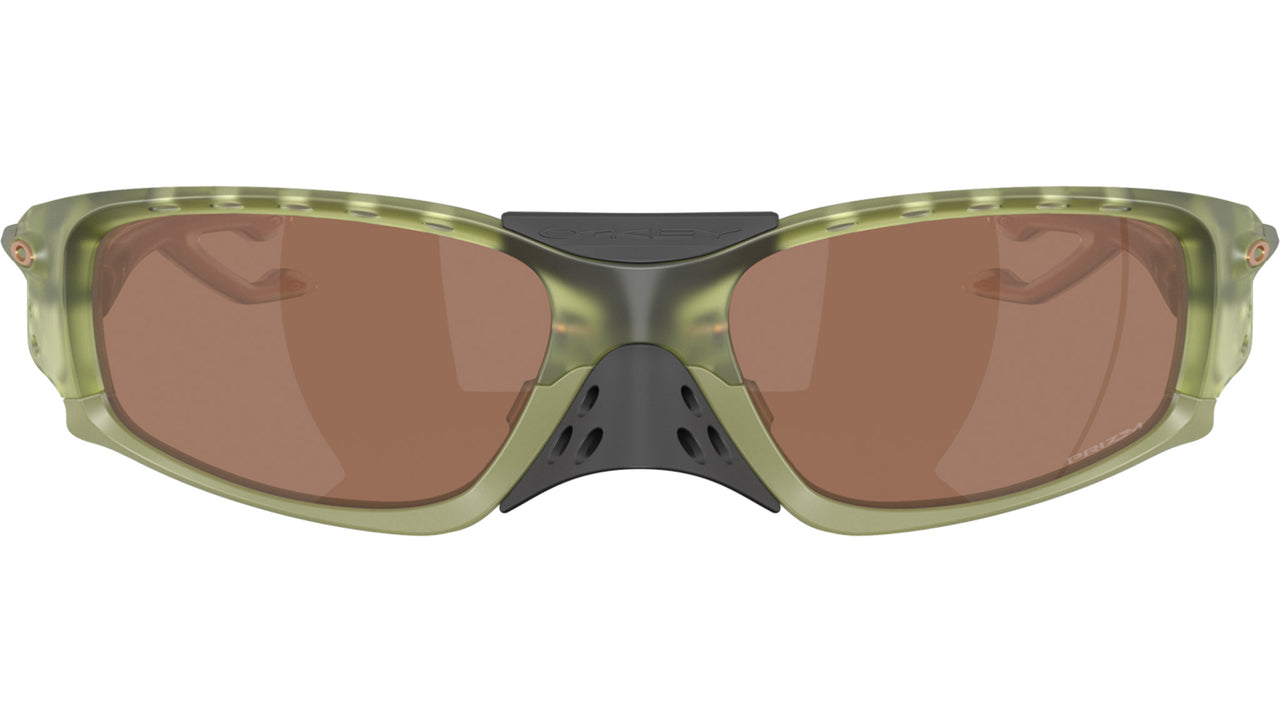
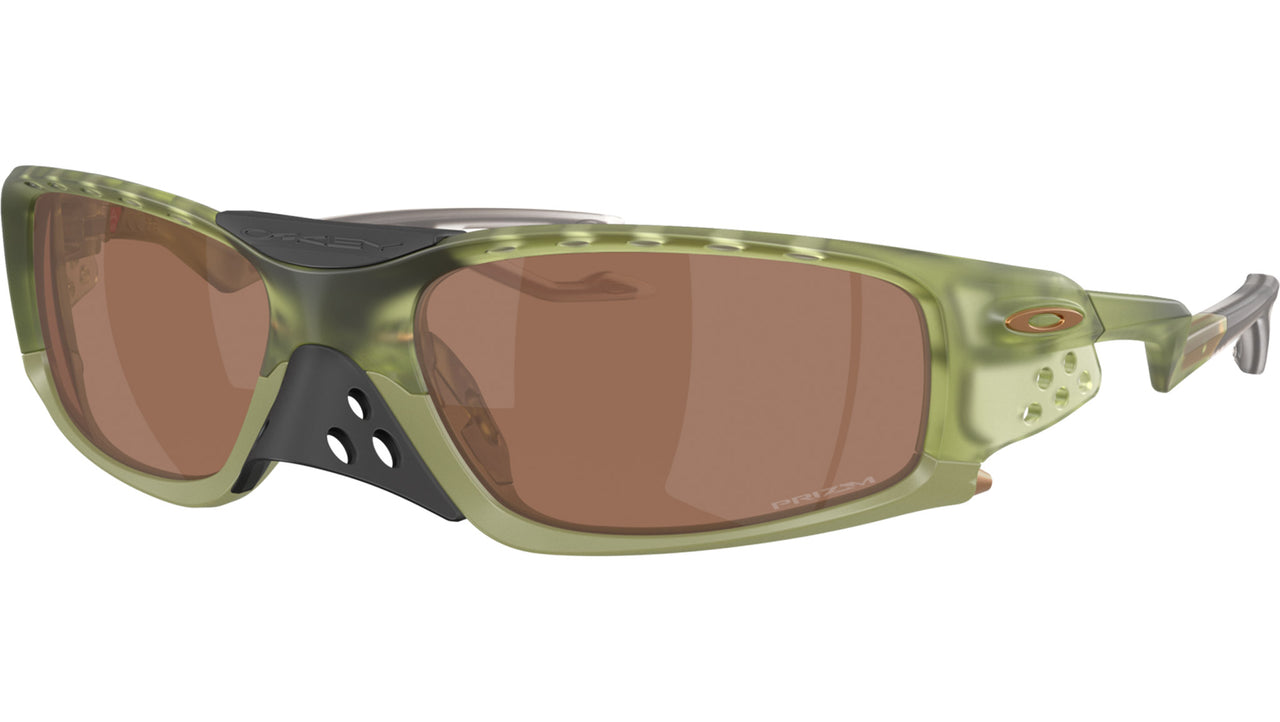
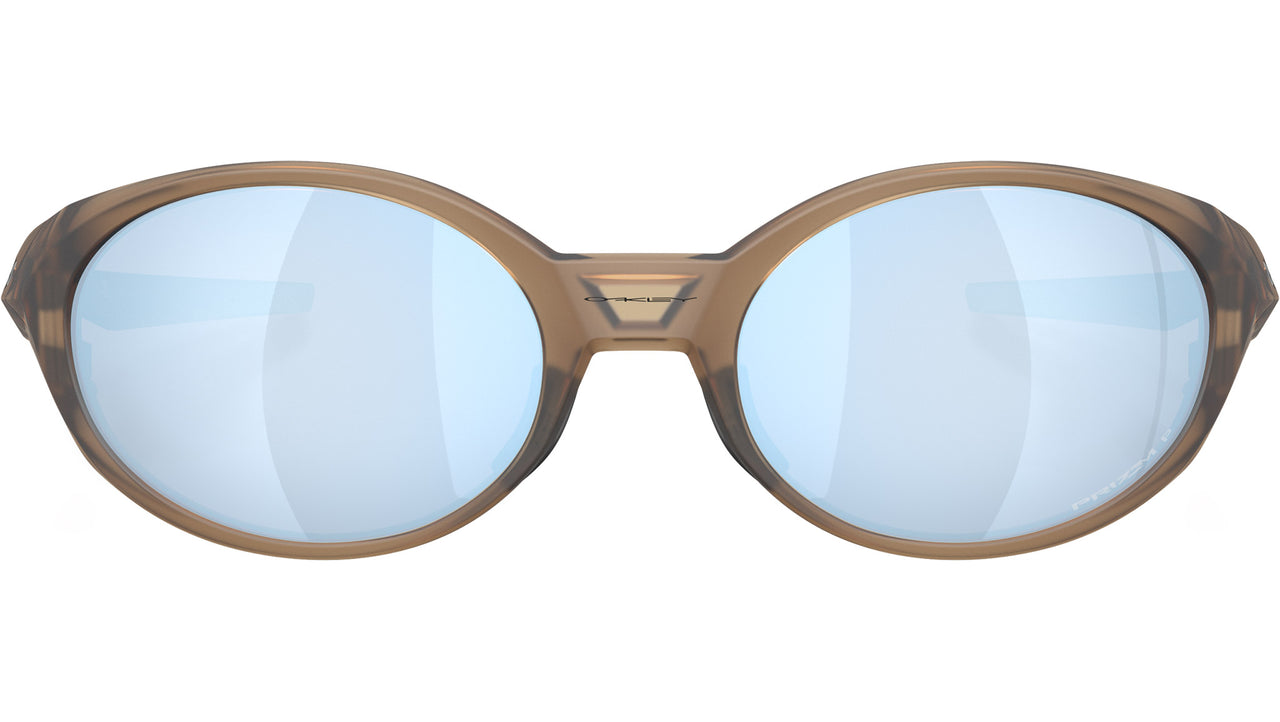
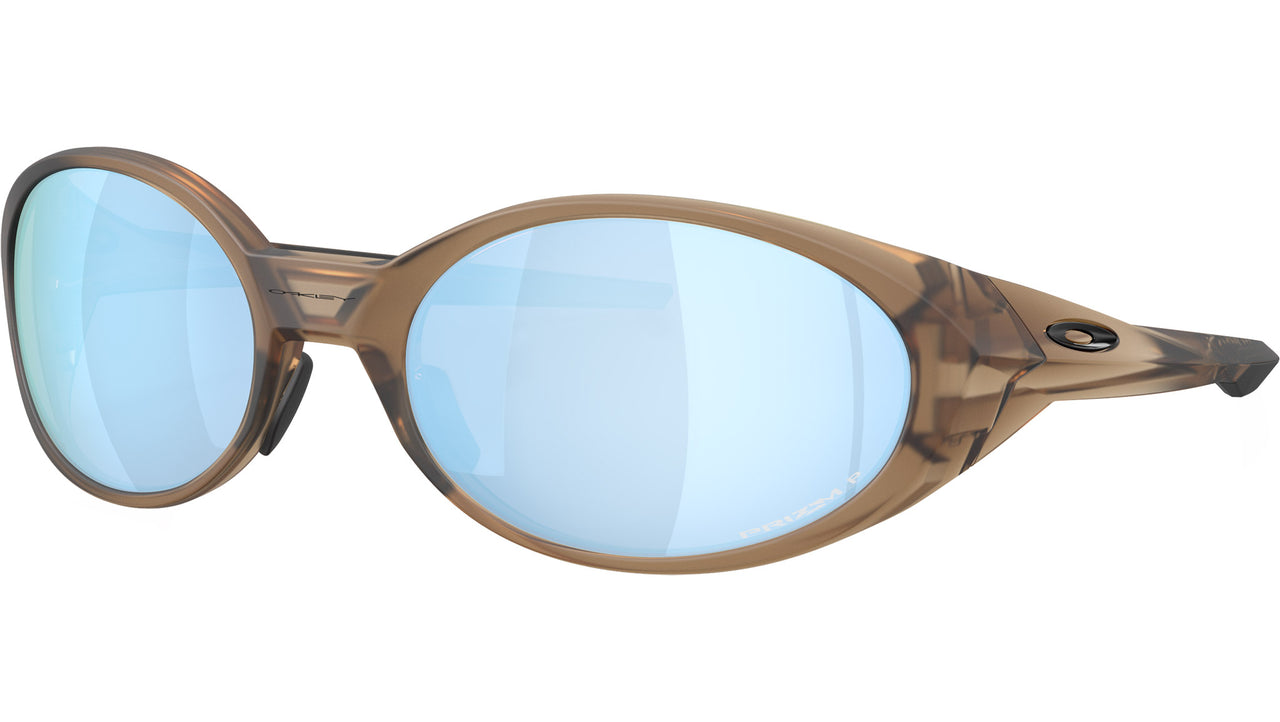
Oakley approaches polarized eyewear the way it approaches everything else: as an engineering problem to be solved. Its Prizm lens technology doesn't just filter glare but it tunes light wavelengths to the specific environment it's built for, sharpening the details that matter most in each condition. The Suture Jacket OO9532 07 channels that precision into a sleek, wraparound silhouette, built for high-glare days that call for both coverage and edge. The Plantaris SQ OO9529 04 takes a more understated approach, its muted lens tone suited to shifting light between shade and full sun. The Eyejacket Redux OO9438 45 is purpose-built for time on the water, its lens tint engineered specifically to enhance contrast against the blue spectrum of sea and sky: a reminder that, for Oakley, polarization is never a generic feature, but a variable to be calibrated.
Ray-Ban: Icons Reengineered for Clarity
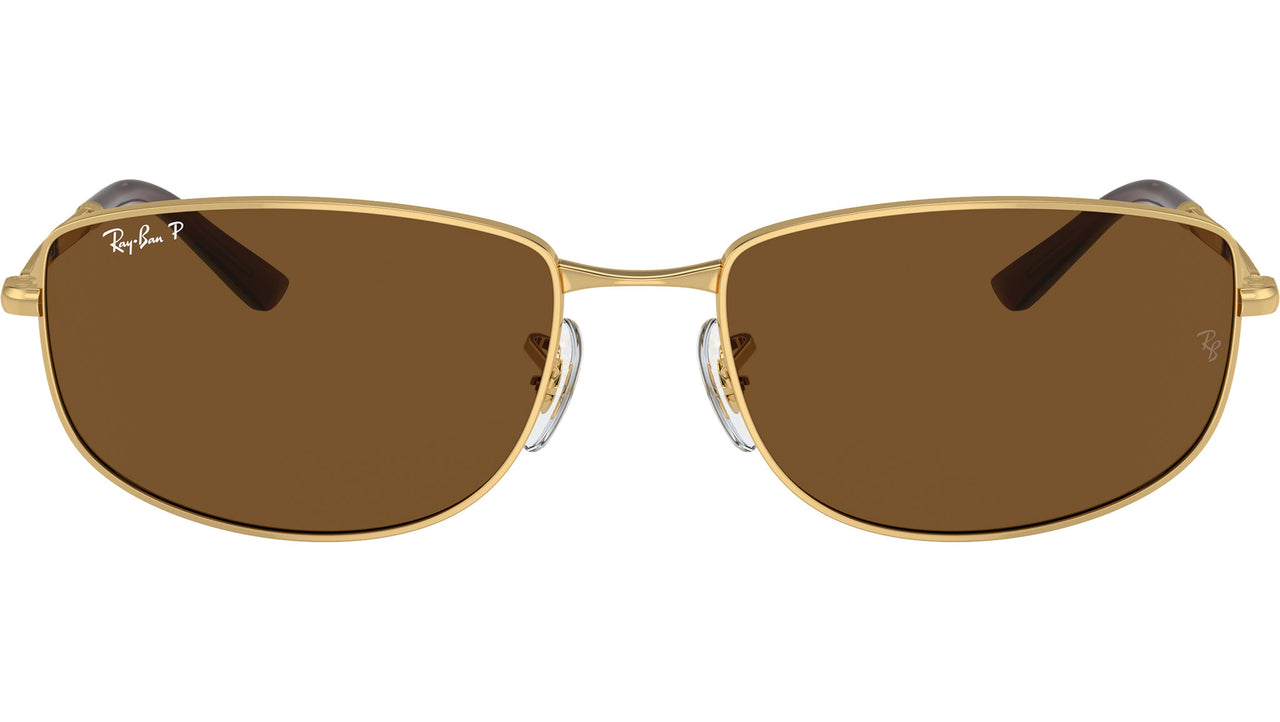
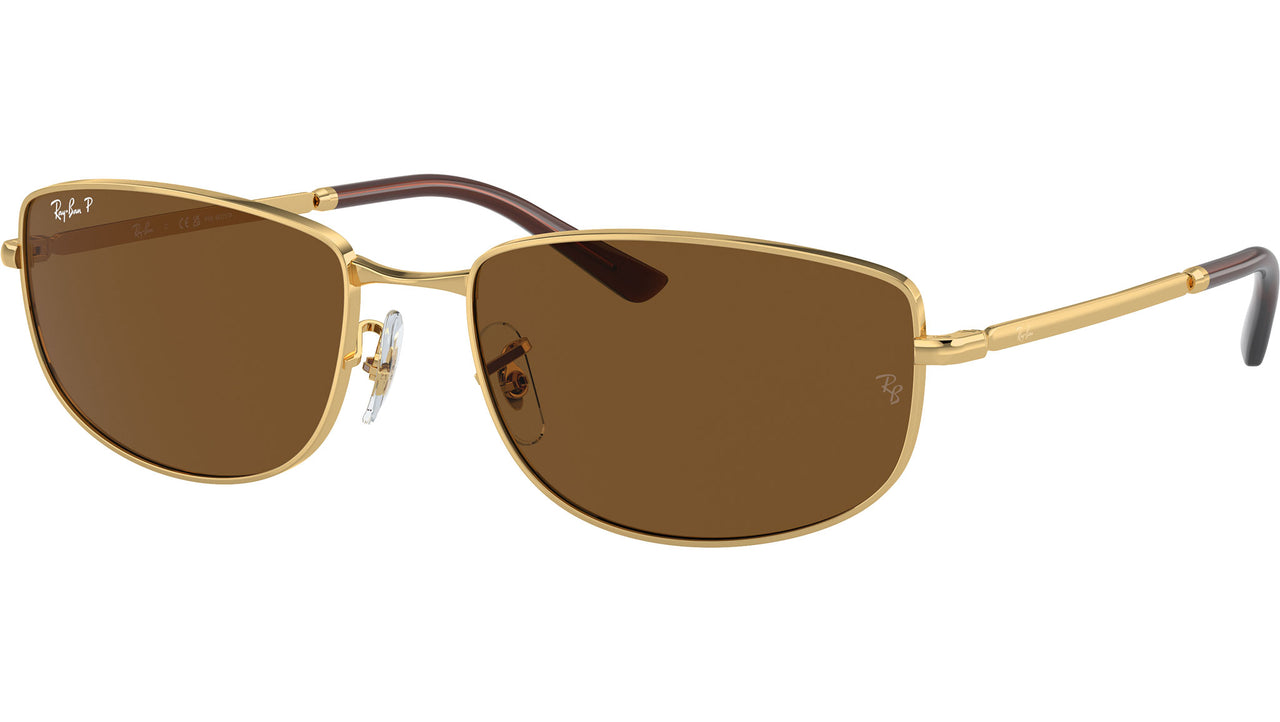
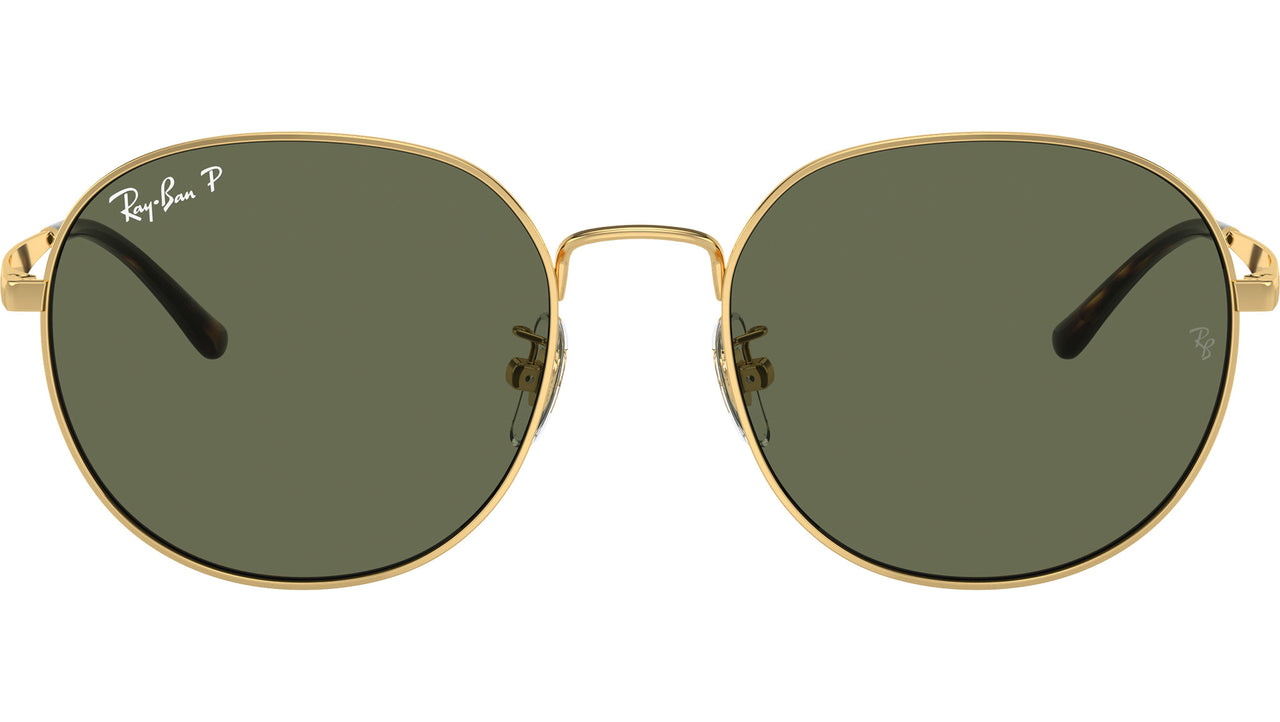
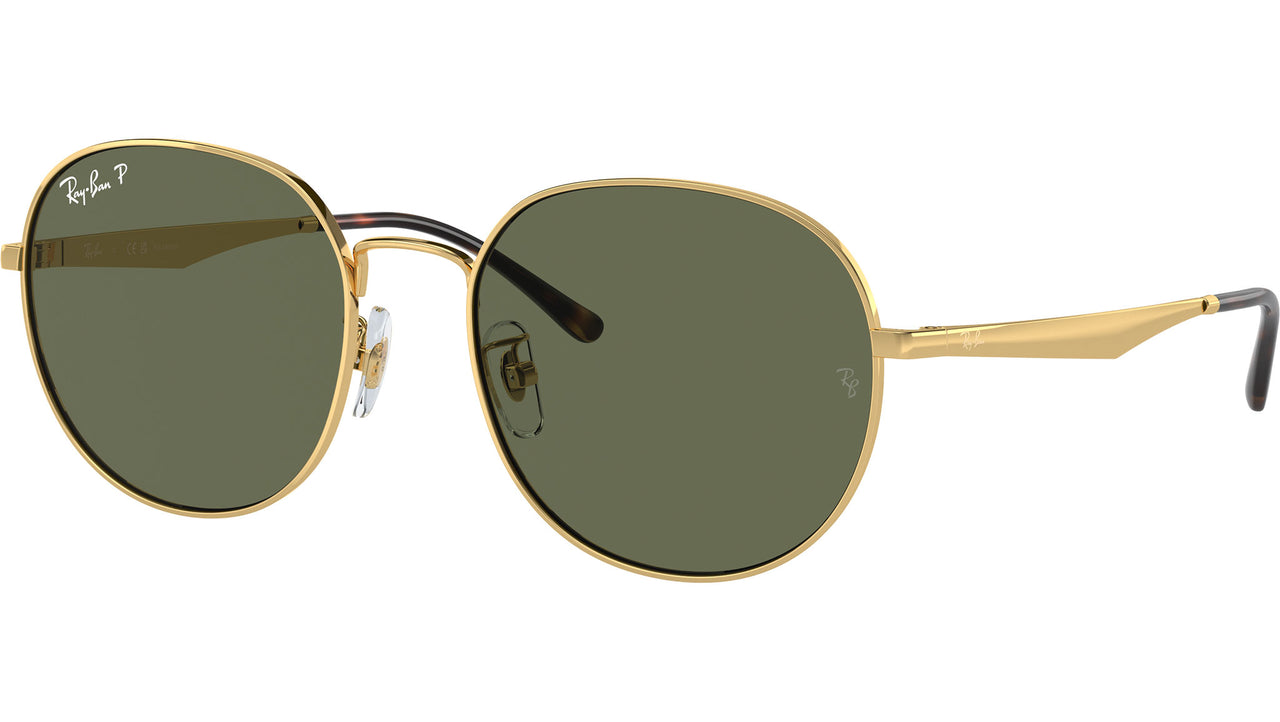
Few names carry the weight of Ray-Ban when it comes to eyewear that moves fluidly between function and cultural icon. Its polarized aviators and wayfarers prove that a design language born decades ago can absorb new technology without losing an ounce of identity. The Ray-Ban RB3732 001/57 brings polarization to a modern aviator silhouette, sharp and versatile enough for both the marina and the city street. The Ray-Ban RB3727D 001/9A follows a similar spirit, pairing a refined metal frame with the same reflection-cutting clarity. For a bolder, more graphic statement, the Ray-Ban RB2210 901/31 brings polarized performance to a rounder, more architectural shape: proof that protection and personality were never mutually exclusive.
What to Look for in a Good Polarized Lens
Not all polarized lenses are created equally. The quality of the filter, the degree of polarization, and how it's paired with anti-reflective or photochromic treatments all make a substantial difference in visual performance, especially in extreme conditions, like direct light bouncing off water at midday.
A good polarized filter should deliver distortion-free vision, natural color rendering, and full UV protection: polarization addresses reflection, not ultraviolet exposure, which remains a separate and essential requirement.
August calls for eyewear capable of adapting to light that never stops changing shape, and polarized lenses answer that need precisely: they don't reduce light, they make it legible.